Consistent color performance is a core competitive advantage for modern manufacturing. Uncontrolled batch‑to‑batch color deviation triggers high costs: scrapped batches, rework expenses, customer complaints, delayed shipments and damaged brand reputation across paint, textile, plastic, automotive and packaging sectors.
Visual assessment heavily depends on inspector experience, ambient workshop lighting, eye fatigue and personal colour perception, making it impossible to build unified, repeatable quality standards for multi‑factory global supply chains.
A professional color meter (British spelling: colour meter) converts subjective colour perception into objective numerical datasets. It empowers quality teams to implement traceable, data‑driven colour quality control throughout incoming‑material inspection, in‑line production QC, laboratory R&D and finished‑goods release.
3nh is a trusted global manufacturer of industrial‑grade colorimeters and spectrophotometers. Backed by decades‑long in‑house optical R&D, rigorous production calibration and worldwide after‑sales support, we deliver robust, accurate and cost‑effective colour‑measurement hardware plus complete colour‑management software packages. Our product portfolio covers compact handheld units for floor‑side spot‑checks up to high‑precision benchtop spectrophotometers dedicated to R&D and colour formula development for global manufacturers across more than 80 countries.
Whether you run a small‑scale processing plant, medium‑sized dyeing mill or multinational OEM component supplier, 3nh can match suitable instruments aligned with your sample types, tolerance requirements and budget range.
What Is a Color Meter / Colour Meter?
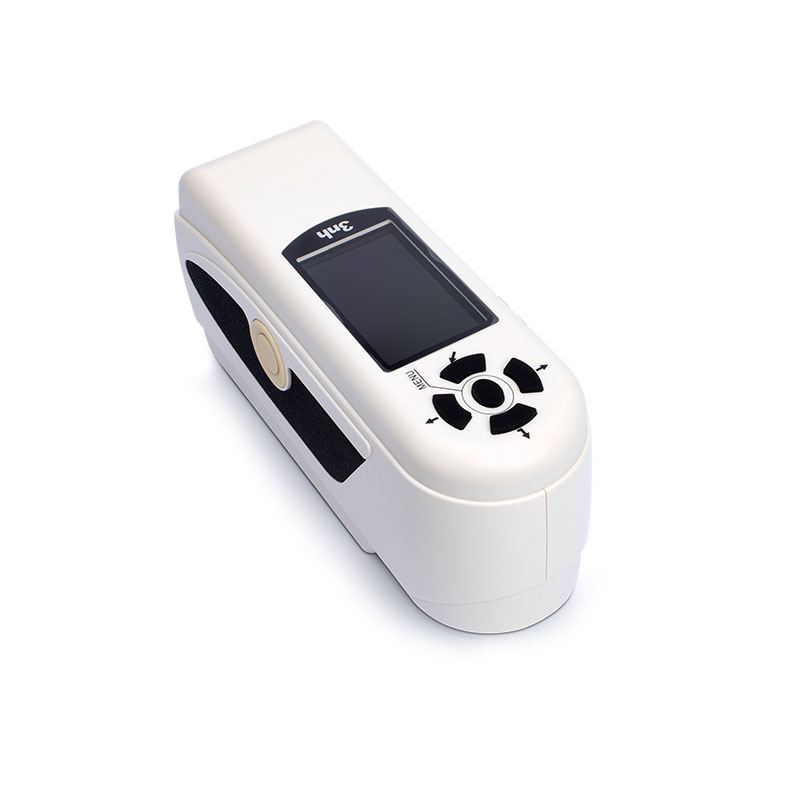
A color meter (colour meter) is a precision optical instrument that captures, quantifies and compares object surface colour. It outputs internationally‑recognised datasets including CIE L*a*b*, ΔE (Delta E), XYZ, LCH, whiteness and yellowness indices. QC operators can judge pass‑or‑fail status objectively instead of relying on human eyesight alone.
Within the 3nh product portfolio, two major product families serve distinct production scenarios:
Colorimeter (Basic Color Meter)
Filter‑based tristimulus instruments optimised for fast, routine production‑floor QC. Featuring intuitive operation and competitive pricing, they excel at batch‑vs‑standard colour comparison for flat, uniform samples.
Best‑fit scenarios: General‑grade textiles, solid‑colour plastic components, conventional architectural coatings, incoming material spot inspection.
Limitation: No full‑spectral output; cannot identify metamerism effects. Not recommended for metallic, pearlescent, fluorescent or high‑tolerance automotive finishing requirements.
Spectrophotometer (Advanced Colour Meter)
Grating‑based spectrophotometers capture full‑wavelength spectral reflectance curves, regarded as the “colour DNA fingerprint” of physical samples. They detect metamerism, support complex colour formulation, and handle challenging effect‑pigment materials.
Best‑fit scenarios: Automotive metallic paint, pearlescent coatings, fluorescent textiles, premium printing & packaging, cosmetic raw‑material testing, laboratory colour R&D and third‑party laboratory certification work.
Most 3nh instruments adopt mainstream CIE‑compliant D/8 integrating‑sphere geometry with switchable SCI / SCE modes; selected models support 45/0 geometry. Consistent optical standards guarantee data interoperability between your plant, external suppliers and overseas customers.
Industries That Use 3nh Color Meter / Colour Meter
3nh colour measurement instruments are widely deployed across global manufacturing sectors to resolve real‑world colour‑control challenges:
Paint, coating & ink: Batch colour matching, raw pigment verification, wet‑to‑dry colour shift inspection for architectural, industrial, powder and metallic coatings
Textile, fabric & leather: Dyeing batch‑difference monitoring, colour‑fastness testing before/after washing, whiteness inspection for home textiles, denim shade evaluation
Plastic, rubber & electronic housings: Injection‑molding colour stability; colour control for recycled plastic containing optical brightening agents
Printing & packaging: Brand‑colour consistency validation for labels, cartons and flexible packaging
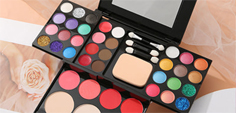
Food & cosmetics: Visual‑quality grading for pressed powders, lipsticks, emulsions and solid cosmetic substrates
Furniture & wood veneer: Natural‑wood surface shade matching for veneer panels and finished furniture
Automotive components & interior trim: Strict colour‑tolerance verification for bumpers, door handles, plastic trims and painted metal parts; cross‑material colour matching between metal body panels and polymer accessories
Key Benefits of Choosing 3nh Color Meter / Colour Meter
✅ Stable accuracy & outstanding inter‑instrument agreement
Tight ΔE repeatability guarantees consistent readings across multiple devices and different operators, eliminating deviation caused by instrument hardware differences for multi‑site group production.
✅ Complete hardware portfolio: handheld and benchtop models
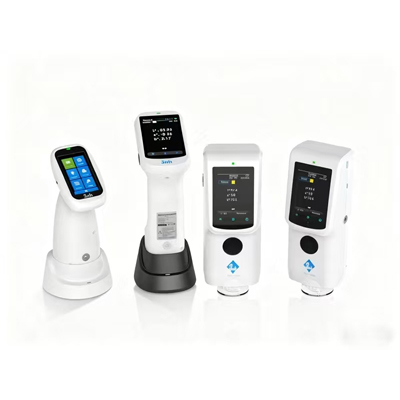
Lightweight portable colour meters support flexible on‑site inspection directly on production lines; high‑performance benchtop spectrophotometers serve laboratories for R&D, formula analysis and reference‑standard establishment.
✅ Powerful supporting PeColor colour‑management software
Store physical or digital colour standards, save measurement logs, export PDF audit‑ready QC reports, build searchable colour libraries and track full batch history to achieve end‑to‑end traceable quality management. Bluetooth and USB data transfer streamline data export to PCs. Optional enterprise‑level modules support multi‑user collaborative colour‑library management.
✅ Multiple interchangeable measuring apertures
Different aperture sizes accommodate large swatches, tiny injection‑molded parts, curved profiles, yarn bundles and granular powder samples. Avoid measurement error caused by mismatched sample‑aperture size.
✅ Robust industrial‑grade mechanical design & user‑friendly calibration workflow
Shock‑resistant housing adapts noisy, dusty workshop environments. One‑touch automatic calibration against the matched white reference tile lowers operator learning costs.
✅ Compliant with international standards & global technical support
Measurement algorithms align with ISO, AATCC and ASTM standards to satisfy supplier audit requirements. Our global technical team delivers instrument operation guidance, sample‑testing consultation and remote troubleshooting for overseas clients.
Color Meter Cost: Complete Budget Guide
Procuring an industrial colour meter is a strategic quality‑control investment rather than a simple hardware purchase. Market prices vary dramatically from low‑performance consumer‑grade sensors to high‑end laboratory spectrophotometer platforms. Many buyers only compare upfront purchase prices while overlooking critical factors: optical‑geometry configuration, measurement repeatability, software capability, accessory kits, calibration cycles, warranty terms and overall total‑cost‑of‑ownership (TCO).
Understanding price‑tier characteristics helps manufacturers avoid two common pitfalls: over‑investing in over‑specified instruments for simple QC tasks, or purchasing low‑spec hardware that cannot satisfy production tolerance and leads to heavy hidden losses from defective batches.
Below is the tiered budget overview for brand‑new industrial‑grade 3nh instruments (USD, excluding tax, freight and optional calibration certification documents).
1. Entry‑Level Portable Colour Meters: $300 – $1,000
Best for: Basic on‑site spot‑check QC, simple batch‑to‑batch comparison, small‑factory floor inspection, non‑critical visual pass‑fail judgement.
Compact handheld form factor, fundamental D/8 optical geometry
Output core CIE L*a*b* and ΔE colour‑difference values
Limited‑size measuring aperture, basic onboard data storage
Entry‑level PC software supporting simple data export
Suitable for flat, homogeneous samples: general‑purpose plastics, plain paint panels, solid‑colour woven fabrics
Limitations:
‑ Not suitable for metallic, pearlescent, fluorescent, heavily textured or granular specimens
‑ No full‑spectral dataset; cannot detect metamerism risks
‑ Insufficient precision for high‑spec export‑oriented manufacturing
3nh representative solution: NR‑series handheld colorimeters for routine production‑floor quality screening.
2. Mid‑Range Industrial Colorimeters & Basic Spectrophotometers: $1,000 – $5,000
Best for: Conventional textile dye houses, paint & coating manufacturers, printing & packaging factories, incoming raw‑material QC and daily laboratory testing work.
Typical features:
‑ Excellent measurement repeatability (ΔE*ab ≤0.02)
‑ D/8 integrating sphere with switchable SCI / SCE surface‑component modes
‑ Multiple interchangeable measuring apertures for small, curved and textured workpieces
‑ Full‑set colour‑space outputs: L*a*b*, LCH, ΔE CMC, whiteness / yellowness indices
‑ Full‑feature PeColor colour‑management software: save reference standards, generate PDF QC reports, build shared colour libraries
‑ Durable industrial construction; stable inter‑instrument consistency supporting multi‑site factory deployment
Limitations:
‑ Mid‑range grating spectrophotometers handle most regular industrial workflows, but advanced automatic colour‑formula calculation functions remain limited.
3nh representative solution: CR‑series portable spectrophotometers widely used within textile, paint and coating quality‑control departments.
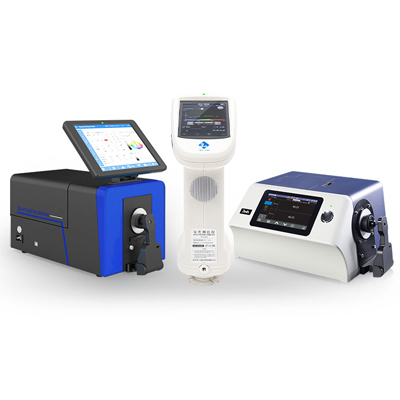
3. High‑End Benchtop Spectrophotometers: $5,000 – $15,000+
Best for: Corporate R&D laboratories, automotive metallic‑paint formulation, high‑grade export textile production, fluorescent‑material inspection, dye & paint colour‑formula development and third‑party independent testing laboratories.
Typical features:
‑ Capture complete spectral‑reflectance curves for reliable metamerism detection
‑ Optional UV‑Included / UV‑Cut switching module for textiles and coatings containing fluorescent whitening agents
‑ Advanced formula‑matching software for dye and paint recipe simulation and calculation
‑ Ultra‑tight repeatability and inter‑instrument consistency serving complex global supply‑chains
‑ Built‑in compliance with AATCC, ASTM and ISO standards to produce audit‑ready documentation
3nh representative solution: TS / YS‑series benchtop grating spectrophotometers for high‑precision lab‑grade colour analysis.
Refurbished / Used Colour Meters
Refurbished industrial colour meters may cut upfront capital expenditure by 30‑50%. However buyers must thoroughly verify calibration status, remaining valid warranty, spare‑part availability and software‑licence legitimacy. Second‑hand units are not recommended for export‑critical regulated production unless fully inspected, recalibrated and certified by the original manufacturer’s official service team.
Key Factors That Determine Colour Meter Price
Measurement Geometry & Optical System
D/8 integrating‑sphere instruments supporting SCI/SCE switching carry higher cost than simple 45/0 geometry devices. Integrating‑sphere optical architecture is essential for textured textiles, metallic paints and rough granular materials.
Measurement Precision & Repeatability
Stricter ΔE repeatability requirements demand higher‑grade optical sensors and light sources, raising hardware costs. Factories manufacturing high‑spec export goods cannot rely on consumer‑grade low‑precision sensors.
Measuring Aperture Sizes
Multiple interchangeable apertures add hardware expense yet deliver reliable measurement performance for yarn bundles, miniature injection‑molded components, large fabric swatches and powder samples.
Spectrophotometer vs Basic Colorimeter
Colorimeter (tristimulus filter type): Lower price, fit for straightforward ΔE comparison tasks.
Spectrophotometer (grating‑based): Higher investment; captures full spectral curves, identifies metamerism and becomes mandatory for automotive, fluorescent and high‑end coating applications.
Software Functions
Fundamental PeColor colour‑management software comes free‑of‑charge with most 3nh instruments. Advanced formula‑calculation modules, compliance‑oriented reporting or enterprise multi‑user colour‑library systems require extra licensing fees.
Special‑function Hardware
UV‑cut / UV‑included switching modules for fluorescent textiles; multi‑angle measuring hardware for metallic effect coatings both increase total system price.
Hidden Costs: Total Cost of Ownership (TCO)
Many procurement teams only evaluate upfront purchase cost while ignoring recurring operating expenses. When budgeting for colour‑measurement equipment, plan for these long‑term outlays:
Periodic professional recalibration: Annual factory‑traceable recalibration preserves long‑term measurement accuracy. Every instrument ships with a matched white calibration tile for daily quick calibration; nevertheless, official certified calibration services are required for audit‑compliant QC archives.
Optional calibration certificates: ISO / AATCC traceable calibration certification documents generate extra service fees.
Shipping & import duties: Cross‑border industrial‑instrument procurement generates freight and customs‑related costs.
Operator training: Training covering proper sample preparation, instrument setup and software workflow reduces human‑caused measuring errors.
Warranty extensions: Standard manufacturer warranty normally covers 1‑year term; extended‑warranty service packages are available for purchase.
ROI reminder: Reliable colour‑measurement hardware reduces scrap rate, rework loss and customer claim risk. For most paint, textile and plastic manufacturers, the payback period on instrument investment is typically within 18‑24 months through reduced production waste.
How to Select a Colour Meter Within Your Budget
Complete these practical evaluation steps before requesting formal quotations from suppliers:
List your primary sample categories: textile fabric / yarn, paint‑coating film, powder, injection‑molded plastic parts, metallic or fluorescent materials.
Confirm your formal colour‑difference tolerance requirement (acceptable ΔE threshold specified by internal standards or end‑customer contracts).
Clarify your working scenario: frequent handheld spot‑checks on production floor or stationary laboratory‑based testing.
Define deliverable requirements: Do you require PDF QC reports, full spectral datasets, metamerism‑risk detection or UV‑function for fluorescent specimens?
Share your full application background with instrument technical engineers, and request targeted model recommendations instead of purely comparing unit prices.
Practical Tip: Purchasing cheap, under‑specified colour‑measuring equipment often creates far greater long‑term losses: unstable readings lead to batch rejection, order claims and wasted raw‑material input.
How to Select the Right 3nh Color Meter / Colour Meter
While evaluating suitable colour‑meter models, assess these core dimensions:
Sample physical properties: solid, liquid, powder, textured surface, high‑gloss or translucent substrate
Working scenario: production‑line spot inspection or laboratory‑based colour‑formula R&D
Required performance level: basic pass‑fail QC or advanced metamerism risk analysis
Measuring‑aperture demands for tiny, curved or uneven‑surface samples
Data‑output expectations: simple ΔE readings or complete spectral‑curve archives
If you remain uncertain about optimal model matching for your workflow, send details of your material characteristics, colour‑tolerance requirements and operating environment to the 3nh technical team for customised solution suggestions.
Conclusion
Manual visual colour assessment carries unavoidable subjectivity and quality risks within modern industrial manufacturing. A properly calibrated industrial color meter / colour meter translates ambiguous colour perception into quantifiable numerical data, stabilises end‑to‑end QC workflows and cuts avoidable production losses.
3nh integrates independent R&D, instrument manufacturing and professional colour‑application technical support. Our colorimeters and spectrophotometers empower manufacturers to maintain stable colour quality and strengthen competitiveness within global markets.
Colour‑meter pricing spans a wide spectrum from entry‑level handheld devices to high‑performance laboratory spectrophotometers. Best value does not always equal the lowest purchase price; the ideal solution matches your material features, tolerance specifications and compliance requirements.
3nh delivers cost‑optimized colour‑measurement solutions for every budget tier: from economical handheld colorimeters for small‑factory routine QC up to premium benchtop spectrophotometers dedicated to R&D and high‑standard export‑grade manufacturing. Contact our team to receive a tailored quotation for your textile, paint, coating or plastic colour‑quality project.
Reach out to 3nh today to discuss your colour‑measurement requirements or schedule instrument sample‑testing demo services.
General Questions
Q1: What is a color meter / colour meter?
A: A color meter (British‑English variant: colour meter) represents a category of precision optical instruments used to measure physical colour and calculate numerical colour difference. It converts subjective visual colour judgement into objective L*a*b*, ΔE and other standard colour‑space datasets widely deployed for manufacturing quality‑control workflows. 3nh develops and manufactures industrial‑grade color meters, colorimeters and spectrophotometers serving factories and laboratories across the globe.
Q2: What is the difference between color meter, colorimeter and spectrophotometer?
A: “Color meter” acts as the general umbrella term for colour‑measuring instruments.
Colorimeter: Basic‑level colour meter. Adopts tristimulus filter measurement principle, ideal for routine batch‑colour comparison and pass‑fail QC evaluation. Lower cost and simple operation.
Spectrophotometer: Advanced‑level colour meter. Captures full‑wavelength spectral data, detects metamerism phenomena and supports colour‑formula matching analysis. Highly recommended for high‑end industries enforcing strict colour‑tolerance standards.
Q3: What industries use 3nh color meters?
A: 3nh colour‑measurement instruments serve paint & coating, ink, textile, plastic, leather, printing & packaging, cosmetics, wood furniture, automotive components, food and pharmaceutical‑processing industries.
Technical & Measurement Questions
Q4: What optical geometries do 3nh colour meters support?
A: Most 3nh instruments implement D/8 integrating‑sphere geometry with optional SCI/SCE switching functions. Selected product models apply 45/0 geometry. All hardware complies with CIE international standards, ensuring data consistency among your own factory facilities, external suppliers and overseas clients.
Q5: What is ΔE (Delta E)?
A: ΔE (Delta E) quantifies total colour difference between a measured sample and defined colour reference standard. Smaller ΔE values indicate closer colour match. QC departments set fixed ΔE tolerance thresholds to rapidly judge whether finished‑product samples satisfy colour specifications.
Q6: Can a 3nh color meter measure curved, textured or small samples?
A: Yes. 3nh supplies multiple interchangeable measuring apertures of varying sizes, supporting testing for miniature components, curved surfaces, rough textured materials, powder and granule‑form samples.
Q7: Do 3nh colour meters need regular calibration?
A: Yes. Periodic calibration with the supplied matched standard white tile is required to sustain measurement accuracy. Each instrument ships together with a calibration tile and convenient one‑touch auto‑calibration workflow. Annual professional factory recalibration is advised for audit‑critical quality‑control scenarios.
Software & After‑sales
Q8: Does 3nh supply colour‑management software?
A: Yes. Supporting PeColor software is included free‑of‑charge. Users can store colour‑reference standards, archive measurement records, export PDF‑format QC reports, build digital colour libraries and track complete batch history for quality traceability.
Q9: Is technical support available for overseas customers?
A: 3nh provides comprehensive global technical support. Our engineers guide instrument operation, software configuration, practical sample‑testing method consultation and remote fault‑shooting.
Buying Questions
Q10: How do I choose the right 3nh color meter / colour meter model?
A: Evaluate these points: sample type, surface texture characteristics, required measurement precision, measuring‑aperture requirements, working environment (production‑floor or laboratory), and whether spectral‑curve data output is necessary. Share your material and colour‑tolerance specifications with 3nh sales engineers for personalised recommendations.
Q11: Can I request a demo or test my samples with 3nh colour meter?
A: Yes. Contact us to discuss sample‑testing opportunities and instrument‑demo arrangements.
Q12: Can I use a low‑cost consumer colour meter for factory production QC?
A: Consumer‑grade colour sensors work for casual non‑critical colour comparison. However they lack industrial‑level repeatability and international‑standard compliance, making them unsuitable for formal batch quality‑control or export‑order inspection work.
Q13: Is a spectrophotometer always worth the extra money over a basic colorimeter?
A: Spectrophotometers become mandatory when you test metallic paint, pearlescent coatings, fluorescent textiles or need metamerism‑risk analysis. For straightforward solid‑colour batch comparison tasks, cost‑effective industrial colorimeters deliver sufficient performance.
Q14: Does software add extra cost for 3nh colour meters?
A: Fundamental PeColor colour‑management software is provided free‑of‑charge with 3nh instruments. Advanced enterprise‑level functional modules are optional paid add‑ons.
Article Editor: Justin Lee, Senior Optical Engineer
With more than 15‑year R&D experience in colour‑measurement technology, holding 8 domestic and international spectrophotometry‑related patents. Justin regularly communicates with internal R&D, manufacturing and marketing teams to collect real‑world pain points from global manufacturing clients.
Contact email: service@3nh.com