icon

Call Now

86-755-26508999

icon

Email

tilo@3nh.com

icon

Time

8:00 AM - 5:30 PM (GMT+8)

Message

Consultation

About Us

3nh specializes in high-precision color measurement instruments, including colorimeters, spectrophotometers, and haze meters, serving industries like textiles, plastics, and coatings. With innovative R&D and global reach, we deliver reliable solutions for color management and quality control, trusted by customers in over 80 countries.

Products

Products Frequently Ask Questions

Now our testing machines have been sold to more than 80 countries, like USA, Canada, Russia,UK, Italy, Germany, European , India, Pakistan, Philippine, Singapore, Malaysia,Thailand , Vietnam, Korea,Saudi Arabia,Brazil...and so on. We sell to the global market.

High Measurement Accuracy and Stability: Low ΔE fluctuation (e.g., NH300: ΔE < 0.07; NR10QC: ΔE ≤ 0.03 short-term repeatability); Reliable sensors (CMOS dual-beam/silicon photodiode) and long-lasting light sources (1.6M–3M measurements over 5 years).

User-friendly Design and Convenient Operation: Intuitive interfaces (e.g., NH300’s “fool-proof” operation), auto-calibration, and ergonomic grips for extended use; Versatile positioning (light/cross alignment) for precise measurements.

Robust Design: Our colorimter instruments are designed to withstand rigorous use, providing long-term reliability. Rechargeable lithium batteries enable 5,000–6,000 measurements per charge (e.g., NH300/TS7030), ensuring cost-effective durability.

PC Software Support for Functionality Expansion: PC software (e.g., CQCS3) supports color difference analysis, chromaticity indexing, and sample library management.

Global customer support: Our global presence across regions ensures you get the service and maintenance support you need to keep your instrument at peak performance. 

Multiple Measurement Apertures and Application Scenarios: Multiple measurement apertures, different models have different measurement apertures and some models offer multiple optional apertures. Applicable to plastic electronics, paint and ink, textile and garment printing and dyeing, printing, ceramics, automotive, food, medicine and other industries for color quality control and color difference detection.


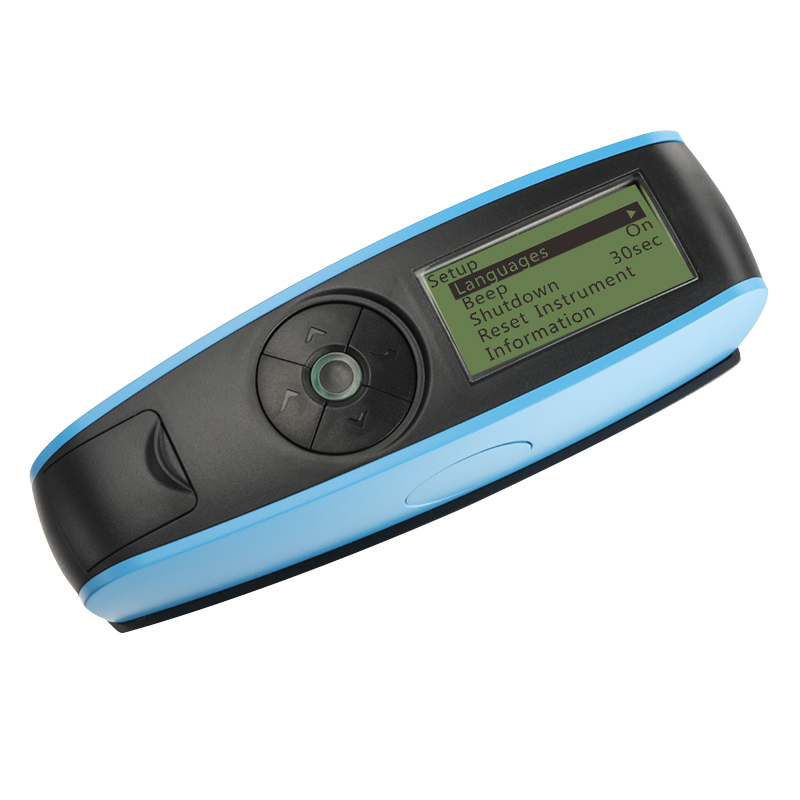
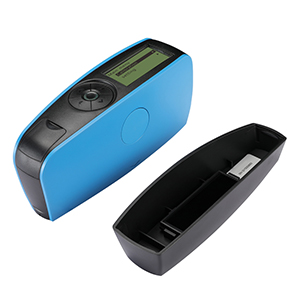
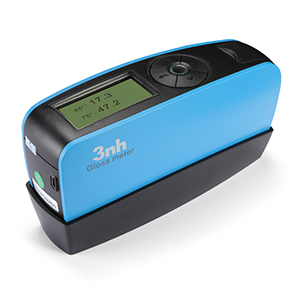
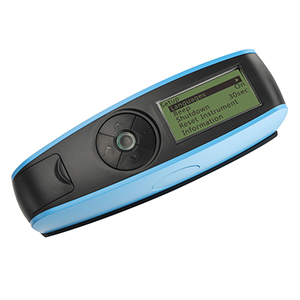
The gloss meter is used to measure the gloss level: it is a device that directs the light at a fixed angle and reads the intensity of the reflected light. The angles, such as 60°, 20°, or 85°, are applied depending on the type of surface and the range of gloss.


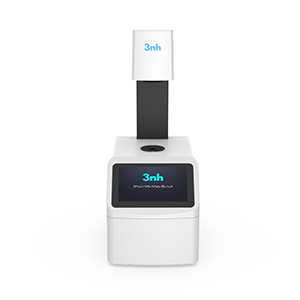
Our haze meters provide consistent and accurate data as per the requirements of ASTM D1003, ISO 13468, and JIS K7105. Due to the high precision, advanced optics, and automatic calibrations, haze meters produce repeatable and precise results for glass, films, and plastics while remaining simple to operate.


Coating thickness is best measured with a coating thickness gauge specific for the type of substrate. Magnetic and eddy gauges are best for metals while ultrasonic gauges are best for non-metals. These devices provide measurement accuracy and consistency. 

A haze meter should be calibrated every 6 months, or more frequently if used for certain quality control processes.


Yes, we warmly welcome and sincerely invite you or your team to visit our factory, we will help to arrange hotel and pick up you from airport.

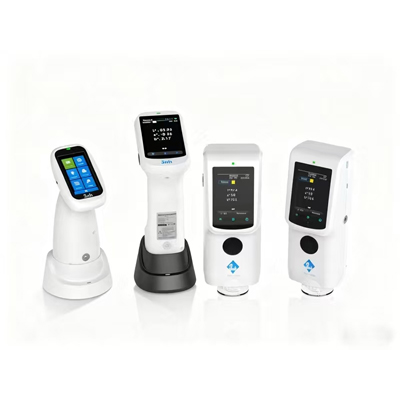
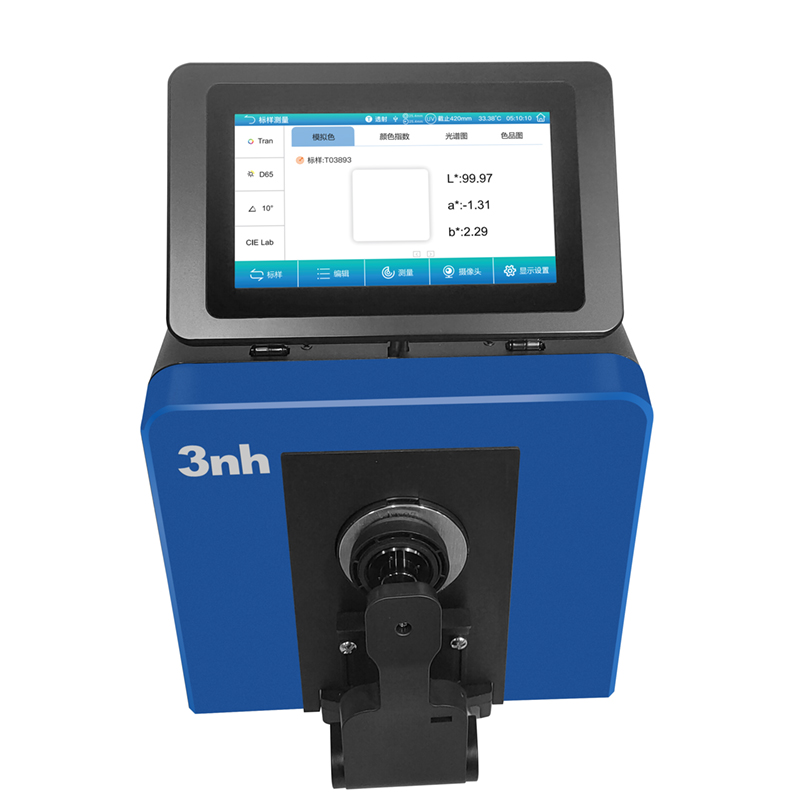
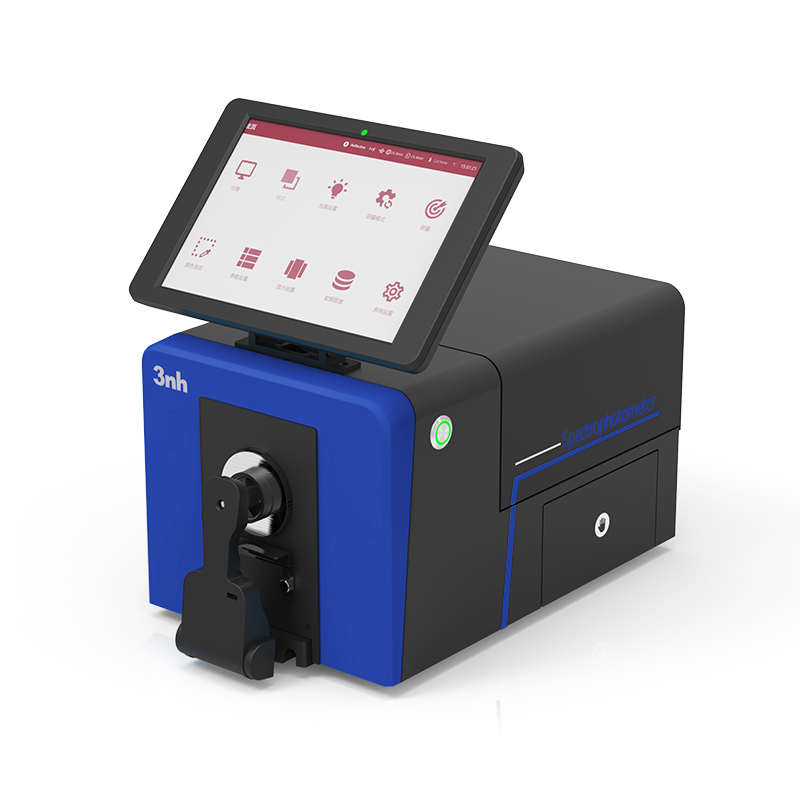
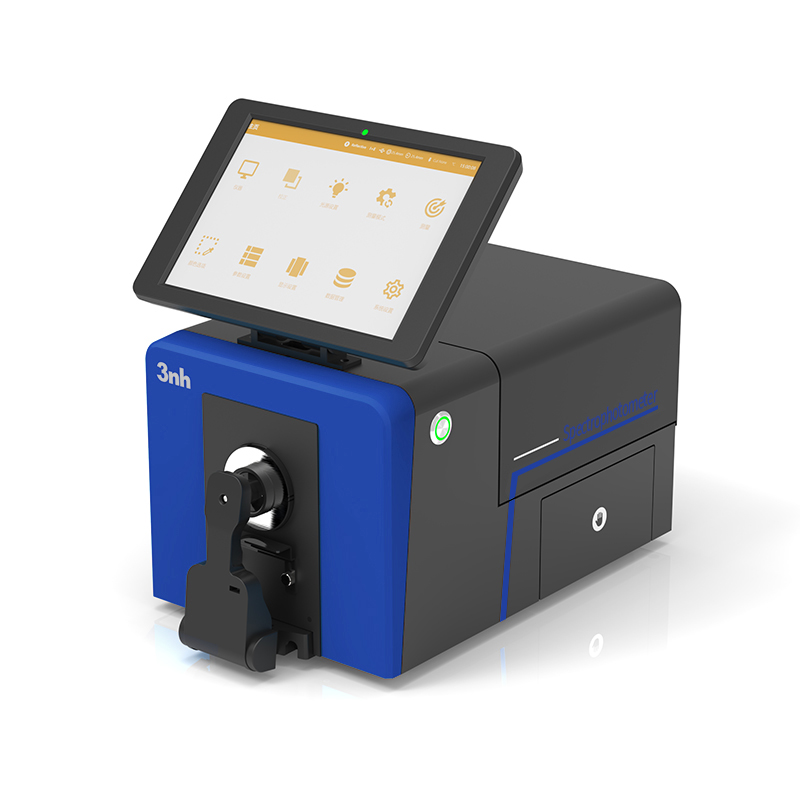
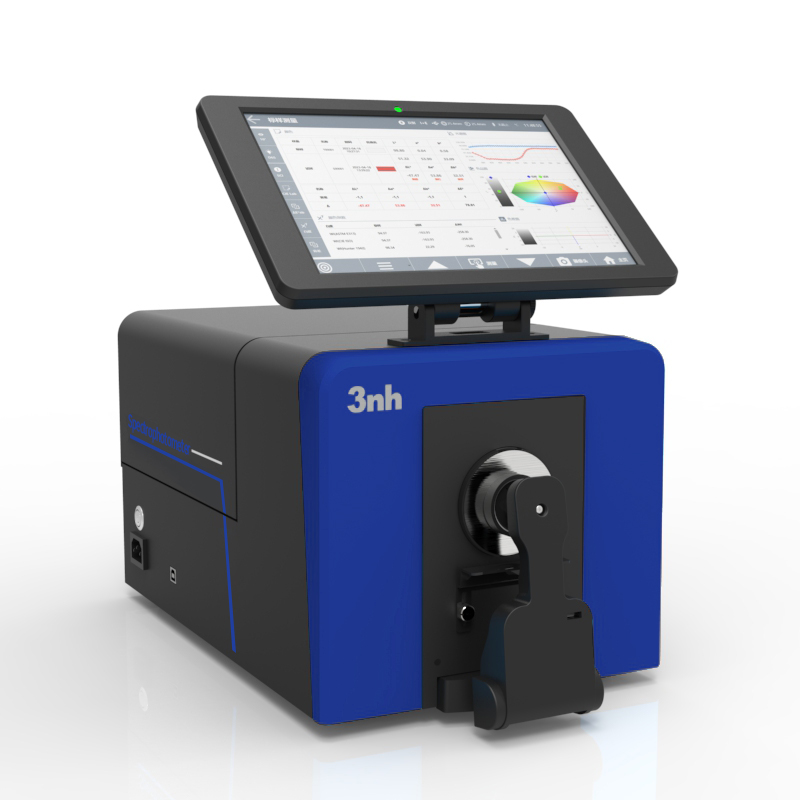
The main instruments used to detect color are spectrophotometers and colorimeters (including photoelectric integrating colorimeters). 

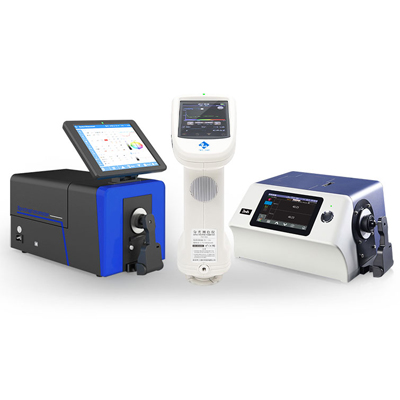
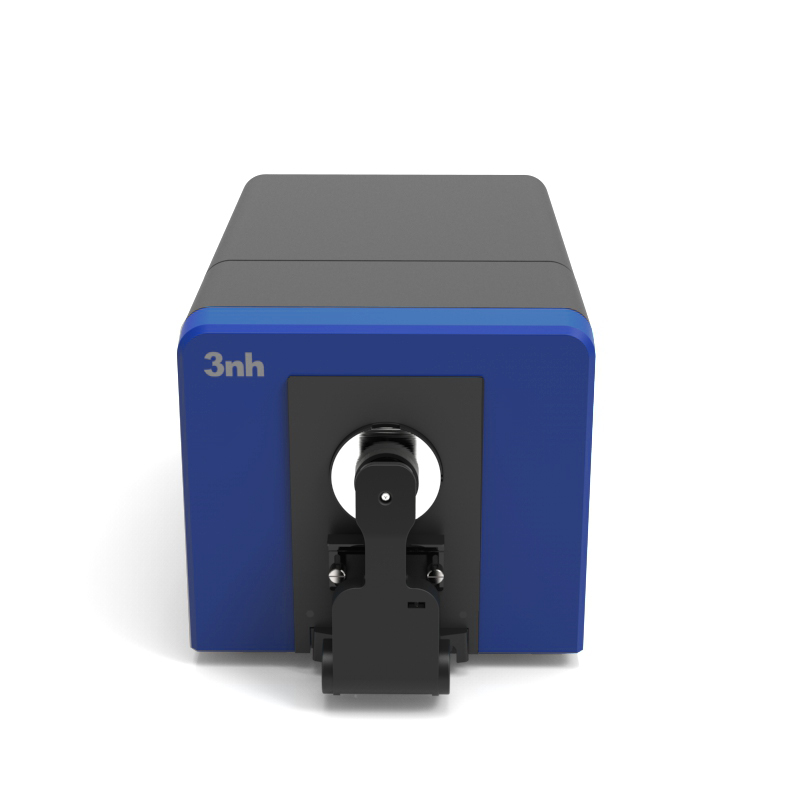
Spectrophotometer: High-precision option. It analyzes the full visible light spectrum to measure color accurately. Suitable for complex scenarios like textured surfaces, special effect colors, or batch consistency checks in industries such as paint and coatings. 

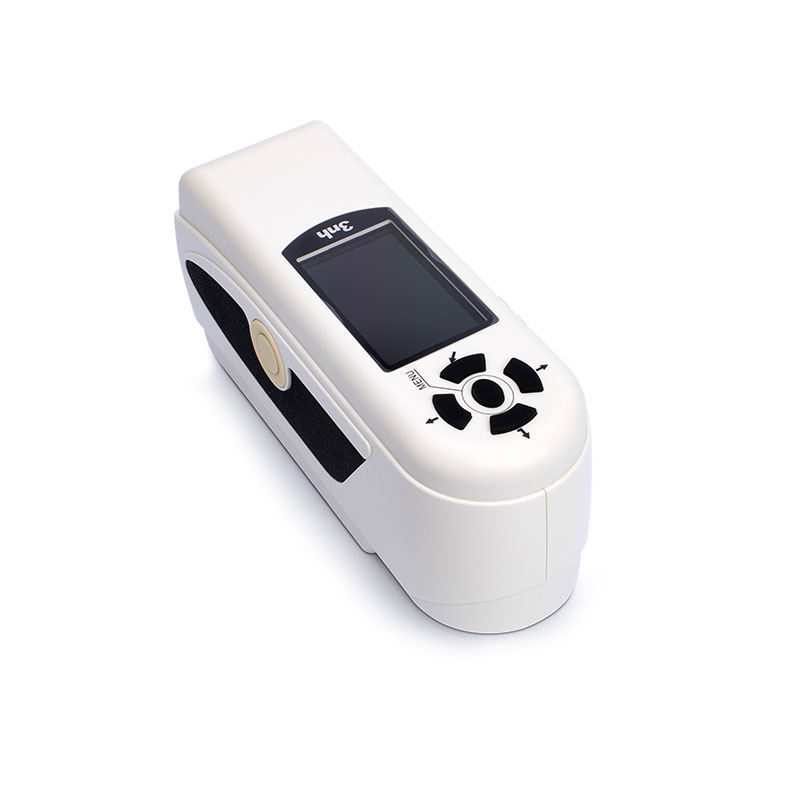
Colorimeter (Photoelectric Integrating Colorimeter): Cost-effective and portable. It uses RGB filters to measure tristimulus values directly. Ideal for quick color difference detection in simple applications. Key Selection Tip Choose based on accuracy needs: use a spectrophotometer for high-precision color measurement, and a colorimeter for fast, basic color difference checks.


Inconsistent results from a haze meter can stem from issues like calibration, dusty haze meter optics, inadequate power supply, and improper measurement technique. If you have any questions, you can contact our Haze measurement experts


The color measurement test applies a colorimeter or spectrophotometer to evaluate the way a sample reflects or absorbs light. It is given in objective color values (L*a*b*, RGB, or absorbance) and is usually contrasted to a standard in quality control or compliance.