There are many factors that go into the careful color choices made by buyers. This includes the color of the paint can, the color of each food item, and the color of the plastic. But buying decisions cannot solely rely on the human eye to judge color. This is why the precise measurement of color is essential. This turns color into precise numerical values, and makes quality control precise, repeatable, and global color measurement interchangeable.
Understanding Color Measurement
Color measurement is the precise measurement of color using certain instruments to assign numerical values to colors. Instead of asking an individual to describe a shade of gold using descriptors like 'golden yellow' or 'off-white', using color measurement involves nine color measurement standards that define color using measurement data, and then assign that data to a measurement-point.
This is crucial because humans are not accurate perceiving color. Depending on the degree of surrounding light, human fatigue, and individual biological differences, color perception can be extremely unreliable. Two or more people looking at the same object may not reach a consensus as to whether the object meets the perceptual light color standards. This is a function that a spectrophotometer can provide that is not possible for a human being. For manufacturers, that consistent result means reduced rejected batches, more brand color standards compliance, and more robust compliance documentation.
Why We Measure Color?
Detecting problems early allows for rapid corrective actions to be implemented, potentially saving costly product recalls. Quality control, for example, associated a color shift with degradation, a problem with the process, or a change in the raw materials.
Every manufacturer strives to maintain the same outward appearance for all of their products. To eliminate potential problems, customers should be confident that their product contains the correct amount. This means their product should not exceed (or be below) a specific count to ensure regulatory adherence. When food, pharmaceuticals, and chemicals are involved, color=freshness. When color is absent, it creates self-doubt. When color is consistent, self-doubt is eliminated.
Color compliance for each tier of the supply chain is just as critical as the end product to maintain color compliance. Each component of the supply chain should be fully assembled without disassembling all of the separate components. Individual color compliance is just as essential as the final product. Each component should be assembled without disassembling all of the separate components. Disassembly should be avoided. Components that have undergone excessive disassembly should not have undergone excessive disassembly.
Measuring Color Differences: Understanding Delta E
To determine color differences, we use Delta E (ΔE). This number indicates how far apart two colors are, with 0 indicating a perfect match.
Delta E Differences Visible to the Human Eye
In most manufacturing environments, differences in color are measured to determine the pass/fail status of the product. Any Delta E differences greater than 1, for example, are a reason to reject a batch of paint. Whereas, a difference of up to 1.5 is acceptable for a textile supplier. Measuring color differences is most commonly done in the CIELAB color space because it measures how we perceive colors.
Basic Principles of Color Science
Color science looks at how we perceive color and the many variables that come into play. This is because the color of an object is influenced solely by how that object interacts with light. Different objects react differently to light by absorbing and reflecting differing wavelengths of light, which in turn determines how we perceive their color. Our eyes contain three types of cone cells, receptors that are both sensitive and responsive to the wavelengths of light that we perceive as red, green, and blue. Color measurement instruments are made to simulate the response of cone cells.
As a result of the fact that we perceive color differently under different forms of illumination, which is termed as metamerism, measurement of color is dependent upon specific illuminants, like D65 which is used for daylight, or A, used for incandescent light, as well as a standard observer. In relation to color measurement, we can use color space models, such as CIELAB, which provide a mathematical approach to the perception and measurement of color.
Essential Tools for Color Measurement
Spectrophotometers
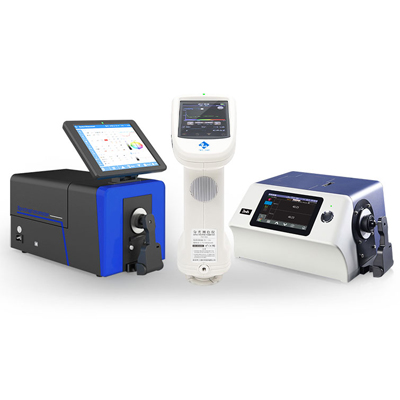
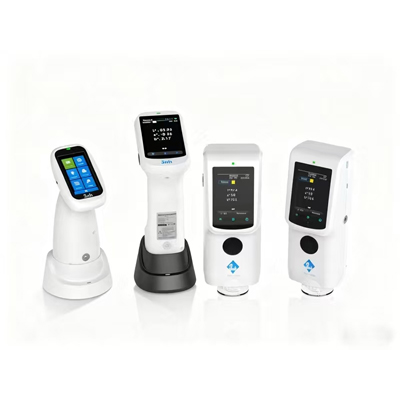
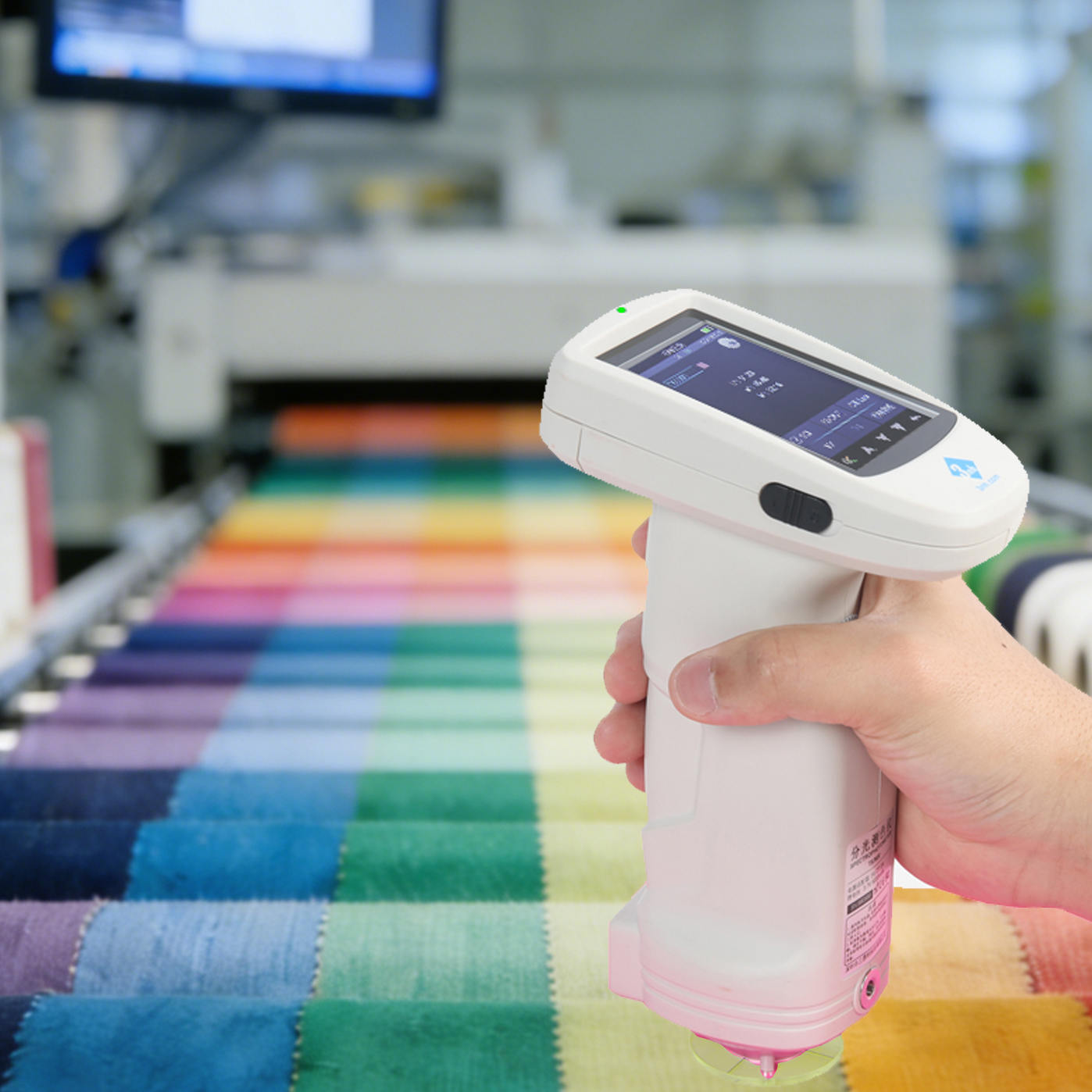
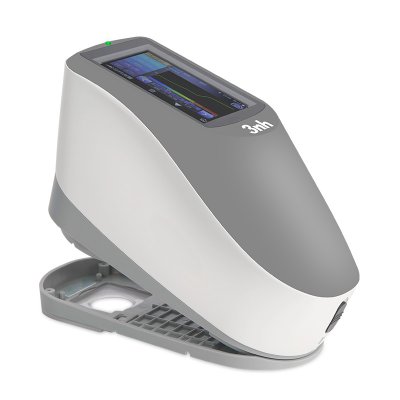
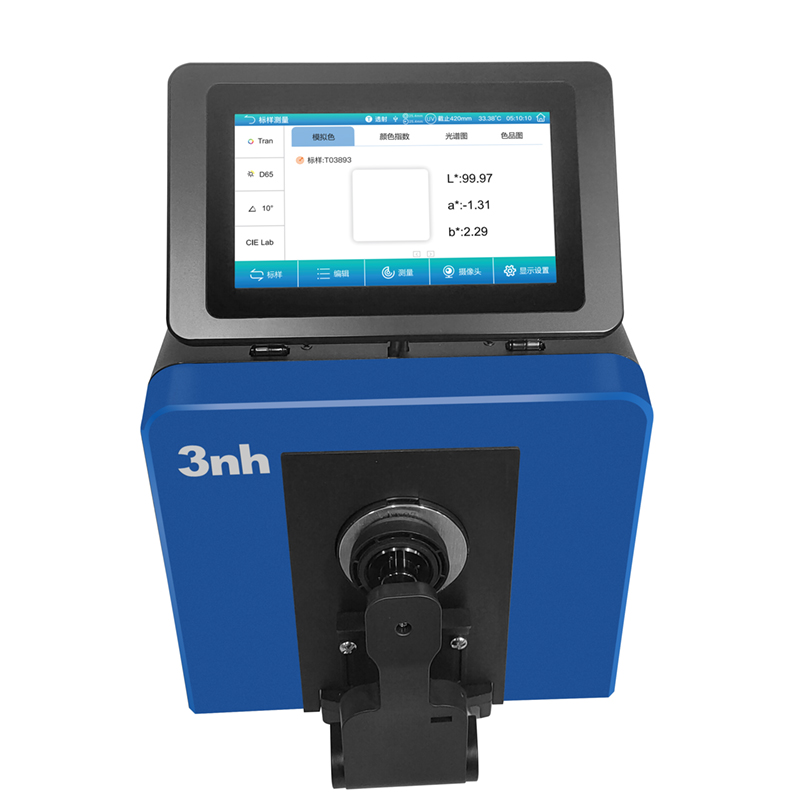
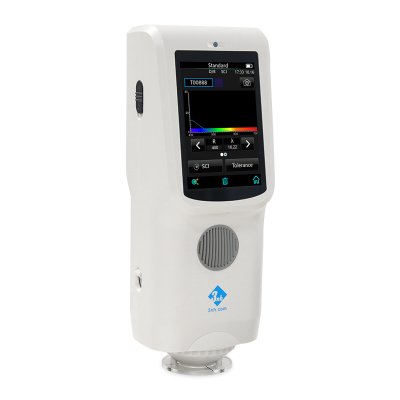
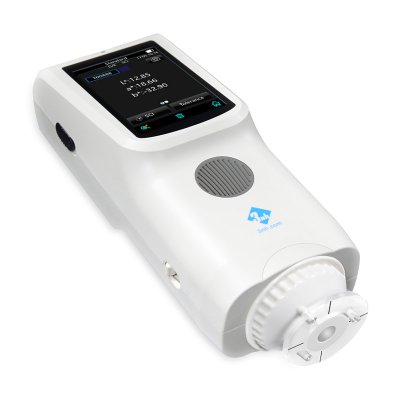
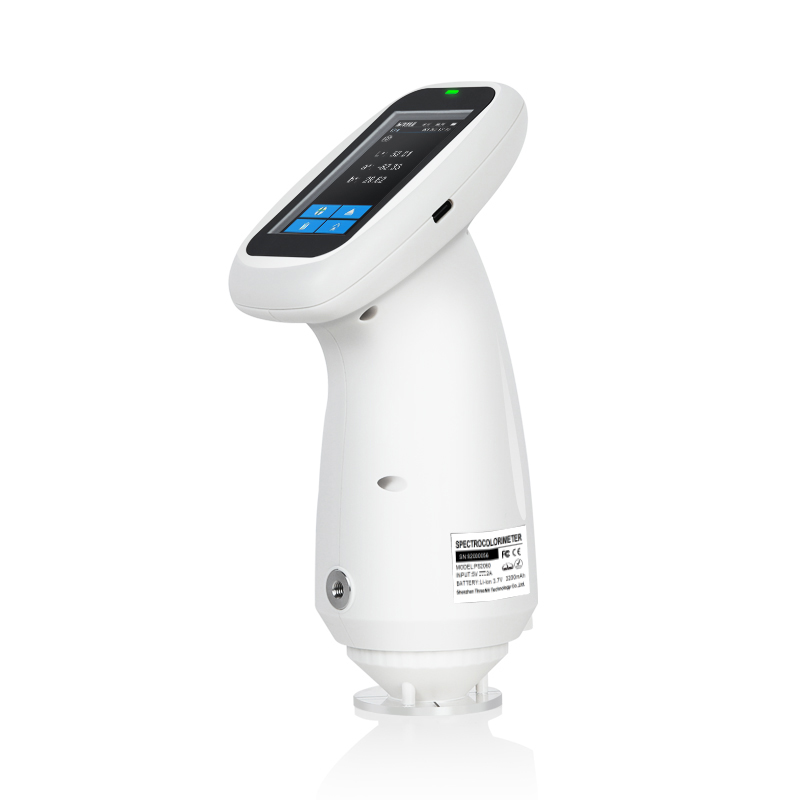
Spectrophotometers are the most accurate tools we can use to analyze color. A spectrophotometer records the amount of light (either reflected or transmitted) from a sample at different wavelengths. The measured data can then be used in any color space of interest to us. There are different types of spectrophotometers. Some are used in an office (stationary) position and integrated into production line systems. Other types are portable spectrophotometers that can be used in the field.
Colorimeters
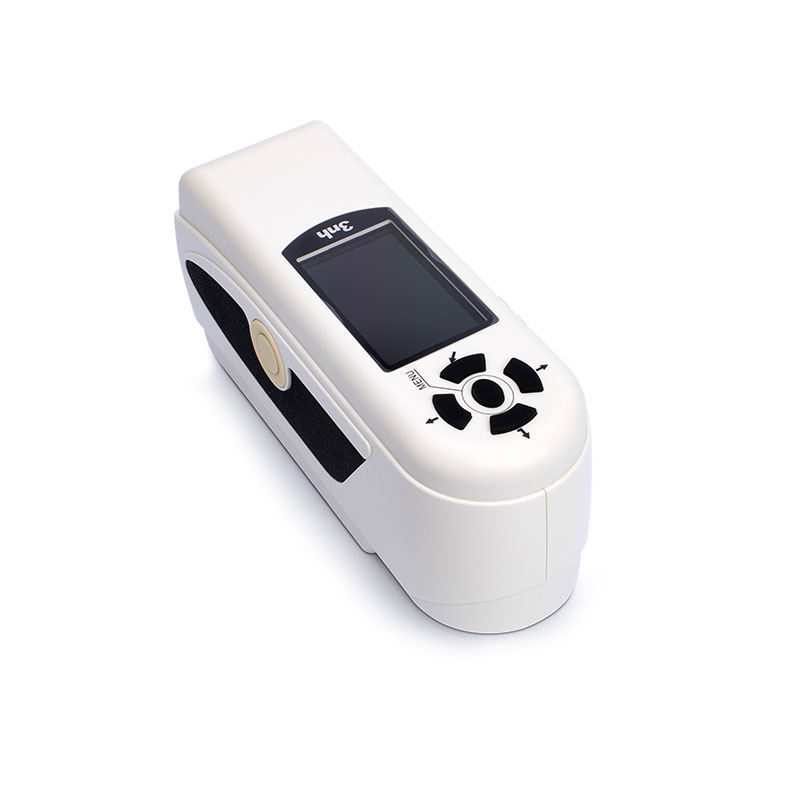
Colorimeters are less complex and less costly color measurement instruments than spectrophotometers. A colorimeter has several optical filters to mimic the response of the human eye. The output of a colorimeter can be in one of the following forms: L*a*b* or one of the RGB values. A colorimeter is best used for making a quick pass/fail assessment as it lacks the complete spectral data necessary for color formulation or any more sophisticated evaluation.
Inline color measurement systems use probe systems that measur color during manufacturing using contact sensors or probe systems. Since color measurement happens continuously, color balance feedback modifies processing step parameters without line stoppage. This feature maintains color uniformity during production and minimizes material waste. This measurement technology is also effective during food manufacturing, dyeing and plastic extrusion.
Almost all color measurement technologies and systems operate on CIELAB (L*a*b*) color space which is three-dimensional. CIELAB divides color space use L*, a*, and b* axes. L* (lightness) ranges from 0/100 (black/white) while a* and b* axes go from green to red and blue to yellow respectively. Due to resemblance of human eye perception of color, CIELAB is also the most appropriate to use in computing Delta E. Delta E metrics color differences and CIELAB is also the most appropriate to use in computing Delta E.
A sphere spectrophotometer measures two modes: SCI and SCE. SCI (Specular Component Included) measures all reflected light and includes gloss. SCE (Specular Component Excluded) measures true diffuse color—without gloss. In most industrial applications, both measurements are performed so that all aspects of the sample's appearance are measured.
Color Measurement Industry Applications
Textile Color Measurement
The textile industry requires color measurement throughout the entire process. Measurement takes place at the dyeing of raw fiber and continues through to the inspection of the finished garment. Portable spectrophotometers are used to measure color at various production stages, while bench top units are used to measure color in the laboratory. Consistent measurement of color reduces the number of samples that have to be sent to the manufacturers and suppliers, reducing lead time and reworking time.
Measurement of Color in Paints
Measurement of color in paints is used in everything from the tinting systems used in retail to the quality control of coatings in the measurement of color in industrial coatings. Measurement of color in paints involves the use of a spectrophotometer that scans a reference sample to produce an automatically calculated formula of the pigments that are to be used. For industrial coatings, there are strict Delta E variations and measurement standards in color that have to be complied with as well as the color of the paint needing to be the same as the approved color under different lighting conditions.
Automotive Color Measurement
Car manufacturers have to deal with multiple layers of complexity for ensuring that the panels, bumpers, trims, and interior pieces provided by different suppliers and manufacturers look the same. When it comes to metallic and pearlescent bottoms, look angle dependent finish shifts, are especially important for the multispectral and gloss measurement.
Food Color Measurement
Food color indicates the freshness and quality. Banana puree color measurement uses L*a*b* values, which quantify the ripeness and oxidation of bananas. The color of beverages is assessed in order to achieve color consistency of juices, coffee, and beer. The color of bread crust is monitored in large-scale baking to control crust browning. Color measurement in the sugar industry uses ICUMSA units to measure the color of sugar and determine the quality of the refinement of sugar. The measurement of color in flour is done to measure the whiteness and yellowness to determine the extraction rate and the freshness of the flour.
Chemical & Plastics Color Measurement
In the chemical industry, color indicates the level of purity. For example, yellowing in a resin or darkening in a solvent indicates the presence of contamination or degradation. The most common coloring scales are APHA, Gardner, and Saybolt. Color measurement in plastics can be applied to both opaque and translucent plastics. Inline color measurement systems detect color changes during processing, such as extrusion or injection molding, as soon as they occur.
Skin & Print Color Measurement
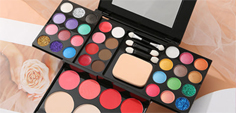
Measurement of skin color assists in formulating cosmetics for foundations and tinted products, and guiding clinical assessments of skin disorders. Print color measurement involves color offset printing and is regulated by ISO 12647 standards. It uses spectroscopic and densitometry tools to ensure that printing inks meet predetermined standards and remain uniform through the printing process.
Multi-Angle Color Measurement
Consider the appearance of a material that can changed when viewed from different angles: this phenomenon must be studied with multi-angle color measurement. This technique is particularly useful when analyzing coatings with metals, pearls, and/or other special-effect pigments, which appear to change color depending on the viewing angle. With multi-angle colour measurement instruments, manufacturers can measure the color variability within a number of different lighting and viewing angle conditions. This is particularly important in the automotive industry, plastic industry, and coatings industry, as different suppliers can produce parts with the same color and visual effects that will appear to change when viewed from different angles or under different lighting.
Guide for Measuring Color
Set the instrument's white tile and black trap before every session calibration.
Moisture, surface finish, and the sample's orientation affect the measurement. Be sure the sample preparation is consistent.
For comparison, all measurements must have the same illuminant and observer angle.
Surface irregularities may require a mean to be calculated, and so it's good practice to take three or more readings for each measurement.
For the life span of a project, each type of instrument should be the same for all measurements to ensure the measurements are comparable.
What Can You Do with the Measurement of Color Data?
Measuring color does more than say pass or fail. It can be used to track color alterations to catch small changes before they are obvious. Using L*, a*, and b* values, you can utilize formulation software to create or adjust recipes for dyes and pigments. You can give your vendors specific numerical data instead of a physical sample, clarifying the unintentionally vague references, and you can create a complete, traceable history of the color quality of every batch produced.
What Color Measurement Tools Does ThreeNH Offer?
ThreeNH offers the broadest range of color measurement instruments. Their products include portable spectrophotometers for color measurement and analysis that can be done in the field, portable and compact spectrophotometers for more accurate laboratory analysis and measurement, inline systems for color measurement instruments for the continuous control of color in production processes. Each of the ThreeNH color measurement instruments is designed for the color measurement technology and methods and meets international standards. In addition, the unique software of the device allows the user to control the measurement process in an optimal and effective way.
ThreeNH inline color measurement devices for closed loop control of color measurement provide, via non-contact measurement devices, real time measurement of color throughout the continuum of the production process. This is applicable to measurement of color in plastics, food, textiles, paints, chemicals, and related materials.
Conclusion
Quality control is typically based on subjective analytics that compromise the integrity of production; however, with color measurement, control becomes precise and reliable. With tools spanning from CIELAB color measurement and Delta E tolerances to inline systems on production lines, this guide provides color measurement control to precision manufacturers across every industry. Measuring the whiteness of flour, the consistency of paint in a car, and the color of plastic components is made possible with color measurement tools and instills confidence in the consistency of quality with customers.
FAQs
1. What is color measurement?
Color measurement is transforming color into numerical values. It is typically done using color measurement tools. Color measurement is important because color consistency allows manufacturers to better control the quality of their products throughout the entire production cycle.
2. What is the significance of color measurement in manufacturing?
Color measurement is important in manufacturing because it allows for the detection of color variations in the products early, it ensures consistent color of the company brand, and it allows for the identification of low quality and defective products so that they do not reach the customers. It helps with quality control and it guarantees that the company is following the manufacturing rules.
3. What is Delta E in color measurement?
Delta E (ΔE) measures color differences. For example, a ΔE value of 0 is a perfect match, while higher ΔE values are more noticeable differences in color. Most industries set limits for ΔE so that they can determine whether a product passes or fails quality control.
4. What is the difference between a colorimeter and a spectrophotometer?
A colorimeter is a less sophisticated version of a spectrophotometer, and it is used for tools that just need to get a quick measurement of the color and determine whether it is a pass/fail. For example, a spectrophotometer measures the entire light spectrum, whether it is reflected or transmitted, and gives very precise color information.
5. What is CIELAB?
CIELAB (or L*a*b*) is a color space that uses lightness L*, a* is from green to red and b* is from blue to yellow. It is used mostly in industry because it represents the way people perceive color closely.
6. Which industries use measurement of color?
The measurement of color is used to keep consistency of products in quality and color in the industry of textiles, food, plastics, paints and coatings, automotive, chemicals, cosmetics, and printing.
7. How do manufacturers achieve consistency of color in production?
Manufacturers achieve consistency of color in production through calibration of instruments at a certain period of time, use of the same lighting in a certain period of time, measurement of samples at a certain time, and colored measurement systems that can be done at the same time.