icon

Call Now

86-755-26508999

icon

Email

tilo@3nh.com

icon

Time

8:00 AM - 5:30 PM (GMT+8)

Message

Consultation

About Us

3nh specializes in high-precision color measurement instruments, including colorimeters, spectrophotometers, and haze meters, serving industries like textiles, plastics, and coatings. With innovative R&D and global reach, we deliver reliable solutions for color management and quality control, trusted by customers in over 80 countries.

Products

Products Frequently Ask Questions

Flickering lamps, color shifts, and uneven lighting are common faults, which can be corrected by changing the tubes, cleaning the interiors, and re calibrating the light system.

Yes. Ultrasonic coating thickness gauges can pinpoint layers within a multi-coat system. Users can examine the separate thicknesses of a primer, base coat, and clear coat. In contrast, magnetic and eddy current gauges usually measure the overall thickness of the coating. 

A powder coated surface is most commonly measured for thickness post curing using a digital coating thickness gauge. This method is non-destructive, helps verify coverage uniformity and meets quality control standards. A powder comb gauge is used to estimate thickness for a pre-cured coating.

 Inquiry - quotation - communication - order confirming - deposit payment - production - testing and debugging - balance payment - packing - delivery - customer receiving - after service. 

D/8°and 45°/0°are two kinds of illumination geometry with different optical geometry design. D/8°illumination geometry is more widely used for the color comparison and measurement of high-gloss materials; 45°/0°illumination geometry is mainly used in printing and packaging industries. 

Ambient light, heat, and moisture levels should be regulated. The use of colored walls and reflective surfaces should be avoided, as they can damage the assessment of the sample colors visually.


An inappropriate viewing angle may lead to reflections or color shifts in the light. The correct angle of 45 or 0 will provide the real color of the assessment without the distraction of glare.

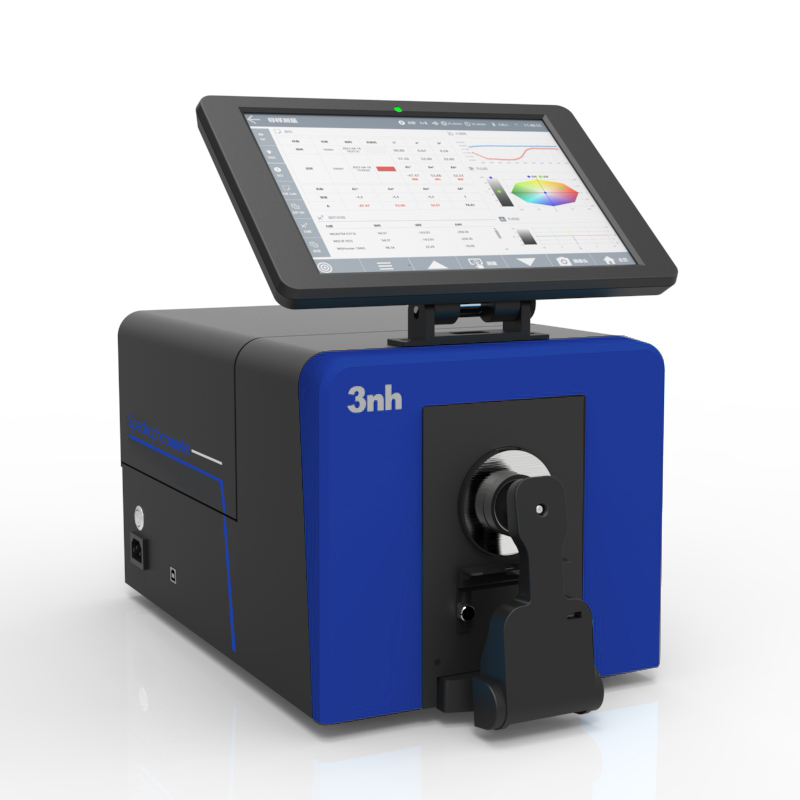
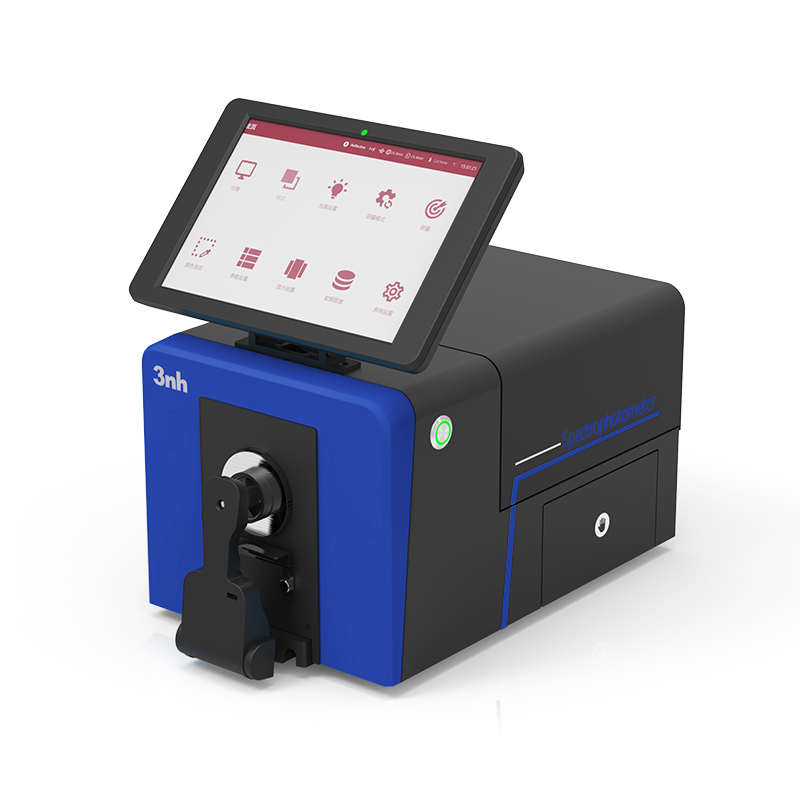
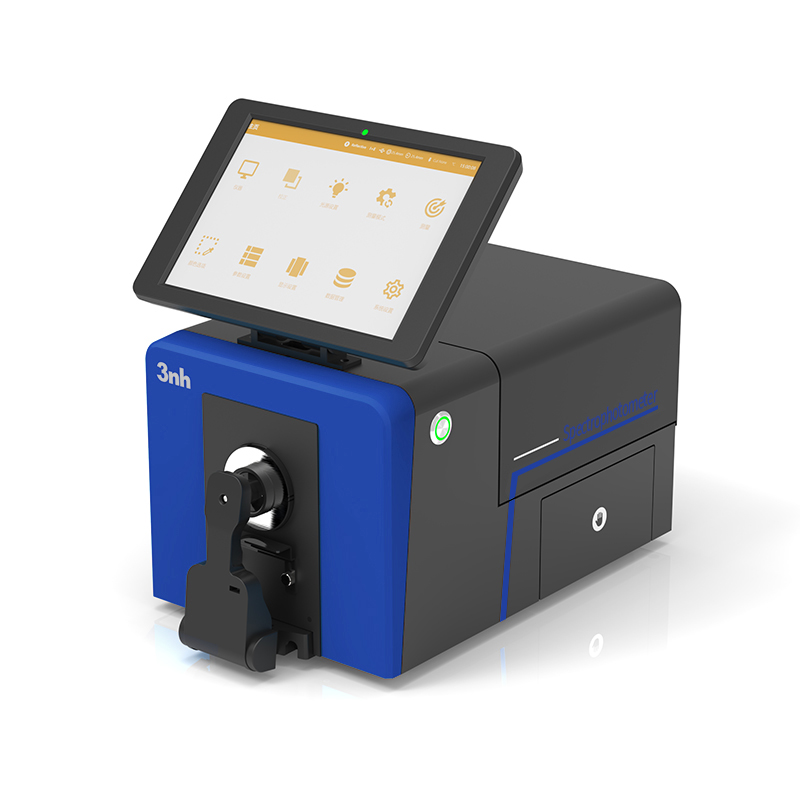
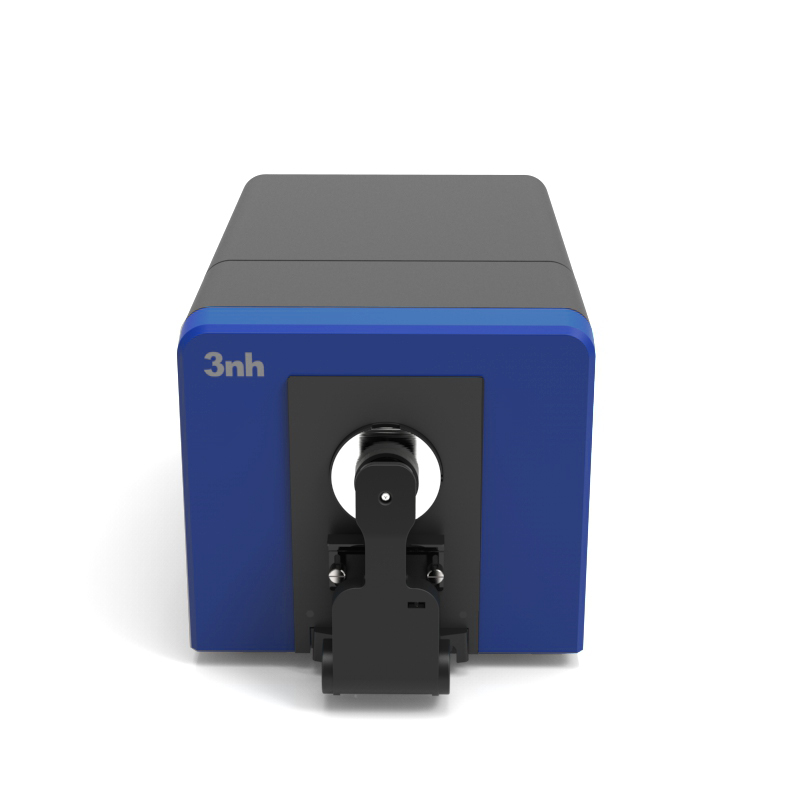
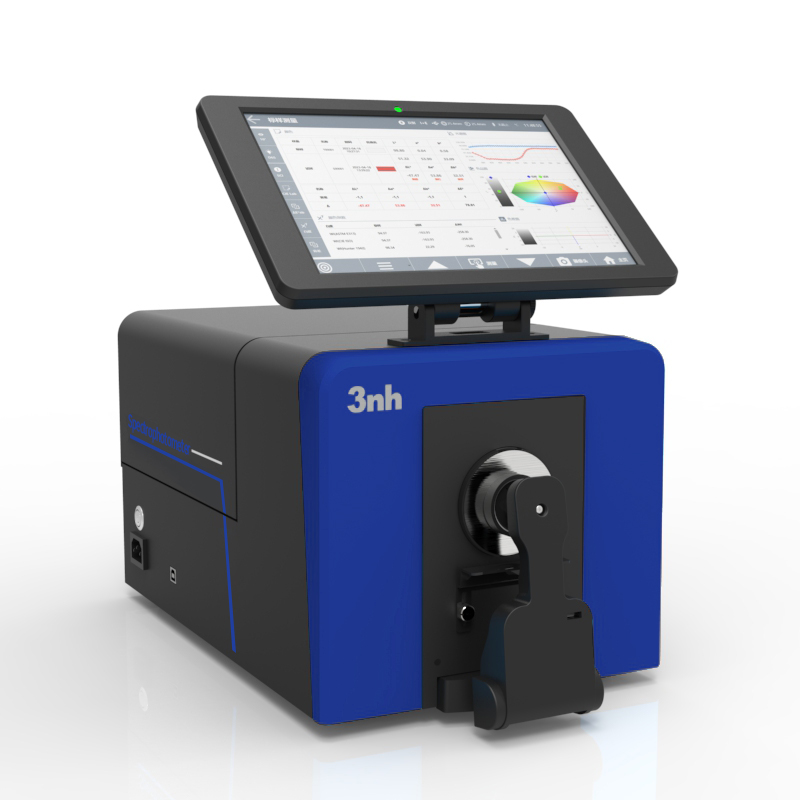
 A spectrophotometer illuminates a sample with light or passes light through it and records the reflected or transmitted light over the wavelength range. It transforms this data into color coordinates (such as L*a*b*), allowing accurate color assessment as well as color comparison to standards.


Yes. However, for LED retrofitting to meet industry standards, color- calibrated LED modules must be used for accurate color rendering. We usually do not recommend customers to modify it themselves, as this can affect the accuracy of the color and cause unnecessary losses


Our machine is packed by standard export wooden box, it won’t be damaged. We’ve delivered many testing machines abroad by sea or by air without damage.