3NH Building Materials Color Measurement Solutions
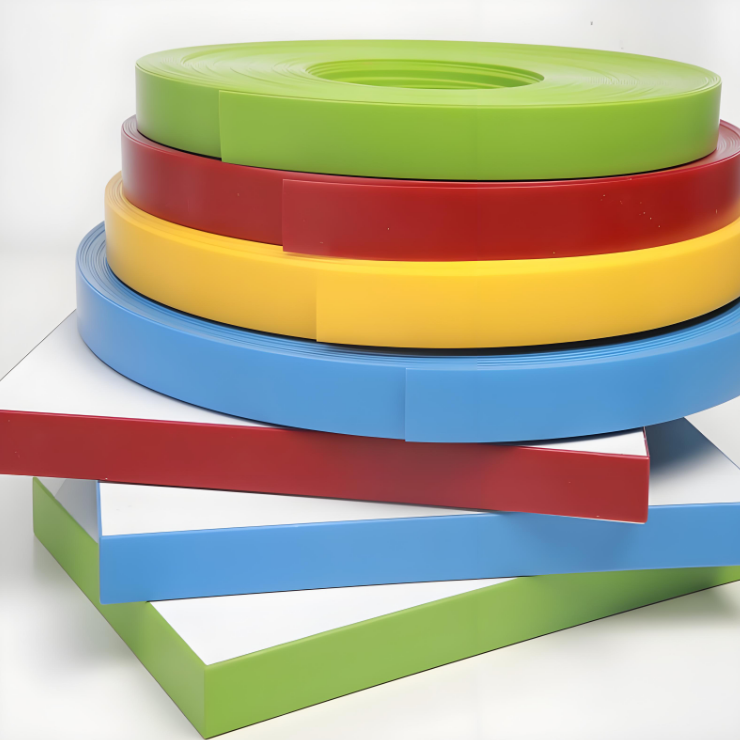
In the building materials industry—where color consistency defines architectural aesthetics, brand reputation, and project compliance—reliable color measurement is a cornerstone of quality control. From paints, coatings, and tiles to flooring, cladding, and construction plastics, 3NH’s Building Materials Color Measurement Solutions are engineered to meet the unique demands of construction scenarios. Designed to ensure batch uniformity, weather-resistant color stability, and adherence to global industry standards, 3NH empowers building materials brands, manufacturers, and engineering teams to deliver projects with flawless, long-lasting color.
Colour and Surface Measurement for Building Materials
Color only has a part of the story in the building materials world, the surface attributes of gloss, texture, and finishing. All are significant contributors to the perception of the colors used. The same pigment can reflect in the case of a smooth, shiny surface.
This gives an appearance of being brighter against a textured or matte surface, which would scatter some light. Thus, making it also dull or rather dark. Such an interaction renders the quality control and production critical in assessing both color and surface properties.
In the processing of materials such as composite panels, roofing shingles, ceramic tiles, painted metals, concrete blocks, or PVC siding. If you avoid consideration of surface attributes might cause color match and aesthetic variances in a final project. Minor differences in surface finishes, reflectance, finish, etc, may make products appear off-tone under natural or artificial light.
Measuring Glass Parameters
Glass is unique and complicated. Unlike other materials, glass can be tinted and modified to become transparent, reflective, or opaque. Control of glass parameters is important for displays, architectural panels, and optical components. Performance and appearance greatly depend on how well the parameters are controlled.
3nh's YT10 Series Handheld Coated Glass Optical Transmittance Meter. This series of instruments adopts multiple light sources and can test parameters such as visible light transmittance, ultraviolet rejection rate, and infrared rejection rate, which is suitable for industries like glass and film. In addition, 3nh's haze meters and other instruments are used to measure the haze and transmittance of glass.
Cutting Edge Color and Gloss Measurement
That is why major manufacturers rely on the cutting-edge color and gloss measurement systems offered by 3NH. Our tools will read more than just simple color values. They read gloss, reflectance, and finish attributes of a range of viewing angles and illumination states.
As an example, you might be testing untreated bricks or high-gloss coated glass. The 3NH tools will give accurate, repeatable results to show how the material will look in the real world.
Moreover, our instruments have adjustable settings. Which broadly support different substrates such as smooth, porous, metallic, rough, or even semi-transparent ones. This degree of precision will also allow the manufacturers to be confident that each batch of material will not only be manufactured to the design intent but also perform as expected.
Colour and Gloss Measurement Solutions for Construction Materials
Color and gloss testing are essential elements in the building sector because no one can compromise on the visual aesthetic and uniformity of the surface. Consider a building with a facade in which the window frames are less shiny than the aluminum siding next to it- the eye gets interrupted, and it could indicate poor quality and workmanship.
3NH has sophisticated dual-mode machines that can record both color and gloss in one pass to give a complete assessment of the surface.
The levels of gloss have a huge impact on color impression. As an example, the glossy finish may make the colors shine brighter and more saturated, and the matte finish may tone them down. This gives gloss measurement the same concern, where control of color must be considered. Remarkably, when it comes to the color of exterior panels, trim pieces, floors, and fixtures.
These tools help manufacturers:
● Monitor both parameters simultaneously
● Detects inconsistencies in reflective materials like coated glass, painted metals, ceramic tiles, and laminates.
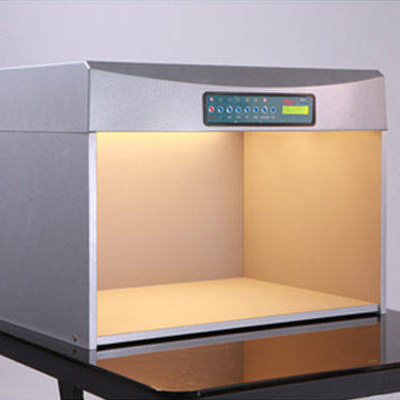
● Comply with visual and industry standards across various lighting environments and viewing angles.
● Match client specifications and architectural design requirements with high precision
Colour Measurement for Powdered Building Materials
Building materials in powdered form, like cement dust, gypsum, tile grout, plaster, pigments, and mineral additives, offer special problems in color measurement. They usually are very fine, non-reflective, irregular, and excessively light and moisture sensitive. This quality alone renders all the traditional methods of color evaluation unreliable.
However, color analysis must be precise. Since any discrepancies may occur after the material is combined, used, or cured. It may be visible in the finished product. The unevenness of grout lines, uneven cement finishes, or inconsistent pigments of tiles can affect the appearance of the design and quality control in an unfavorable way.
3NH’s specialized spectrophotometers are engineered to:
● Analyze powdered textures without compressing or contaminating the sample.
● Use diffuse reflectance or transmission-based methods optimized for irregular, granular surfaces.
● Ensure accuracy in detecting even the most subtle shade variations.
Our instruments also accept sample holders and powder cells that avoid extraneous interference so that the same measurement is always repeatable and consistent.
Cement plants, pigment manufacturers, dry mix producers, and tile manufacturers widely trust the following tools due to their capabilities of evaluating the raw materials before processing. By catching off-color batches early and downstream problems are avoided. The overall product uniformity is increased, and wastage is eliminated.
Why Is Color Control So Important for Building Materials?
Color control is no longer a matter of aesthetics, but it is also functional, of good quality, and even branding. Here is why it is important:
1. Brand Consistency
Various construction firms and the manufacturers of building products have strict standards with regard to the colour of the brand. These guidelines are critical in ensuring a unified visual image in all projects, marketing, and product lines. A brand can be tainted even by minor color variations, which will give an indication of low quality or inconsistency.
2. Consumer Expectations
The current purchasers, be they homeowners, contractors, or architects, demand perfection when it comes to uniformity. Tile grout, siding, or decorative concrete mismatch may break the whole visual scheme of a project, resulting in dissatisfaction, complaints, or even rejection of the products.
3. Regulatory Compliance
In government tenders and architectural specifications, it is common to see the need to have very specific color standards, particularly in infrastructure, in a public space, or in a restoration project. Correct color measurements cause no penalties or delays to a project and meet these standards.
4. Environmental Durability
The building materials that are subjected to sunlight, rain, and variable temperatures must not lose their color over time. Correct baseline color measurement enables manufacturers to trace the long-term durability. So that products age in a uniform manner and perform as per specifications.
5. Cost Reduction
Color errors that are identified during production late or even after installation cause rework, returns, and more wastage. Even color management at the production level ensures that such costly reversals are eradicated to increase efficiency and profitability.
Building Material Color Measurement Tools From 3NH
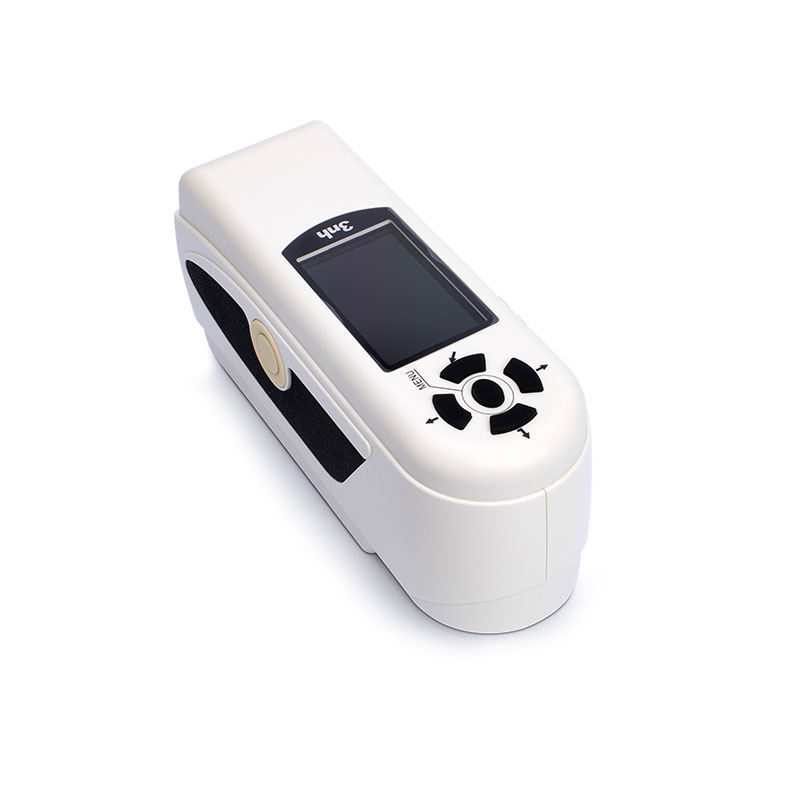
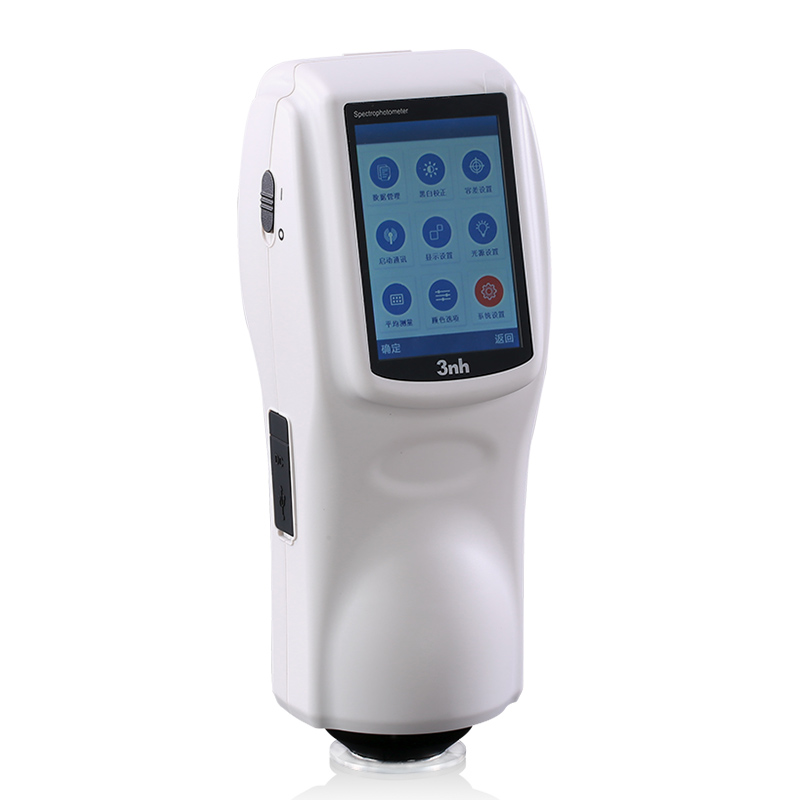
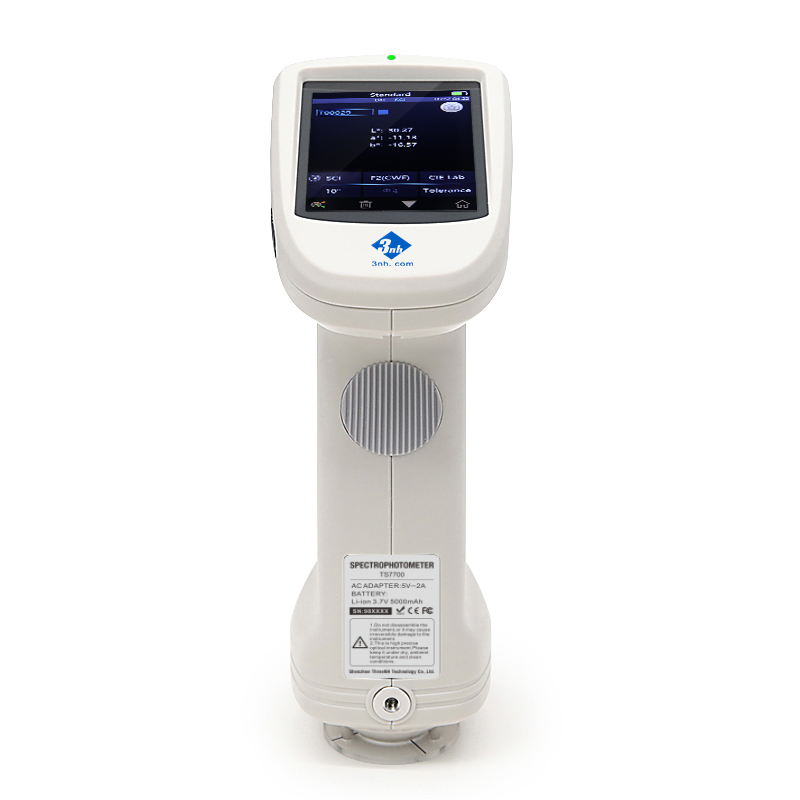
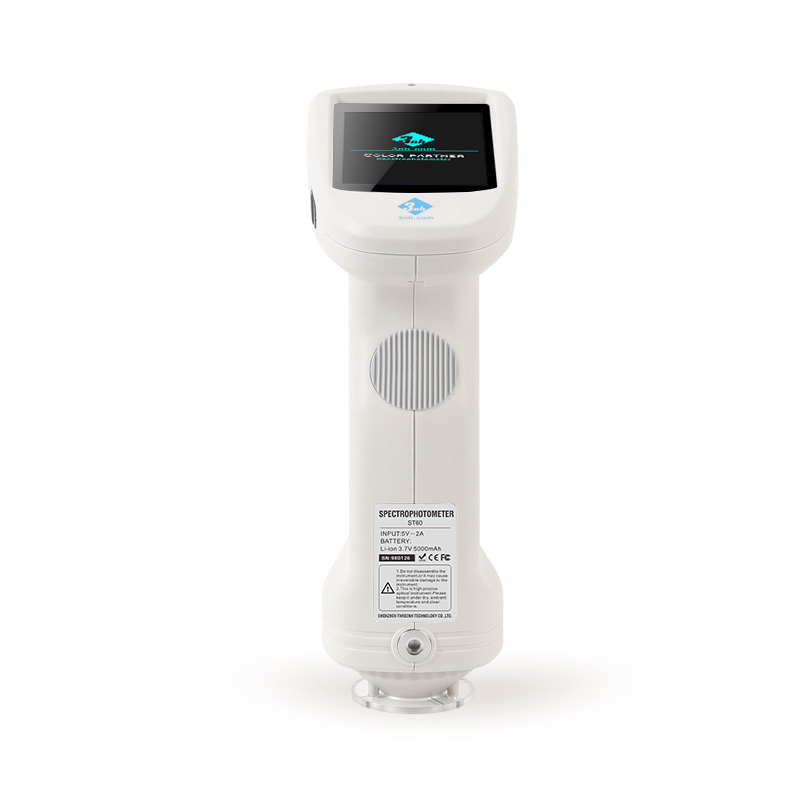
At 3NH, we have been creating high-performance color and gloss measuring instruments designed to meet the particular needs of the construction and building materials markets. Our tools are simply the best when it comes to testing raw materials or finished surfaces due to accuracy, efficiency, and ease of use. Our main tools are the following.
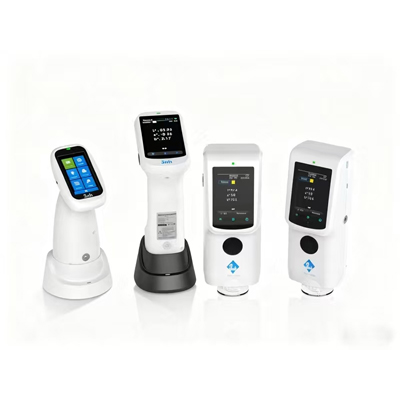
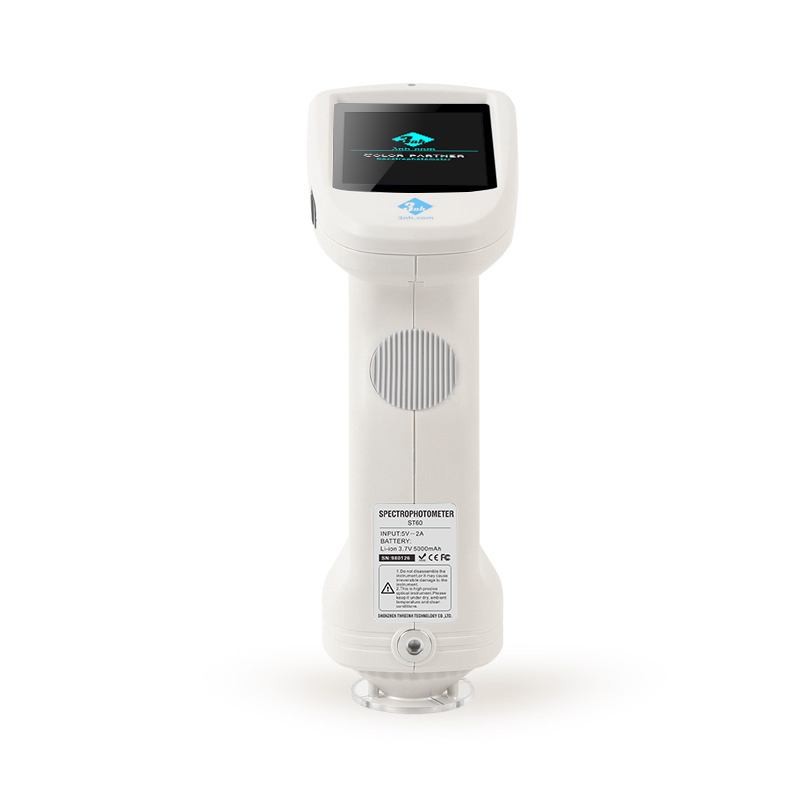
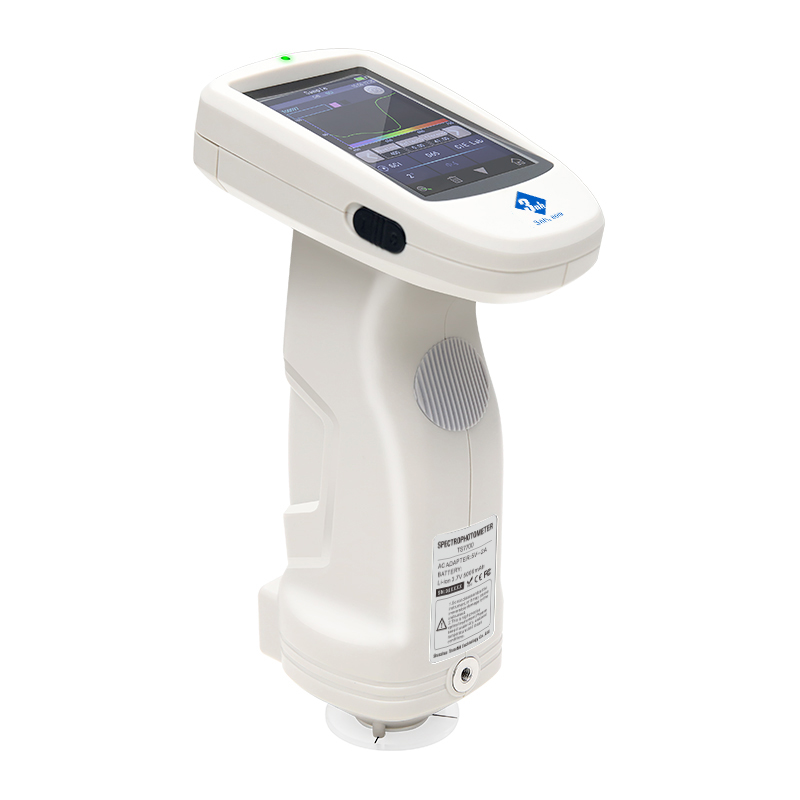
1. Portable Spectrophotometers
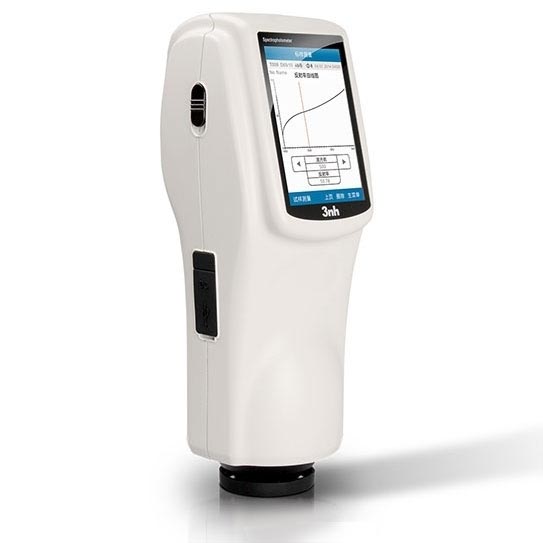
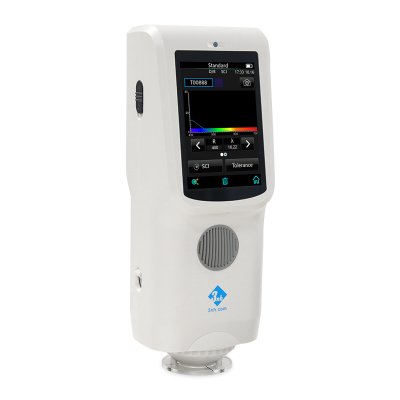
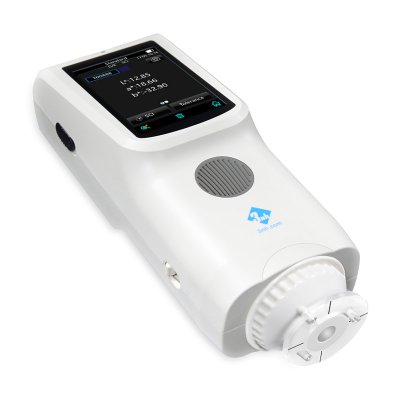
These tools are mobile and usable on-site. Which makes them ideal to perform real-time quality control in a manufacturing plant, a construction site, or even a warehouse. They deal with such a variety of materials as cement panels, vinyl cladding, and decorative stone.
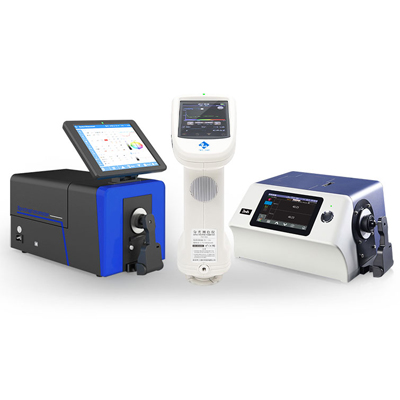
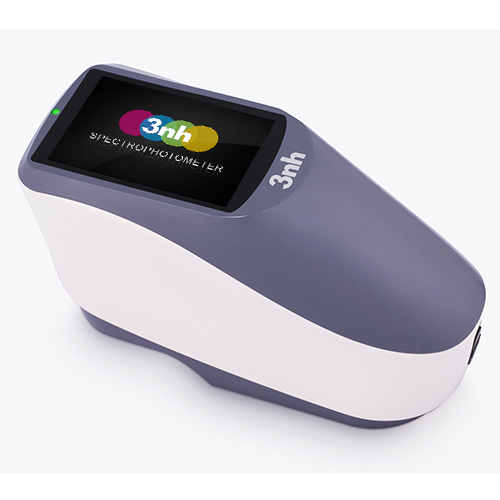
2. Benchtop Spectrophotometers
These devices are lab quality and ideal in laboratory settings. Where the measurement of colors in tiles, paints, plastics, composites, and coatings requires in-depth analysis. They can give repeatable and replicable results in high-throughput settings with high-quality optics and automated positions of samples.
3. Gloss Meters
Properly assess the surface gloss of materials such as painted metals, polished wood, laminates, and ceramics. Our gloss meters can be bought in single, dual, or triple-angle models to measure gloss at different light and viewing angles.
4. Colorimeters
These fast, convenient, easy-to-operate devices provide effective, fast, and affordable color measurements. They are useful in quick evaluations or in a mobile quality inspection. So, they are regularly applied in the early stages of production or incoming supplies.
A Cost-Efficient Approach to Controlling Color on Building Materials
When it comes to color measurement solutions, investing is not a cost but rather an upgrade of the operation. Once the color problems are captured at an early stage by the manufacturers and rectified. The manufacturers are saved from customer dissatisfaction, rework expenses, and time-wasting production. Our equipment will also save you money since it takes care of your brand image and adds to your bottom line.
Here’s how 3NH makes it cost-efficient:
1. Durable, Low-Maintenance Design
Our machines are constructed using tough industrial-grade hardware that can survive tough environments that are common in producing construction materials. They have sealed optics, robust construction, and few moving parts. 3NH instruments have minimal maintenance to enable long life and continuous operation.
2. Flexible Configuration Options
We have portable and benchtop versions that serve the requirements of various applications and budgets. Field or lab, spot checks or in-depth analysis. 3NH has a solution that will not break your budget. But it will be integrated into the workflow you have established.
3. Integrated Multi-Parameter Measurement
Most of our advanced equipment is capable of color and gloss analysis at the same time, eliminating the need to use several instruments. This makes the process of QC easier and reduces the time spent on calibration. It also makes the visual and functional specifications consistent.
4. Advanced Software Ecosystem
Our user-friendly software allows complete control of color data, with user-defined tolerances, pass/fail notifications, group reporting, and trending over a time span. This enables traceability, facilitates audit as well, and improves decision-making throughout the production chain.
5. Global Calibration and Technical Support
3NH provides global services, such as calibration services, training, and remote diagnostics. This will keep your instruments in check and respect to CIE, ISO, ASTM, and DIN standards in the long run.
Why 3NH Is Trusted in Construction & Building Materials
With deep expertise in color measurement for industrial applications, 3NH understands the unique challenges of building materials: large surface areas, outdoor use, and long-term durability requirements. Our solutions balance professional-grade accuracy with user-friendly operation—minimizing training time for on-site teams. Backed by global technical support, software updates, and a 2-year warranty, 3NH is a reliable partner for building materials brands aiming to elevate quality and customer satisfaction.
Elevate Your Building Materials Color Quality Today
3NH’s Building Materials
Color Measurement Solutions help you avoid costly color mismatches, meet project specifications, and build trust with clients. Whether you’re manufacturing building materials,managing construction projects, or supplying materials to global markets, our tools deliver the precision and reliability you need to stand out in a competitive industry.
Contact us for a personalized demo, custom solution quote, or to learn how 3NH can address your specific building materials color control needs.