Call Now
Since part of the light will pass through the light-transmitting materials, the colorimeter is not suitable for color measurement of such kinds of materials; however, when place a pure color material with uniform texture under the light-transmitting material, we can measure the color difference between the standard and the sample.
Lightbooths come in different dimensions. A typical tabletop model occupies 0.5-1 m². The bigger industrial variants take up 2-4 m². If you have special requirements, we can customize the product according to your size
To keep a neutral background, helping to reduce color distortion and bias.
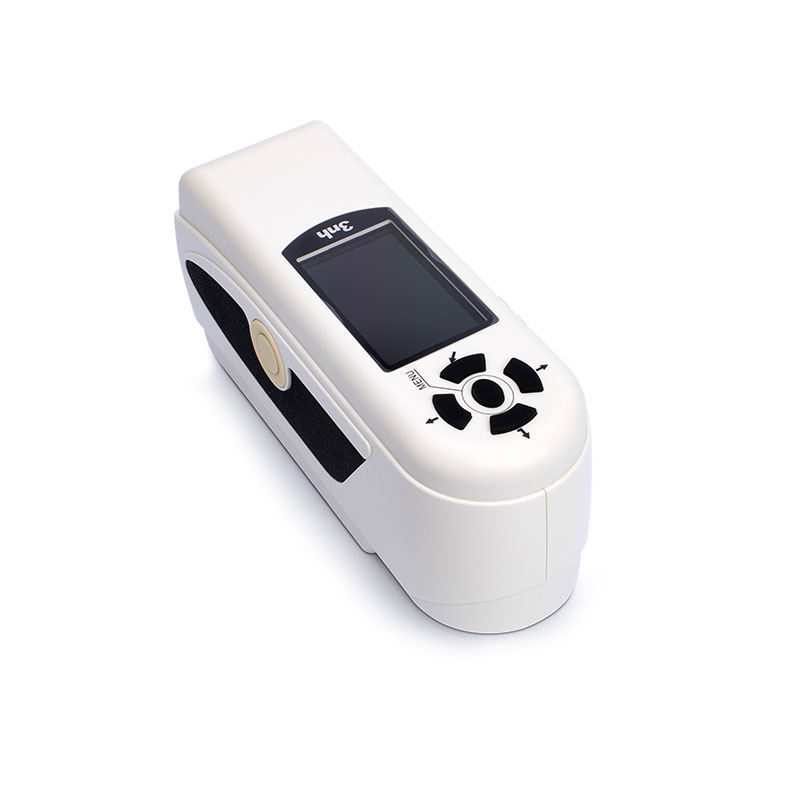
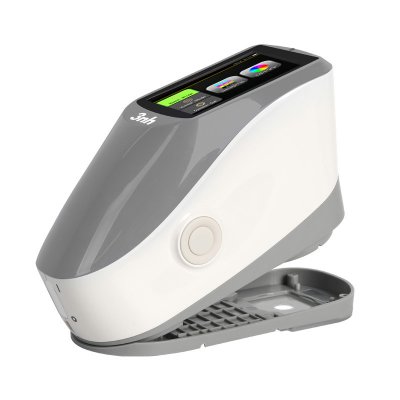
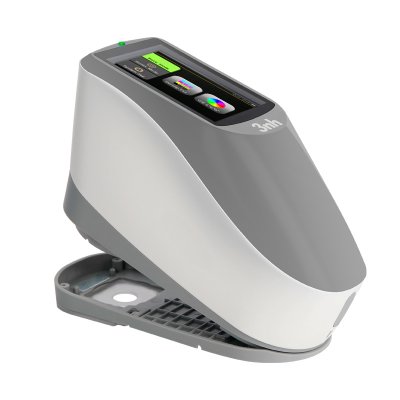
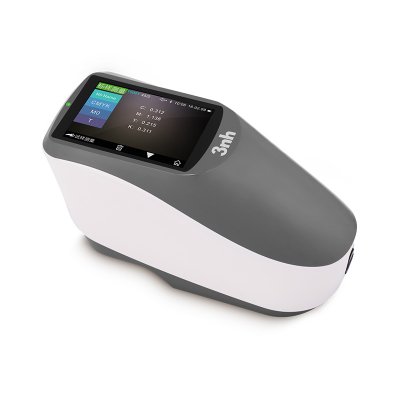
A colorimeter is a quick and inexpensive method to measure color and to control color in a material or solution. It is used to maintain color consistency during production and to check the chemical concentration. It also assists with the quality control of labs, food, textiles, and pharmaceuticals.
The gloss scale is normally measured against the scale of 0 to 100 gloss units (GU). The scale is zero at matte and 100 at a mirror. Other very smooth surfaces can be over 100 GU at lower angles, such as 20°.
A digital coating thickness gauge is used to measure the thickness of dried paint. It measures coating thickness specification non-destructively, helping to maintain consistent quality and performance.
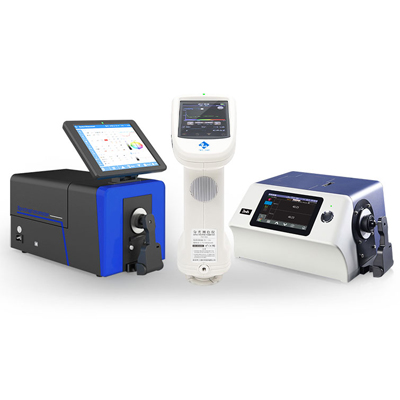
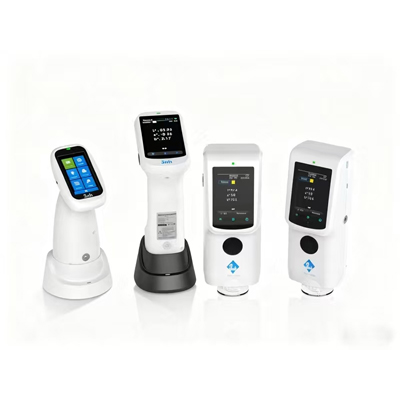
To answer this question, you first need to clarify your specific needs:
Is it for simple color quality control (QC)?
To coordinate with supply chain color management?
To monitor on-line color stability?
Do you require computer color matching or production color correction?
What is your budget?
Systematic supervision and evaluation of color performance in dyed products?
If you aren’t fully clear about your requirements at the initial stage, our color management engineers are ready to communicate with you. We will recommend solutions tailored to your needs. When conditions permit, we can provide prototype demonstrations and trial testing to ensure the instrument meets your practical application requirements.
To quantify color change, take the original L*a*b* values of a sample, and reread after exposure or processing. Compute the difference as 1/2(Emut1 Emut2). The larger the value of ΔE, the more obvious the change of color is, which can be used in quality or stability testing.
D/8°and 45°/0°are two kinds of illumination geometry with different optical geometry design. D/8°illumination geometry is more widely used for the color comparison and measurement of high-gloss materials; 45°/0°illumination geometry is mainly used in printing and packaging industries.
There are many factors that can influence accuracy such as surface roughness, temperature, substrate material, and calibration settings. For ferrous metals, external magnetic fields can also distort measurements. Proper calibration and preparation will help reduce the impact of these factors.