Call Now
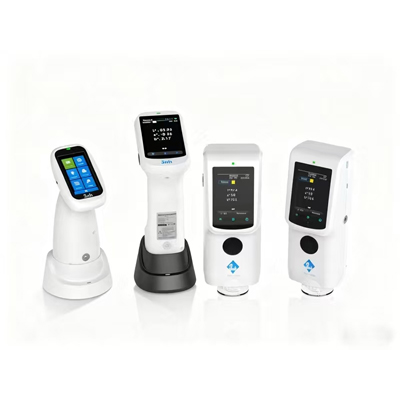
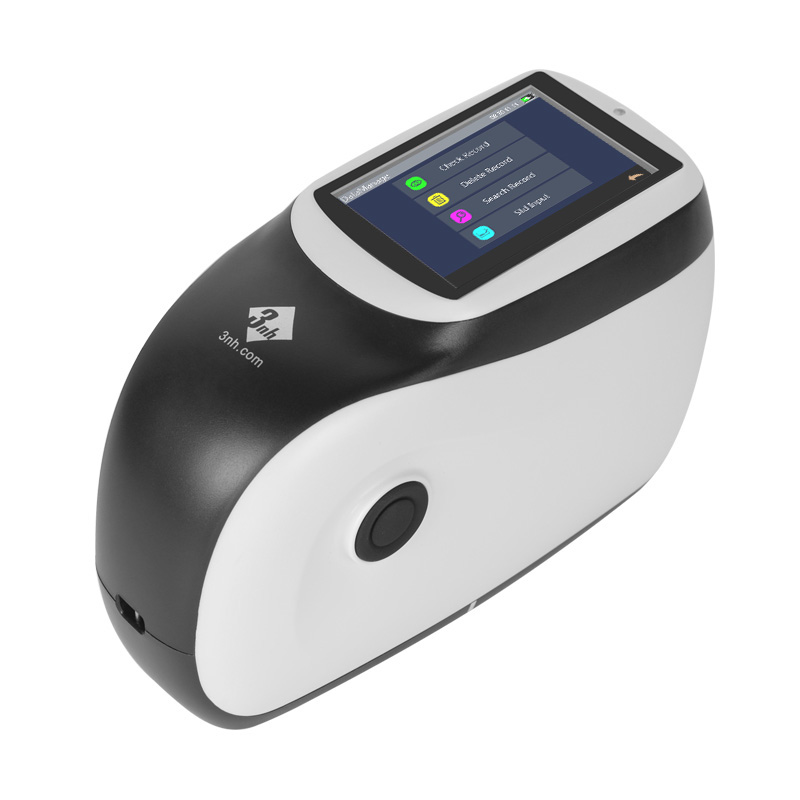
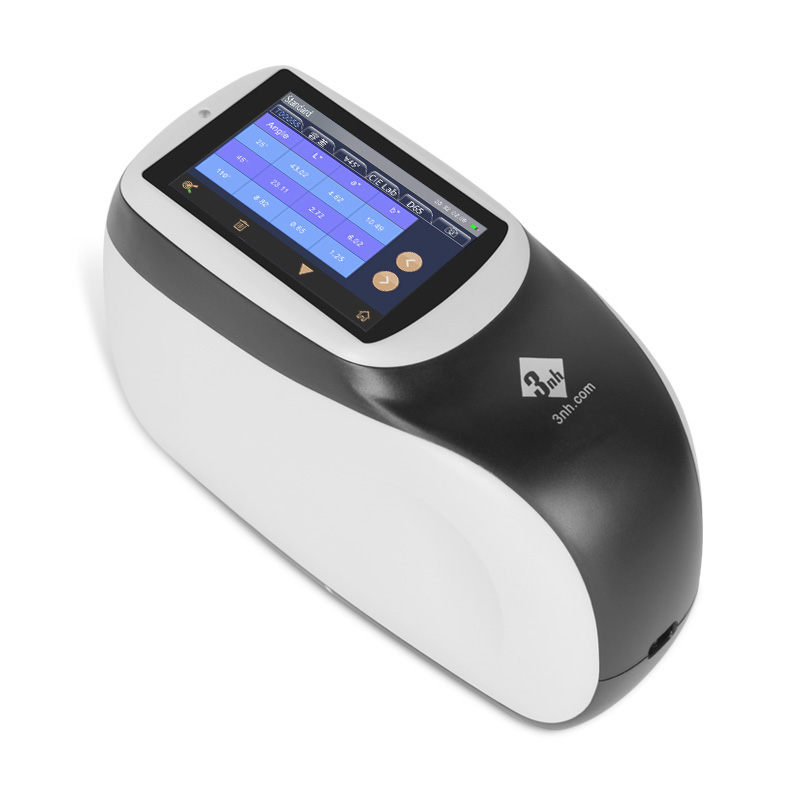
Are you struggling to capture consistent color data for metallic, pearlescent, or effect finishes? Do standard fixed-angle spectrophotometers fail to match real-world viewing scenarios in your production line? The 3nh Multi-Angle Spectrophotometer solves these challenges—becoming the go-to color measurement solution for industries where color accuracy defines success.
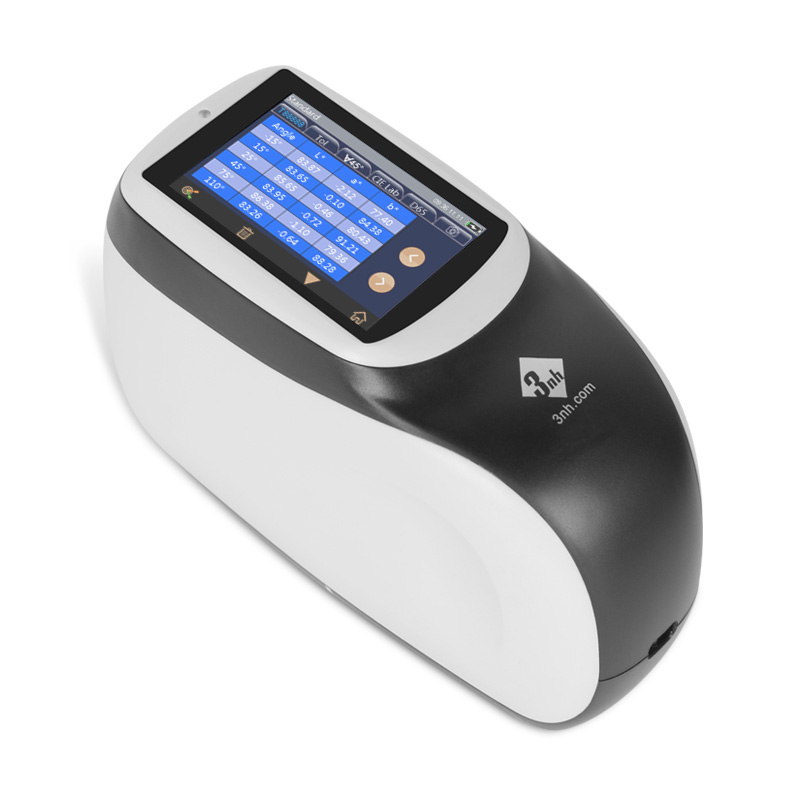
Unlike basic spectrophotometers that only measure color at a single fixed angle, 3nh’s advanced multi-angle design simulates how humans actually perceive color in daily life. This makes it indispensable for materials with angle-dependent color effects (e.g., metallic car paints, pearlescent cosmetics, or iridescent plastic films).
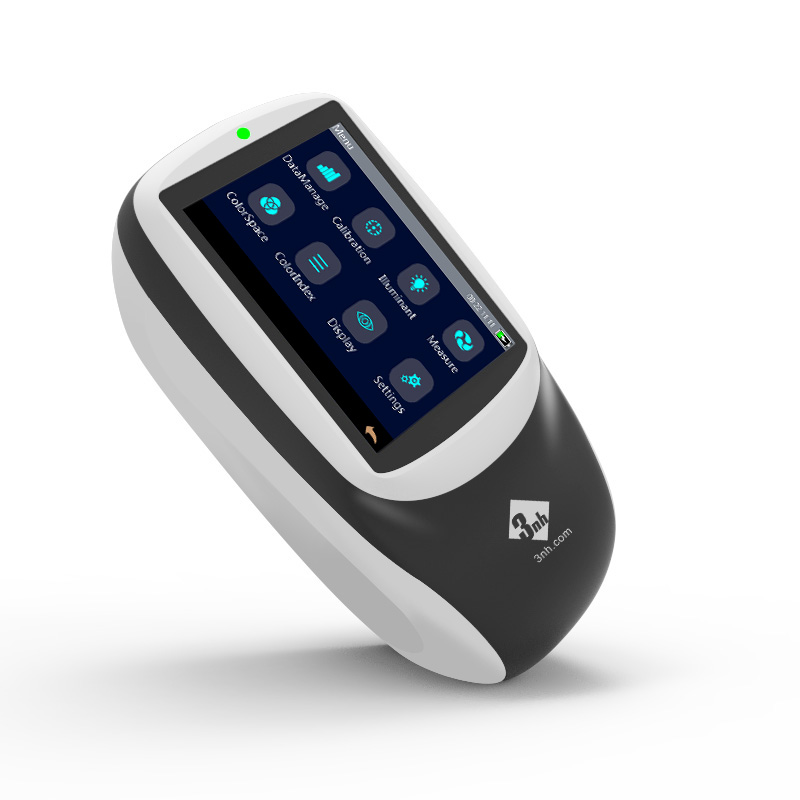
Even with advanced technology, 3nh prioritizes ease of use—so your team can focus on results, not complicated setup:
Built-in tools for color difference calculation (ΔE), data analysis, and custom reporting. Export results in Excel/PDF formats for quick sharing with suppliers or internal teams.
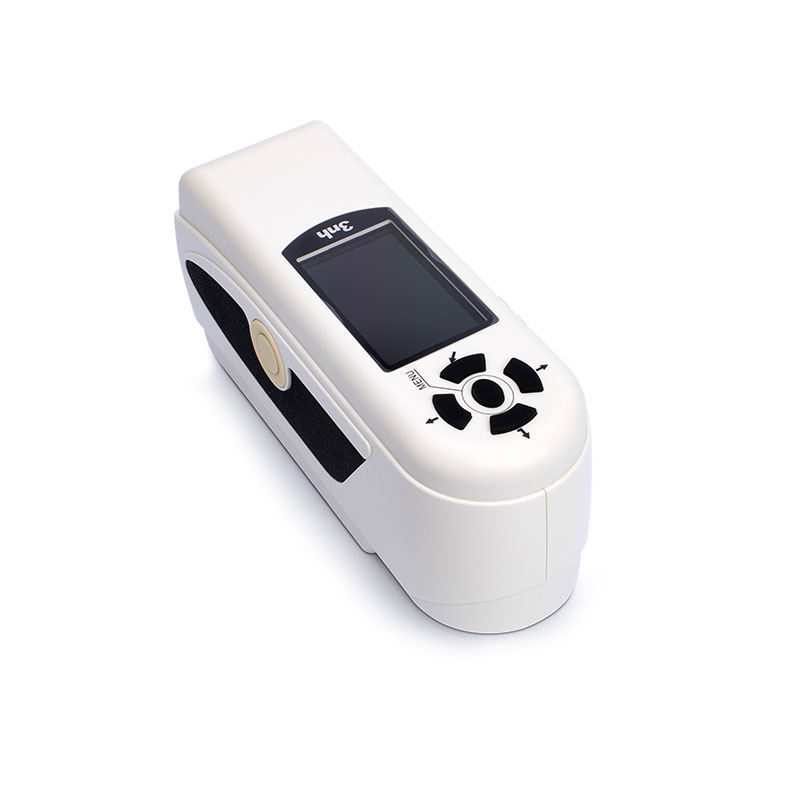
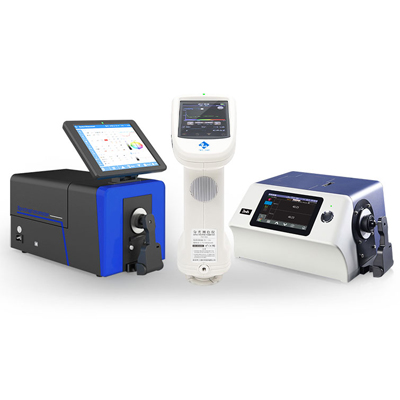
Choose from benchtop or handheld models (depending on your needs) for flexibility—whether testing in a lab or on the production floor.
3nh offers technical support and calibration services worldwide, ensuring your spectrophotometer stays accurate and reliable long-term.
Yes. We can supply OEM and make customized design for any specific application. Our MOQ for OEM and ODM service is 5 pcs for one model. We can not only offer standard machines, but also customized machines. Don’t hesitate to tell us your requirement, we will try our best to meet your needs.
Readings of gloss meters in gloss units (GU) are used to measure shine on the surface. Low GU (0-10) is matte, 10-70 semi-gloss or satin, and above 70 is glossy. Measurement angle is given to the readings: 60° is the normal, 20° is the high gloss, and 85° is the low gloss.
Haze Meters are utilized in production and quality assurance in the plastics, glass, films, and coatings industries, where transparency and example are essential.
Daylight, store light, home light, and UV fluorescence light sources are included in Pantone light boxes as D65, TL84, CWF, A, and UV.
Record the L*a*b values of the sample and the reference with a calibrated spectrophotometer or colorimeter. Compute the difference in the color by use of ΔE. The lower the Delta E, the more accurate the result. The difference in energy, ΔE < 1, is generally assumed to be invisible to the eye.
Gloss is a broad term to describe the reflectivity of a surface. Whereas high gloss is a specific term that has the highest reflectance (usually more than 70 GU). High gloss finishes are shiny, mirror-like, and exhibit more surface blemishes than lower gloss finishes.
A colorimeter is a quick and inexpensive method to measure color and to control color in a material or solution. It is used to maintain color consistency during production and to check the chemical concentration. It also assists with the quality control of labs, food, textiles, and pharmaceuticals.
A calorimeter is used to measure heat that is gained or lost during a chemical or physical reaction. A sample is taken in an insulated container, and a temperature change is measured. This assists in computing the alterations in energy by the equation Q = mcΔT, where Q is heat.
Make sure the light sources are calibrated, keep extraneous light sources away, have the correct viewing angles, and handle the samples in a clean and uniform manner.
Inaccurate color rendering, mismatched results, and noncompliance with ISO 3664 or ASTM D1729 can occur when there are deviations.