Call Now
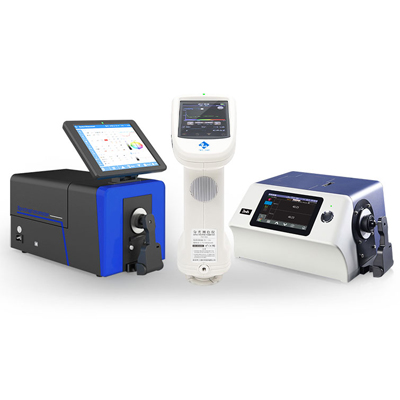
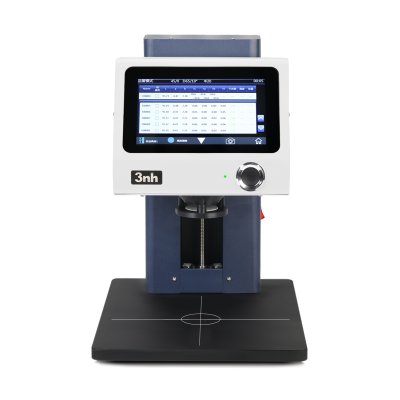
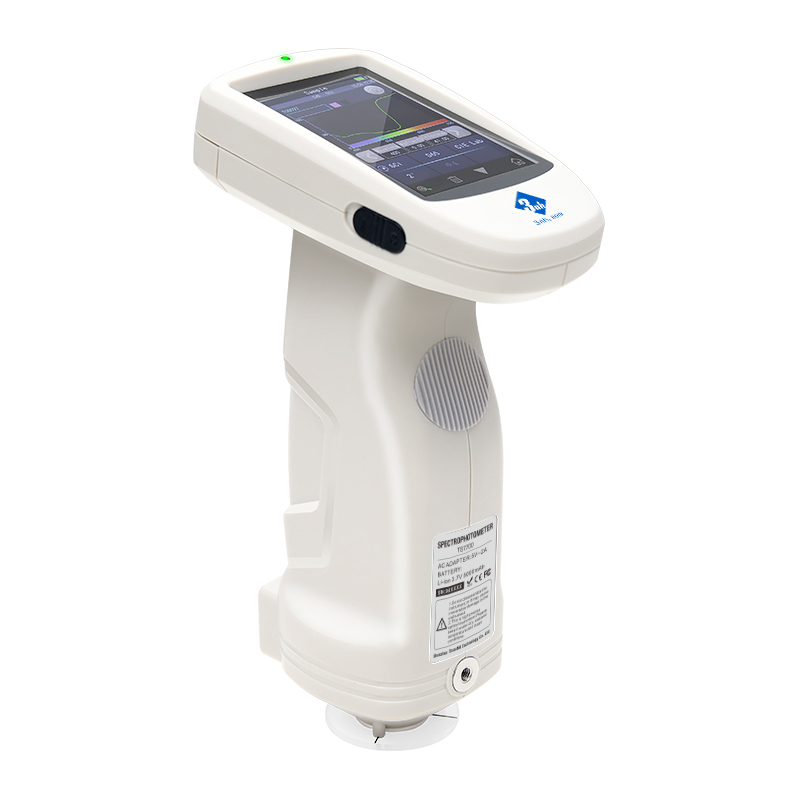
In the study of chemical reactions, calorimetry deals with changes in heat (energy and enthalpy). Spectrophotometry is the measurement of the light absorbance or light transmittance to determine the concentration or color of a solution. The first one monitors the thermal processes, whereas the second one addresses the aspects of light and color.
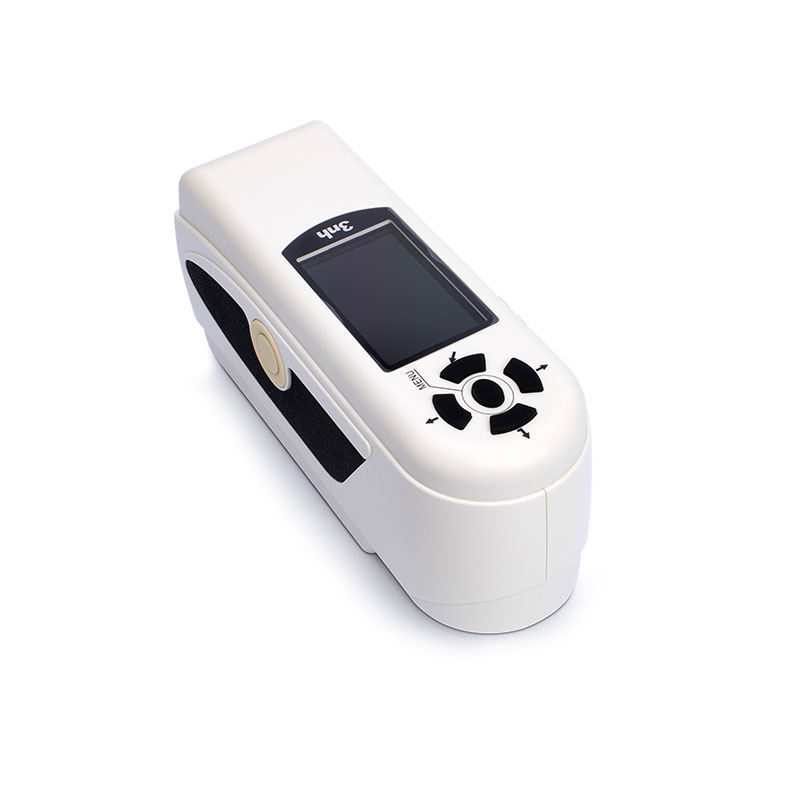
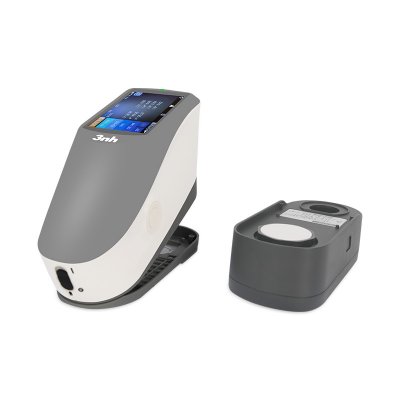
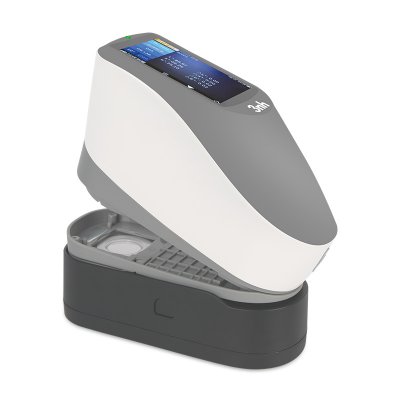
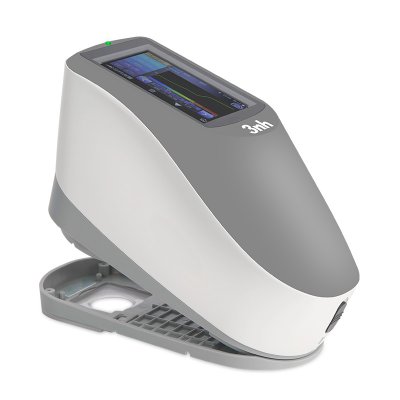
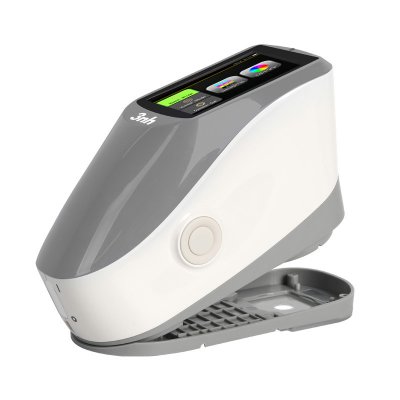
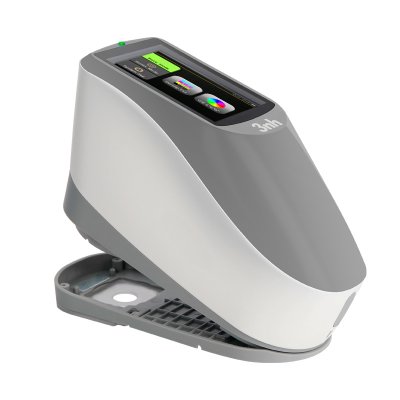
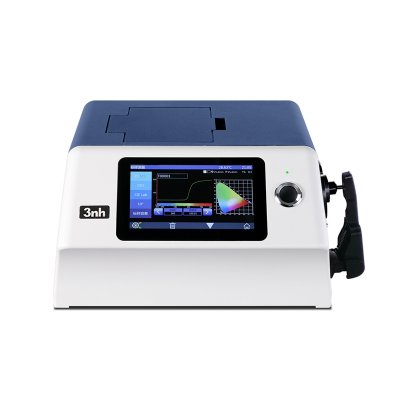
SCI&SCE are two method in the color measurement. SCI means Specular Component Include,SCE means Specular Component Exclude.
Under the method of SCE, only test diffuse refection and exclude specular reflection. In that way, the test result is similar to object color was observed by human eyes.
Under the method SCI, both the diffuse refection and specular reflection will be included. In that way, the value about the color is more objective. It will not effect by the environment condition.
When we choose the instrument, those elements should be taking into consideration.
The gloss meter is used to measure the gloss level: it is a device that directs the light at a fixed angle and reads the intensity of the reflected light. The angles, such as 60°, 20°, or 85°, are applied depending on the type of surface and the range of gloss.
There is no generic mathematical formula for gloss value. Rather, it is measured directly with a gloss meter, which compares how strongly reflected light from a sample matches a standard (typically black glass with a known reflectance).
Now our testing machines have been sold to more than 80 countries, like USA, Canada, Russia,UK, Italy, Germany, European , India, Pakistan, Philippine, Singapore, Malaysia,Thailand , Vietnam, Korea,Saudi Arabia,Brazil...and so on. We sell to the global market.
With centers in 20 countries, including India, Japan, USA, Germany, Singapore, China, South Korea, and Taiwan, Threenh Technology’ s service network aims to provide customers with convenient access to service globally. With over 1 million measuring instruments sold, our expertise is our greatest asset, enabling us to work with our customers on solutions to complex measurement challenges.
To ensure a consistent color perception, observers should look at samples at a 45° light angle and 0° viewing angle to reduce glare.
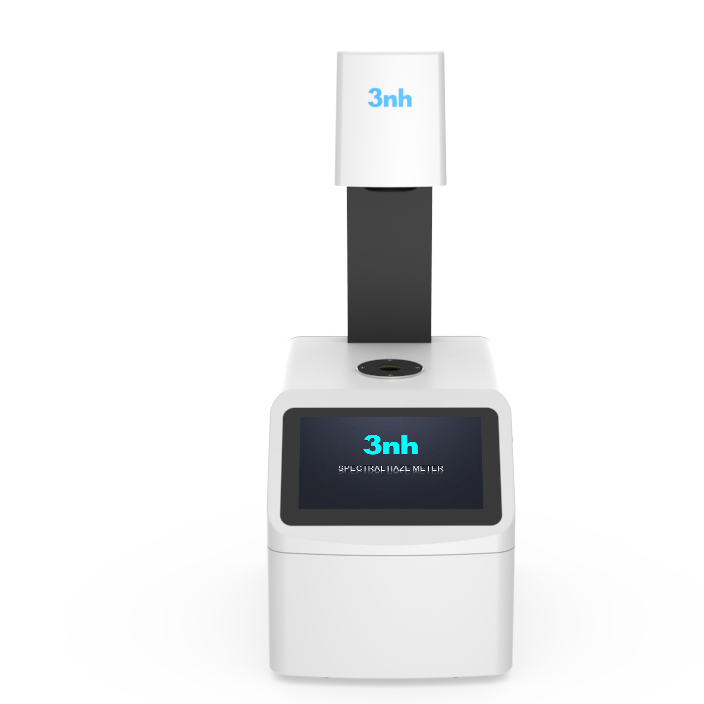
Pick a haze meter that correlates with your materials, precision needs, and applicable testing protocols. For lab-level precision, a bench-top version is advisable; for a rapid field check, a portable haze meter is appropriate. International standards must be met at all times.
Zero calibration of a hazemeter is a critical pre-measurement procedure to ensure the instrument’s accuracy by resetting its baseline to "zero" when no haze or light attenuation is present.
Align the hazemeter’s measurement window with air or a black background, ensuring no objects block the window.
Press the hazemeter’s zero calibration button and wait for the instrument to complete automatic calibration. At this point, the instrument should display a zero haze value and a zero light transmittance value.
Observe the instrument’s display to confirm the zero calibration result stabilizes near zero. If the zero calibration is inaccurate, repeat the above steps multiple times until the displayed haze and light transmittance values stabilize near zero.
Perform 0-degree calibration before testing, this eliminates inherent instrument drift, environmental interference, or residual signal errors, ensuring subsequent measurements of transparent/translucent samples (e.g., plastic films,pvc, glass, coating, displays and cosmetic packaging) are reliable. Correct for minor instrument deviations caused by long-term use, temperature changes, or power fluctuations.
The most common standard measuring gloss is ASTM D523, which covers the procedures of using a gloss meter at 20°, 60°, and 85° angles. The other international standard that is widely used in industrial and laboratory applications is the ISO 2813.
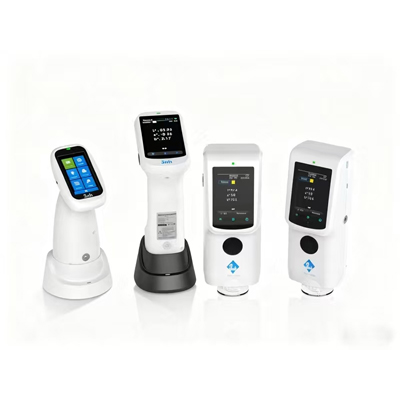
The concentration of colored compounds in a solution is determined by the use of a colorimeter test. It can be used to measure the quality of the product. The colorimeter test determines the presence of contamination or observes chemical reactions by measuring the extent to which a solution absorbs light at a given wavelength.