icon

Call Now

86-755-26508999

icon

Email

tilo@3nh.com

icon

Time

8:00 AM - 5:30 PM (GMT+8)

Message

Consultation

About Us

3nh specializes in high-precision color measurement instruments, including colorimeters, spectrophotometers, and haze meters, serving industries like textiles, plastics, and coatings. With innovative R&D and global reach, we deliver reliable solutions for color management and quality control, trusted by customers in over 80 countries.

Products

Products Frequently Ask Questions

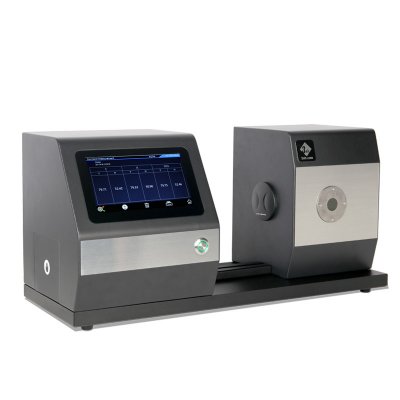
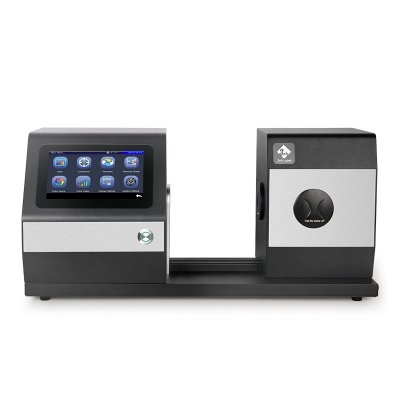
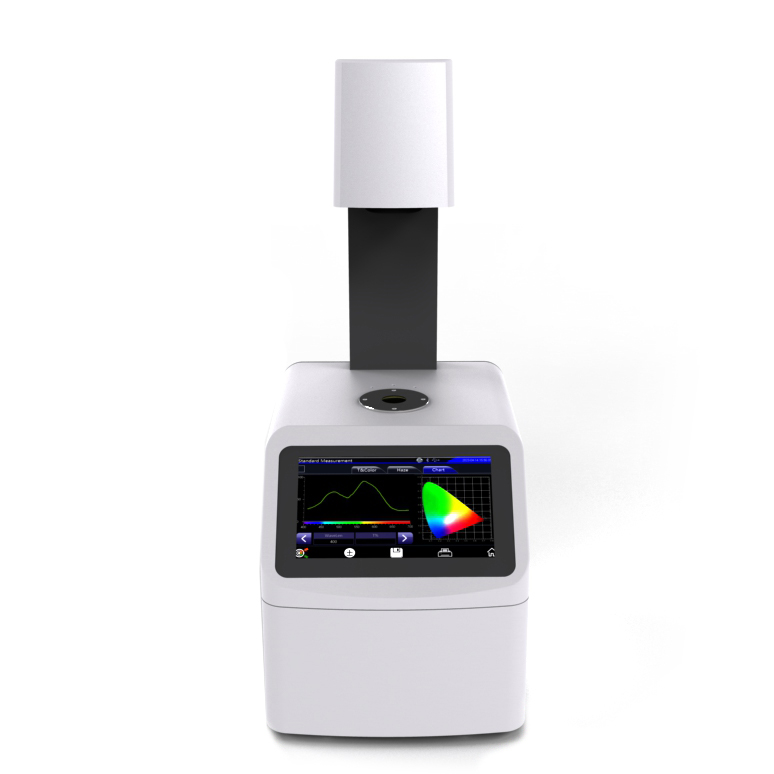
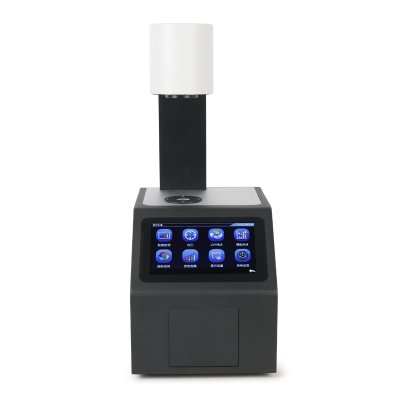
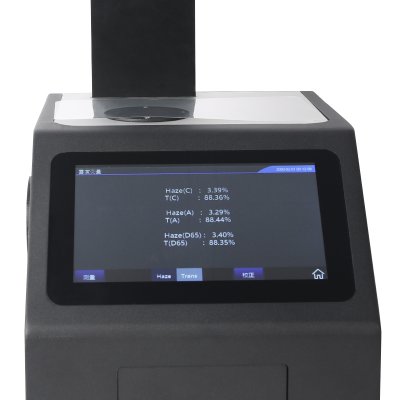
Inconsistent results from a haze meter can stem from issues like calibration, dusty haze meter optics, inadequate power supply, and improper measurement technique. If you have any questions, you can contact our Haze measurement experts


In industrial production and quality control, color consistency is one of the core elements determining product quality. Whether it is the metallic paint for automobile coating, the dyeing effect of textile fabrics, or the ink matching in packaging and printing, subtle color deviations may lead to cost waste or damage to brand image.

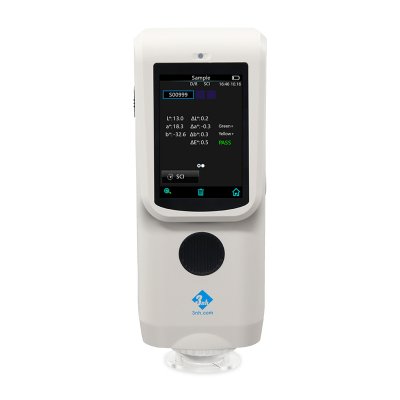
The LAB color space defines colors with a three-dimensional model:

  1. Lightness (L): It indicates the lightness or darkness of a color, ranging from 0 (pure black) to 100 (pure white).

  2. Hue and Saturation (a and b):

    • The a-axis represents the red-green tendency, with positive values leaning towards red and negative values leaning towards green;

    • The b-axis represents the yellow-blue tendency, with positive values leaning towards yellow and negative values leaning towards blue.

It is a globally recognized standard and supported by most modern color measurement equipment. Color is quantitatively analyzed by measuring Lab values with instruments.


The CCC is much like the CAC yet it frequently has advanced programmable lighting, sophisticated electronic control systems that allow for light source switching, and advanced visual testing.


Lightbooths come in different dimensions. A typical tabletop model occupies 0.5-1 m². The bigger industrial variants take up 2-4 m².  If you have special requirements, we can customize the product according to your size


 Inquiry - quotation - communication - order confirming - deposit payment - production - testing and debugging - balance payment - packing - delivery - customer receiving - after service. 

The gloss meter is used to measure the gloss level: it is a device that directs the light at a fixed angle and reads the intensity of the reflected light. The angles, such as 60°, 20°, or 85°, are applied depending on the type of surface and the range of gloss.


Follow the calibration steps form 3nh. Don’t touch the sample and drop the measurement light to eliminate external light.


Standard light sources make sure that the results of color evaluations are comparable and consistent, no matter when and where the assessments are made, or the varying production runs.


The number of reflected light is a measure assigned by a gloss meter as a gloss unit (GU). It is a normalized quantity in which 100 GU is normally a perfect reflection at 60°, and 0° GU is a full diffusion.


Always a pre-production sample before mass production; Always final Inspection before shipment;