Call Now
Accurate readings can be obtained by keeping the sample clean, regular calibration, control of ambient light and appropriate measurement settings.
The most important equation is A = 2εcl, where A is the absorbance, 2 is a constant, ε is the molar absorptivity (L/mol cm), c is the concentration (molL-11), and l is the path length (cm). This can be used to relate the absorbance to the concentration, allowing quantification through colorimetric assays.
Colorimetry is a method that applies color intensity to ascertain the chemical concentrations. It is founded on Beer-Lambert Law, whereby the absorbance at a given wavelength is proportional to the concentration. It is popular in environmental and biochemical testing.
Samples should be cleaned, dried, and scratched-free to obtain consistent haze measurements.
The automotive, aerospace, metal finishing, marine, construction, and manufacturing industries utilize and rely on coating thickness gauges the most. They ensure that coatings are within the expected criteria for functionality, safety, and durability.
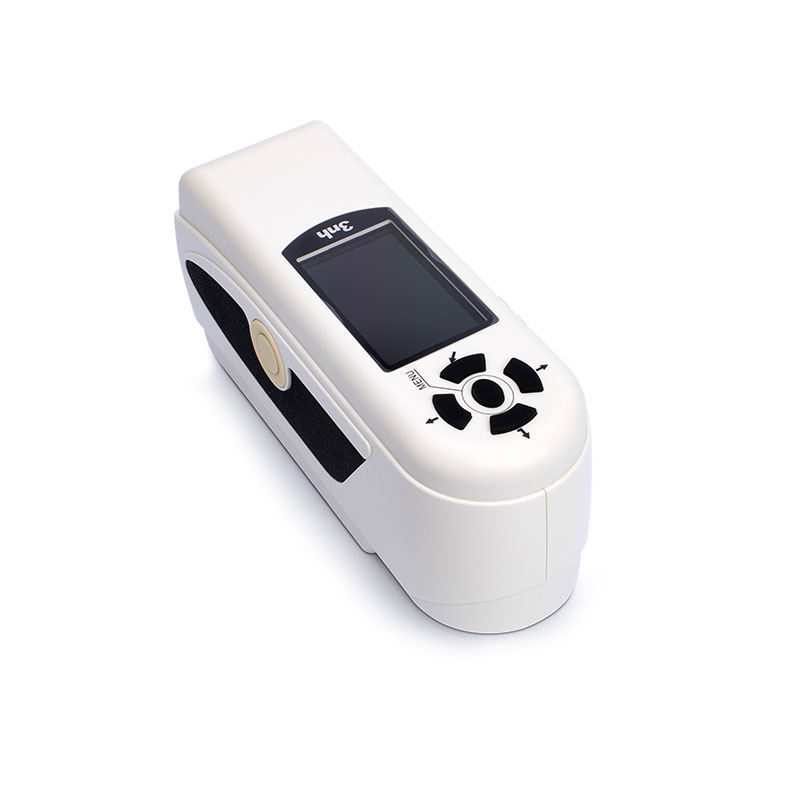
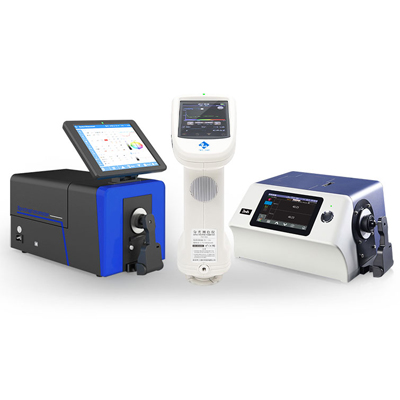
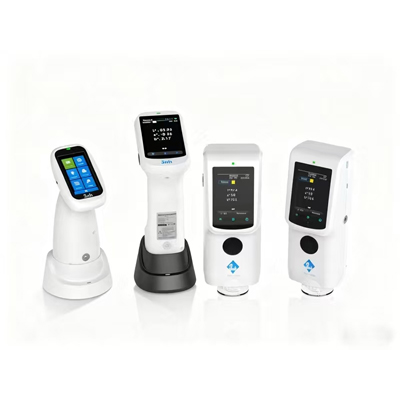
The main instruments used to detect color are spectrophotometers and colorimeters (including photoelectric integrating colorimeters).
Spectrophotometer: High-precision option. It analyzes the full visible light spectrum to measure color accurately. Suitable for complex scenarios like textured surfaces, special effect colors, or batch consistency checks in industries such as paint and coatings.
Colorimeter (Photoelectric Integrating Colorimeter): Cost-effective and portable. It uses RGB filters to measure tristimulus values directly. Ideal for quick color difference detection in simple applications. Key Selection Tip Choose based on accuracy needs: use a spectrophotometer for high-precision color measurement, and a colorimeter for fast, basic color difference checks.
Gloss is a broad term to describe the reflectivity of a surface. Whereas high gloss is a specific term that has the highest reflectance (usually more than 70 GU). High gloss finishes are shiny, mirror-like, and exhibit more surface blemishes than lower gloss finishes.
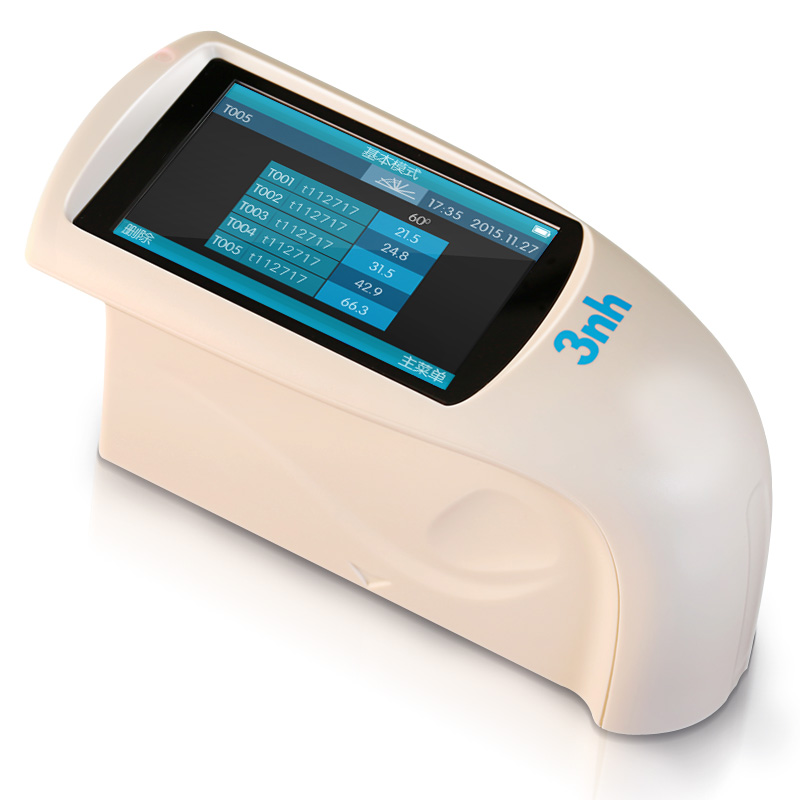
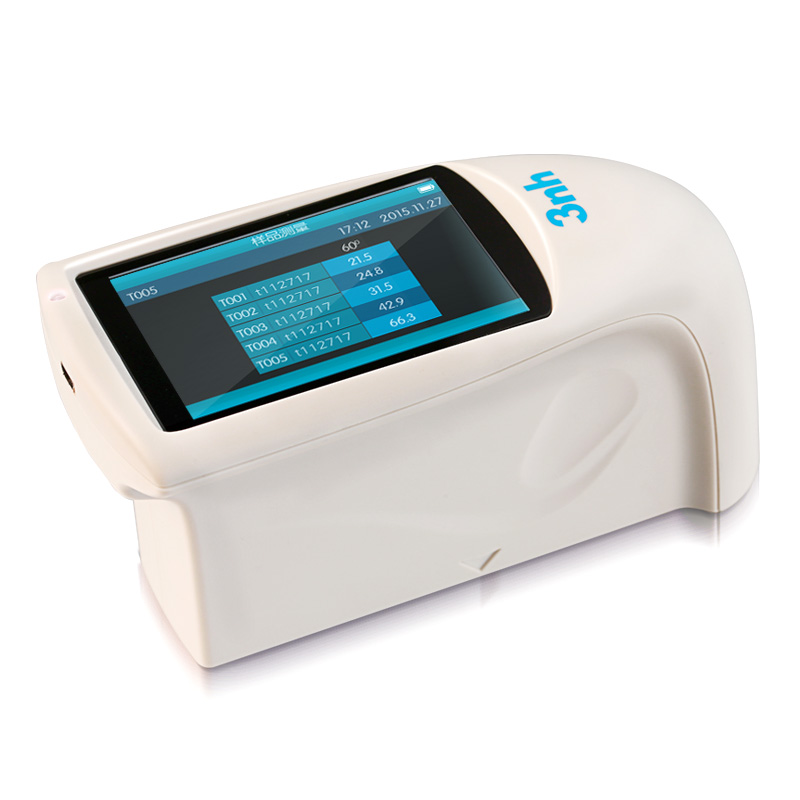
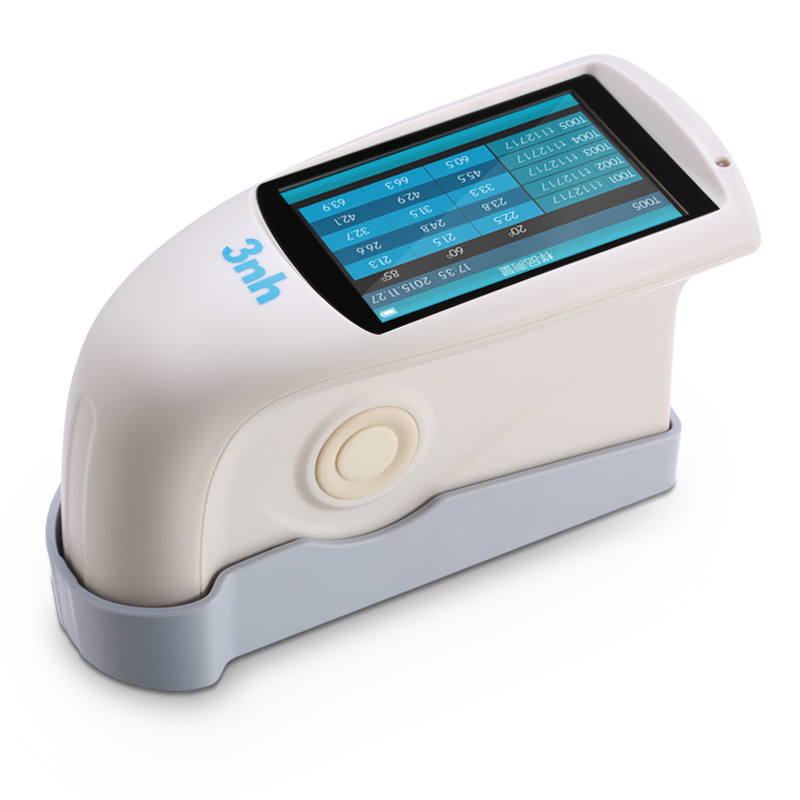
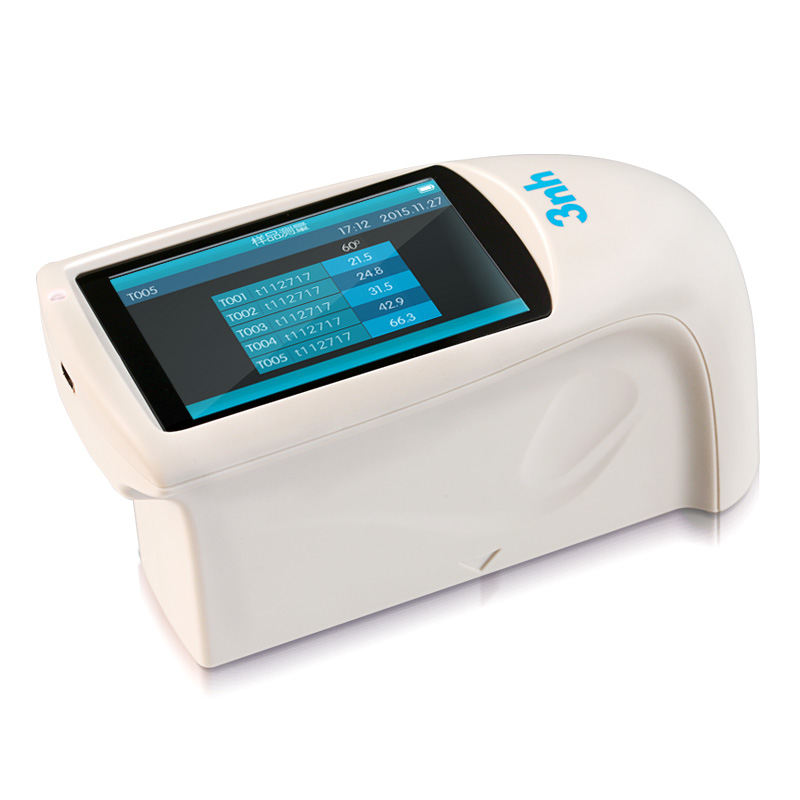
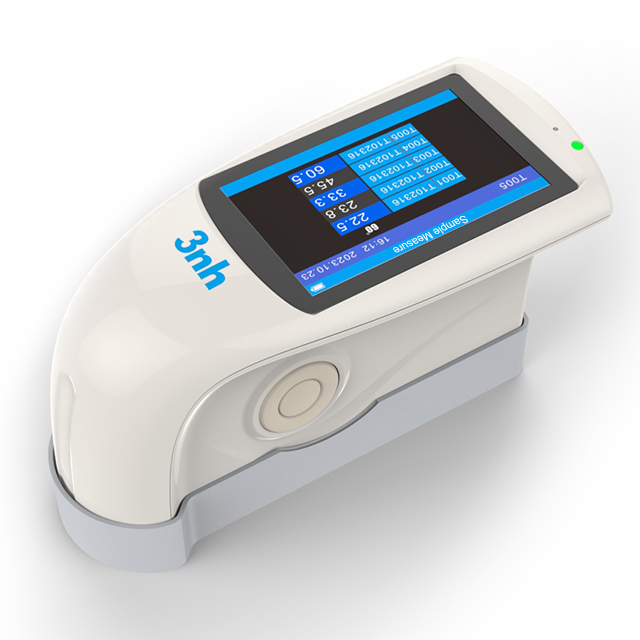
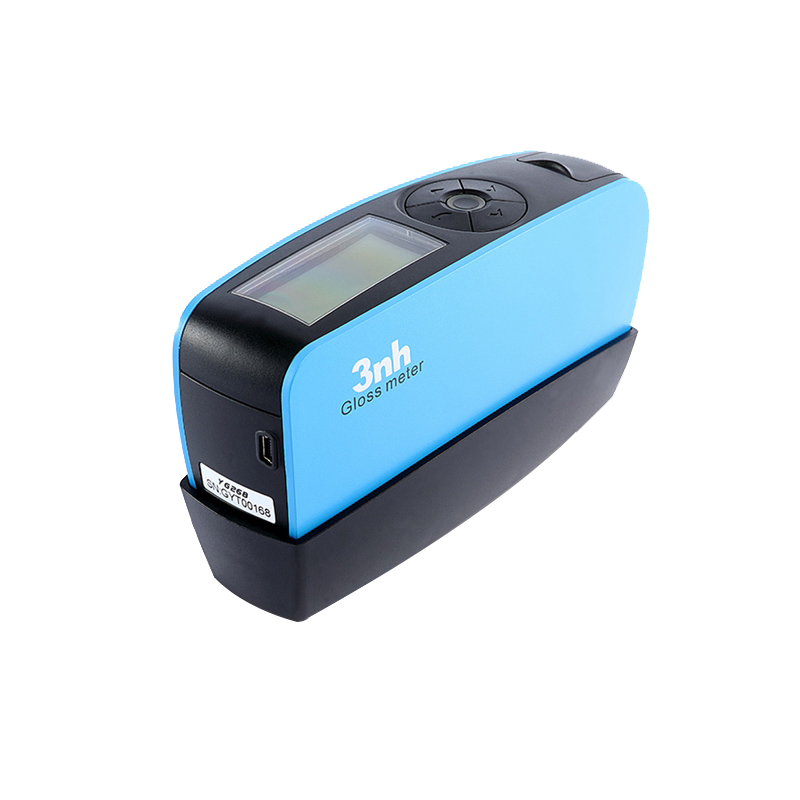
A gloss test gauges the reflective quality of a surface by casting light at a fixed angle and measuring the amount reflected. It defines the level of shine or dullness of a surface, and it is very crucial in coatings, automotive, and product finishing
Inquiry - quotation - communication - order confirming - deposit payment - production - testing and debugging - balance payment - packing - delivery - customer receiving - after service.
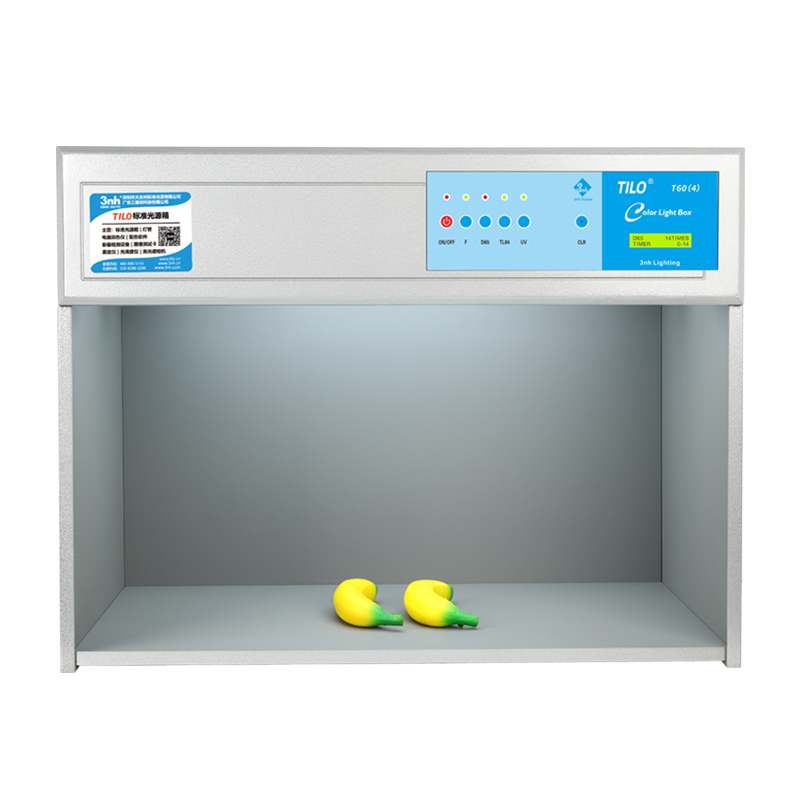
The color measurement test applies a colorimeter or spectrophotometer to evaluate the way a sample reflects or absorbs light. It is given in objective color values (L*a*b*, RGB, or absorbance) and is usually contrasted to a standard in quality control or compliance.