Call Now
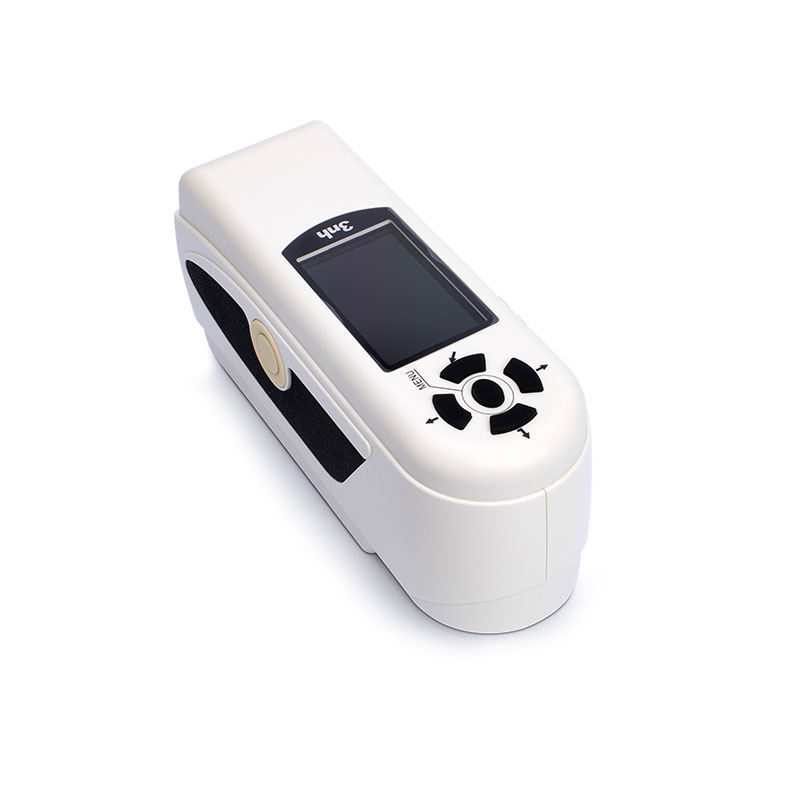
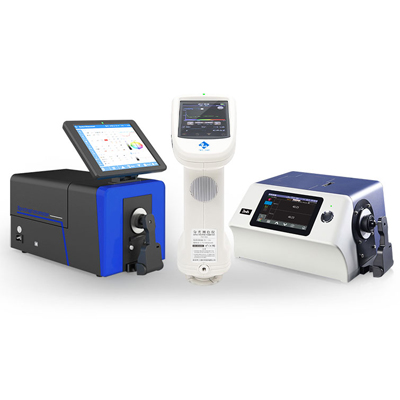
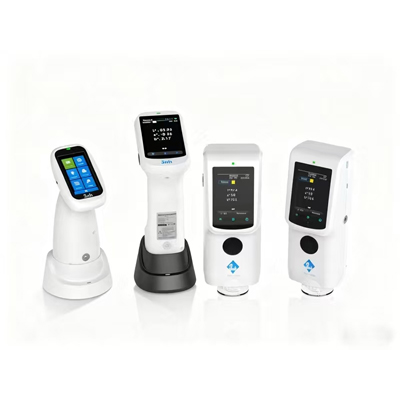
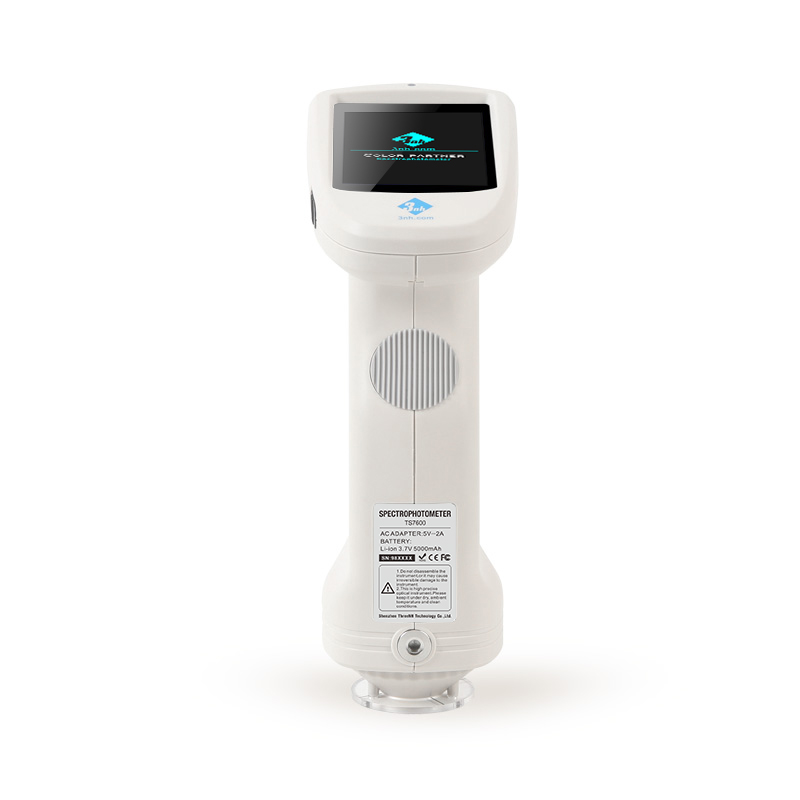
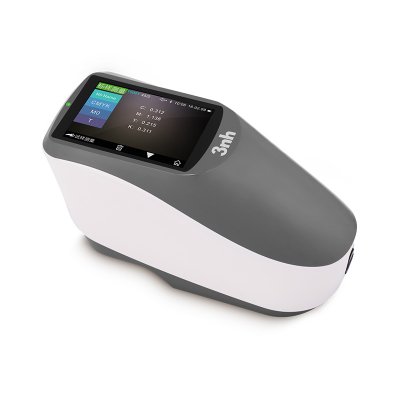
High Measurement Accuracy and Stability: Low ΔE fluctuation (e.g., NH300: ΔE < 0.07; NR10QC: ΔE ≤ 0.03 short-term repeatability); Reliable sensors (CMOS dual-beam/silicon photodiode) and long-lasting light sources (1.6M–3M measurements over 5 years).
User-friendly Design and Convenient Operation: Intuitive interfaces (e.g., NH300’s “fool-proof” operation), auto-calibration, and ergonomic grips for extended use; Versatile positioning (light/cross alignment) for precise measurements.
Robust Design: Our colorimter instruments are designed to withstand rigorous use, providing long-term reliability. Rechargeable lithium batteries enable 5,000–6,000 measurements per charge (e.g., NH300/TS7030), ensuring cost-effective durability.
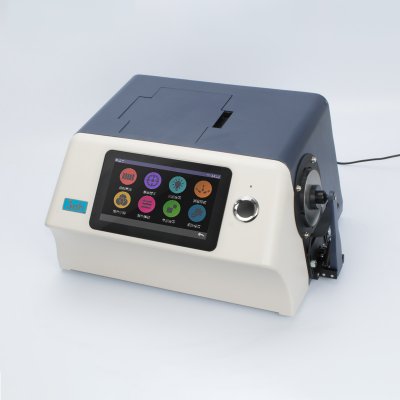
PC Software Support for Functionality Expansion: PC software (e.g., CQCS3) supports color difference analysis, chromaticity indexing, and sample library management.
Global customer support: Our global presence across regions ensures you get the service and maintenance support you need to keep your instrument at peak performance.
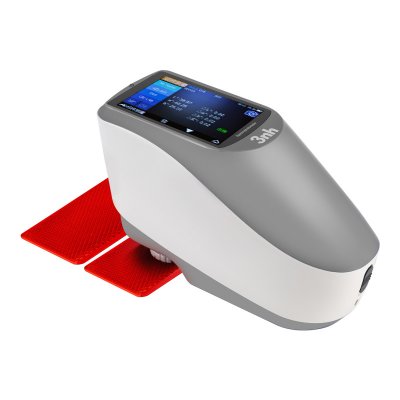
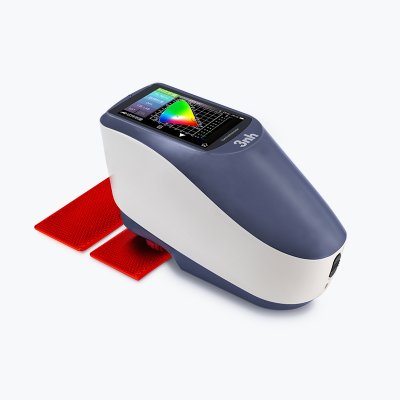
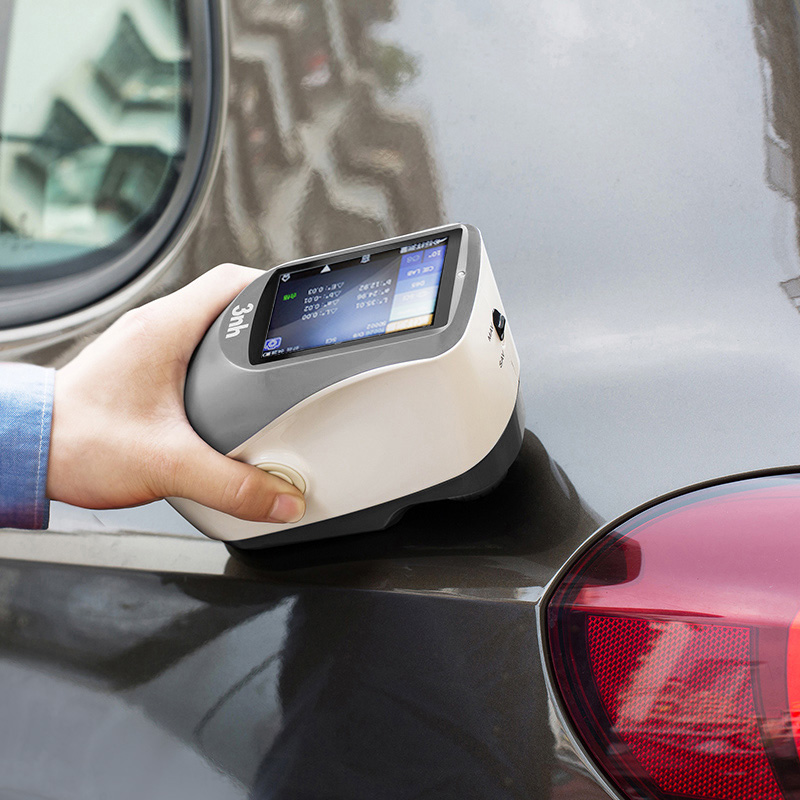
Multiple Measurement Apertures and Application Scenarios: Multiple measurement apertures, different models have different measurement apertures and some models offer multiple optional apertures. Applicable to plastic electronics, paint and ink, textile and garment printing and dyeing, printing, ceramics, automotive, food, medicine and other industries for color quality control and color difference detection.
A powder coated surface is most commonly measured for thickness post curing using a digital coating thickness gauge. This method is non-destructive, helps verify coverage uniformity and meets quality control standards. A powder comb gauge is used to estimate thickness for a pre-cured coating.
The LAB color space defines colors in a three-dimensional model: Lightness (L), red–green axis (a), and blue–yellow axis (b). It's a globally recognized standard supported by most modern color measuring devices. CIELAB is a standardized, device-independent system designed to map all visible colors that the human eye can perceive.
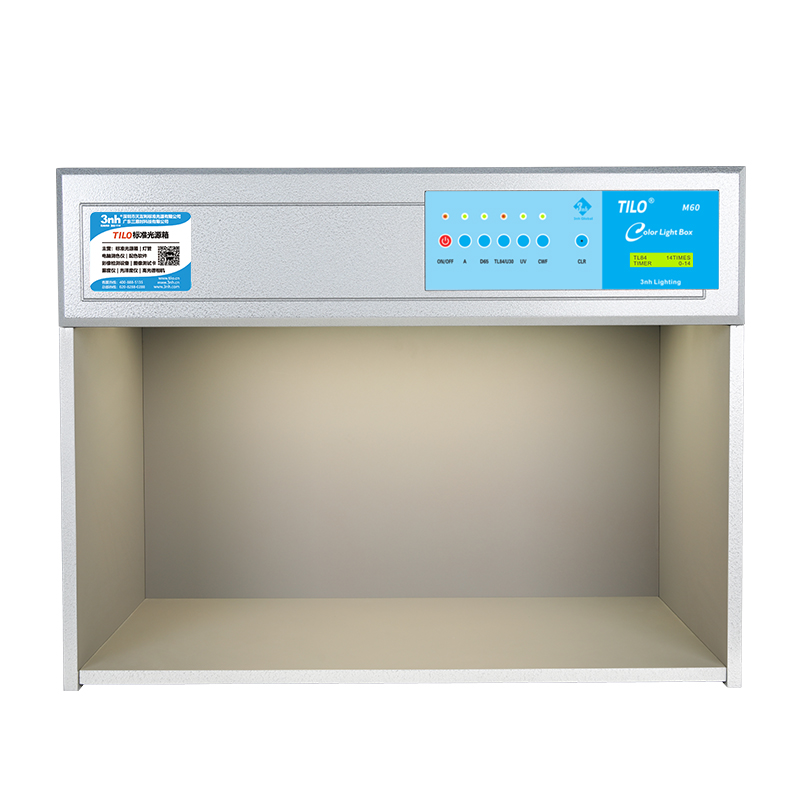
Inaccurate color rendering, mismatched results, and noncompliance with ISO 3664 or ASTM D1729 can occur when there are deviations.
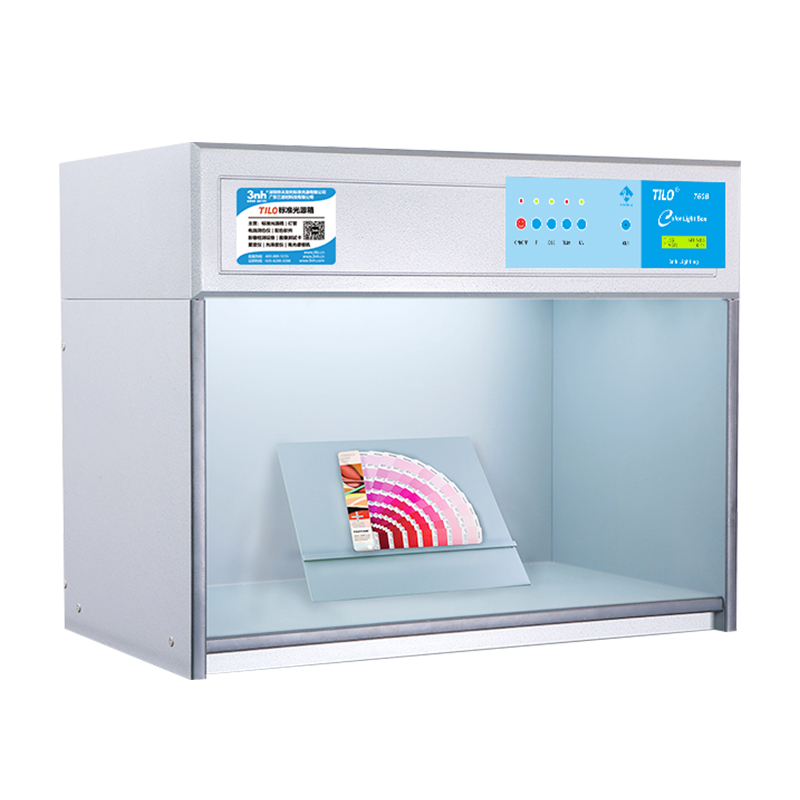
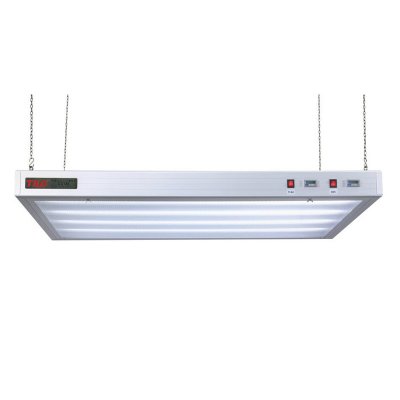
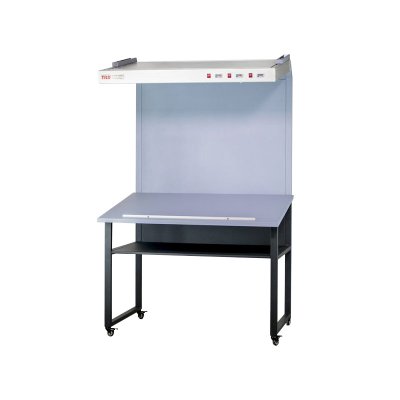
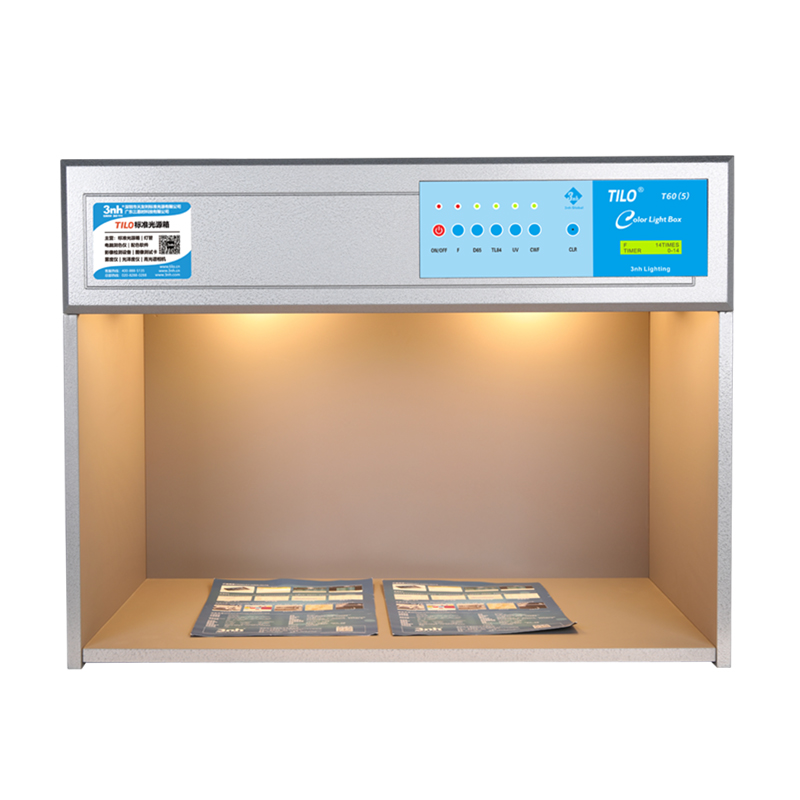
To keep the light box calibrated and to ensure accurate and steady lighting, clean the inside, replace the lamps when needed, check the calibration and record the hours use
Gloss is a broad term to describe the reflectivity of a surface. Whereas high gloss is a specific term that has the highest reflectance (usually more than 70 GU). High gloss finishes are shiny, mirror-like, and exhibit more surface blemishes than lower gloss finishes.
There is no generic mathematical formula for gloss value. Rather, it is measured directly with a gloss meter, which compares how strongly reflected light from a sample matches a standard (typically black glass with a known reflectance).
Haze measurement can be distorted by scratches on the surface, dust, temperature, and light.
Always a pre-production sample before mass production; Always final Inspection before shipment;
Colorimetry is a method that applies color intensity to ascertain the chemical concentrations. It is founded on Beer-Lambert Law, whereby the absorbance at a given wavelength is proportional to the concentration. It is popular in environmental and biochemical testing.