Call Now
The best tool for measuring clear coat thickness is an ultrasonic coating thickness gauge. It is capable of measuring the thickness of each layer of paint on the vehicle, even the clear coat. This is common in automotive refinishing and inspection.
Yes, we warmly welcome and sincerely invite you or your team to visit our factory, we will help to arrange hotel and pick up you from airport.
Colorimeters or spectrophotometers are used to measure liquid color. They measure light coming through or reflecting off the liquid. Readings can be reported as Lab*, RGB, or absorbance units. So that objective color analysis can be used to control quality, or to measure chemical concentration.
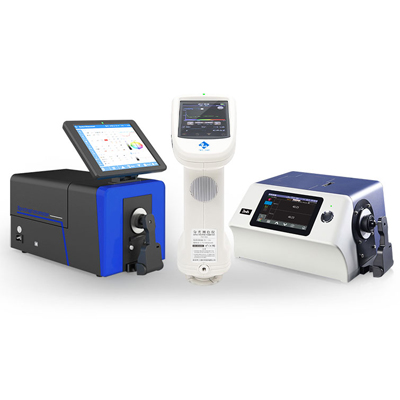
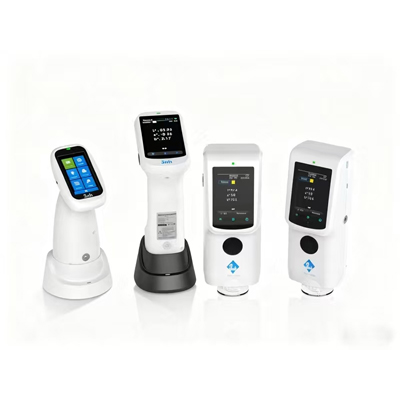
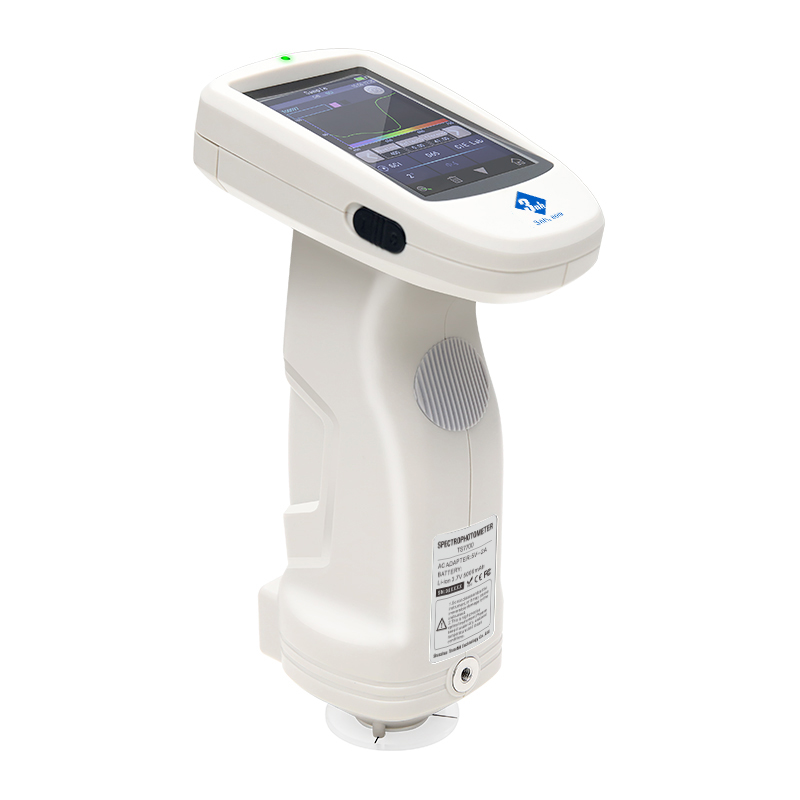
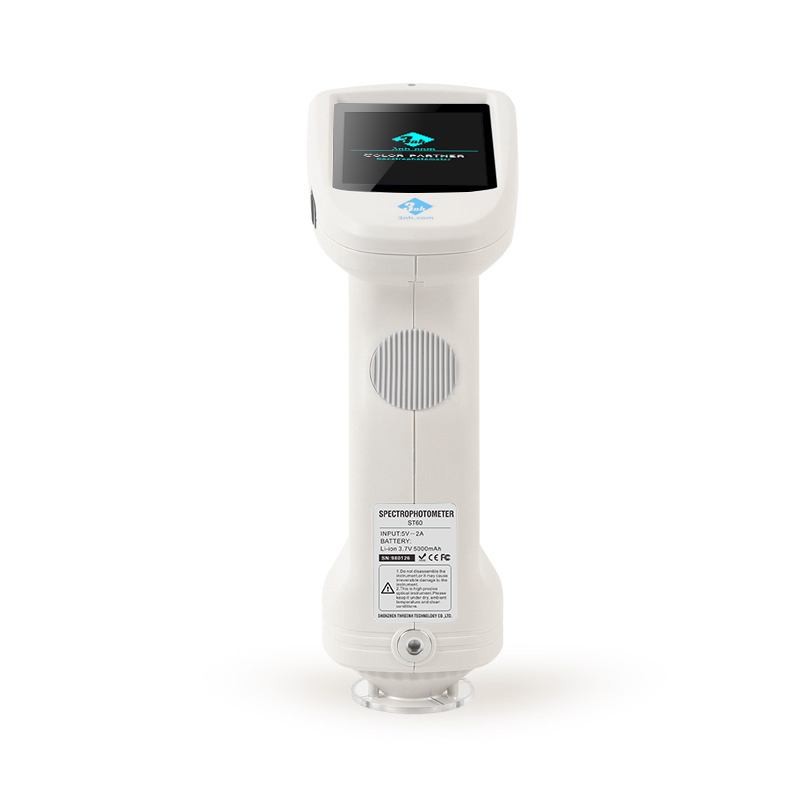
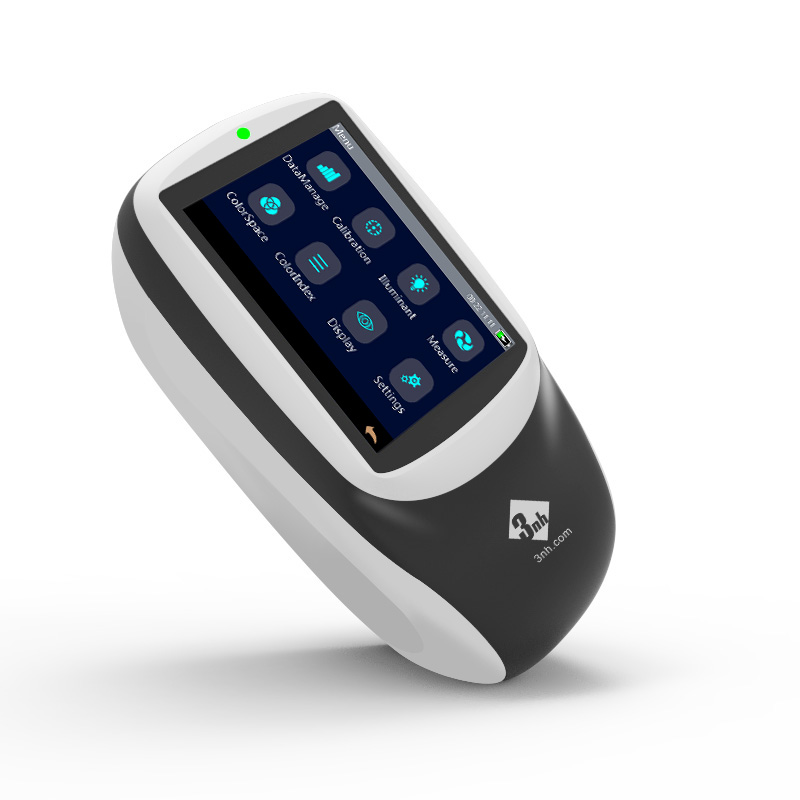
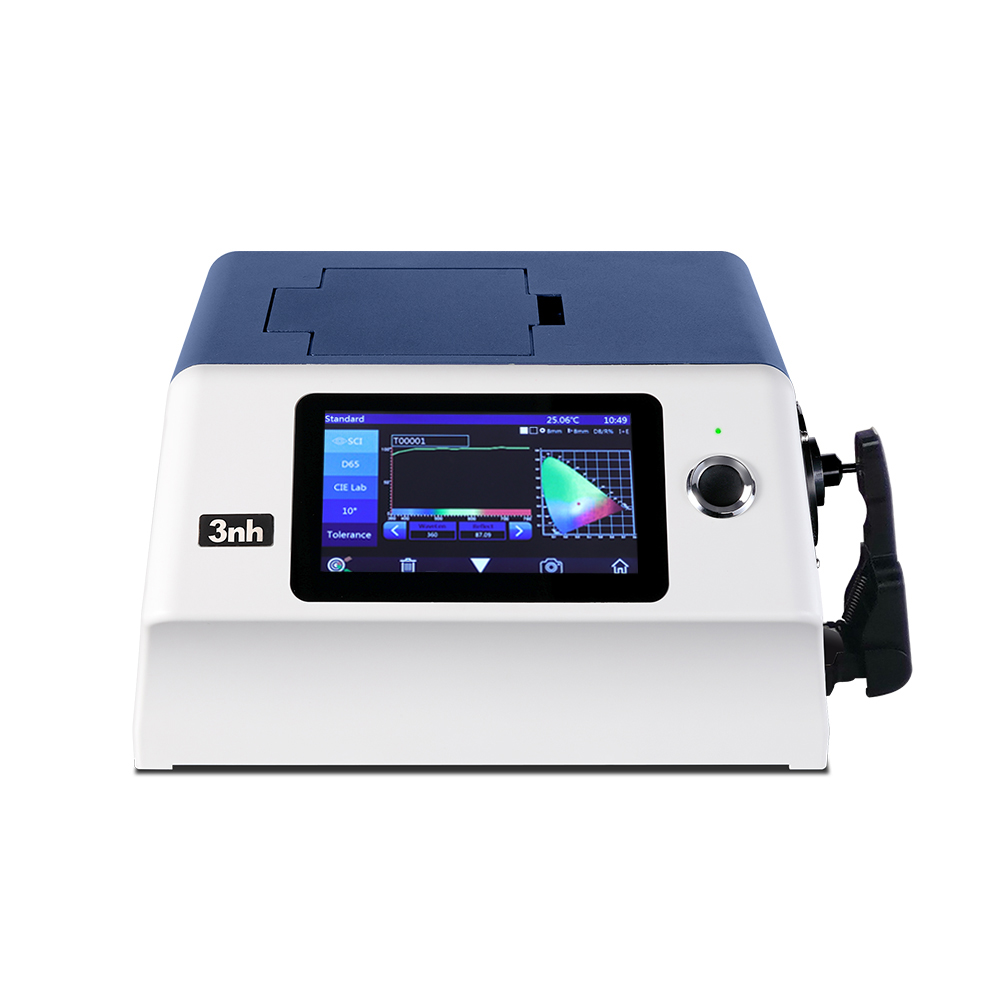
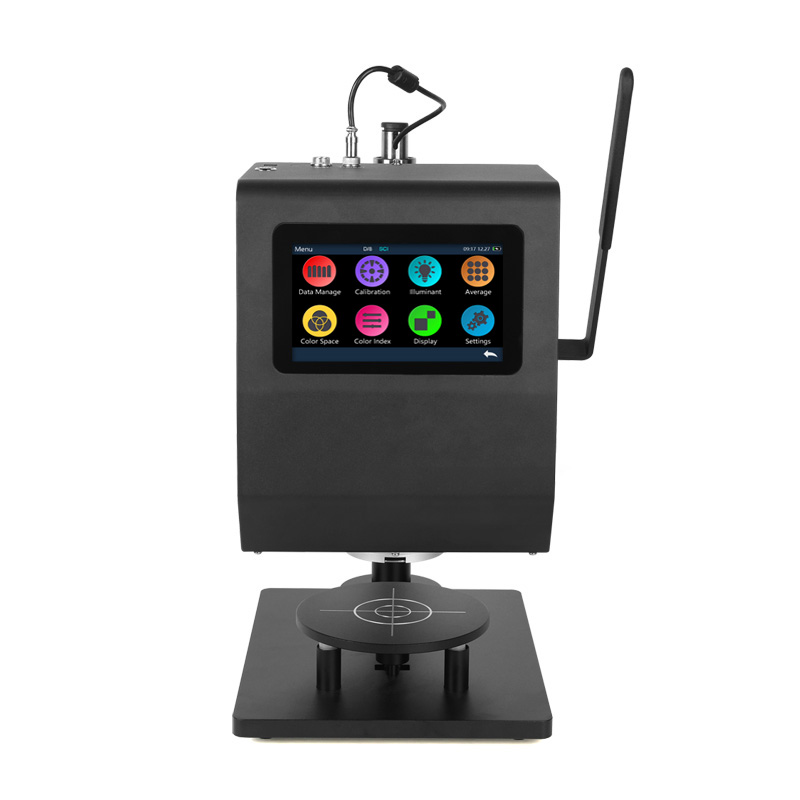
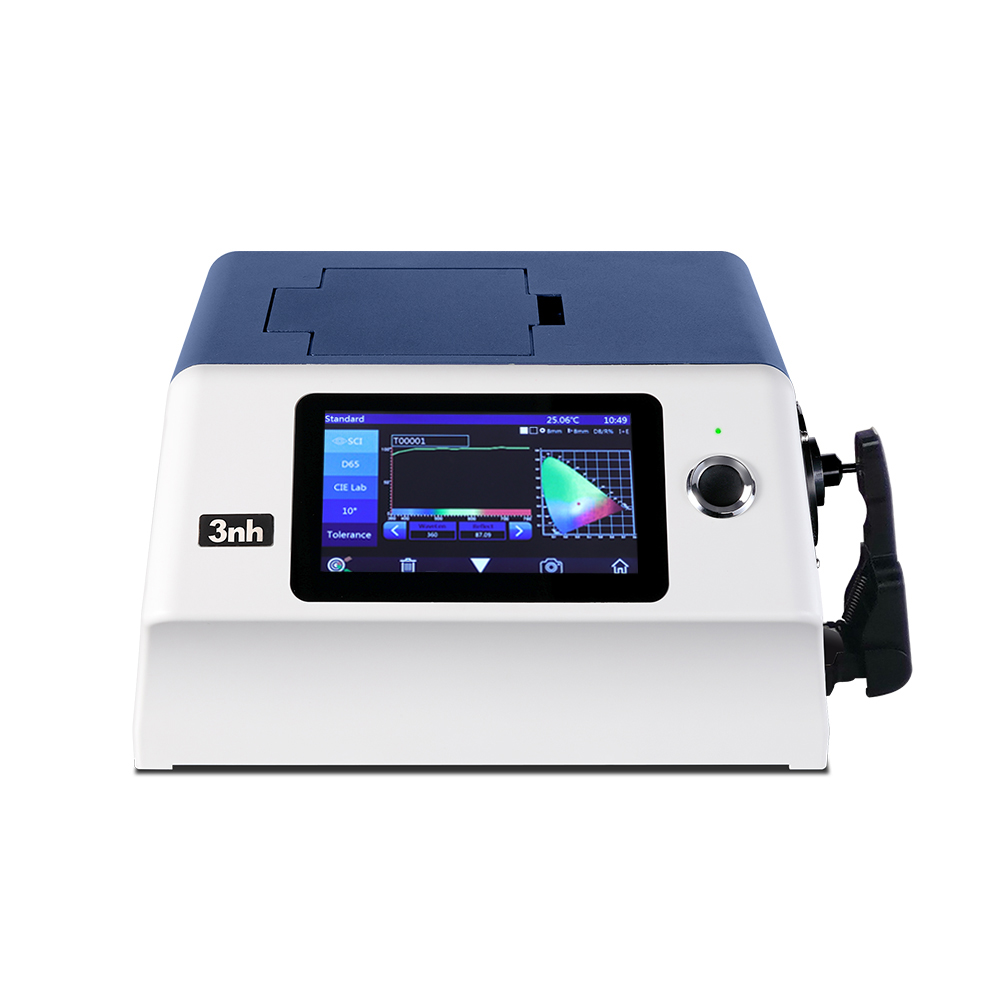
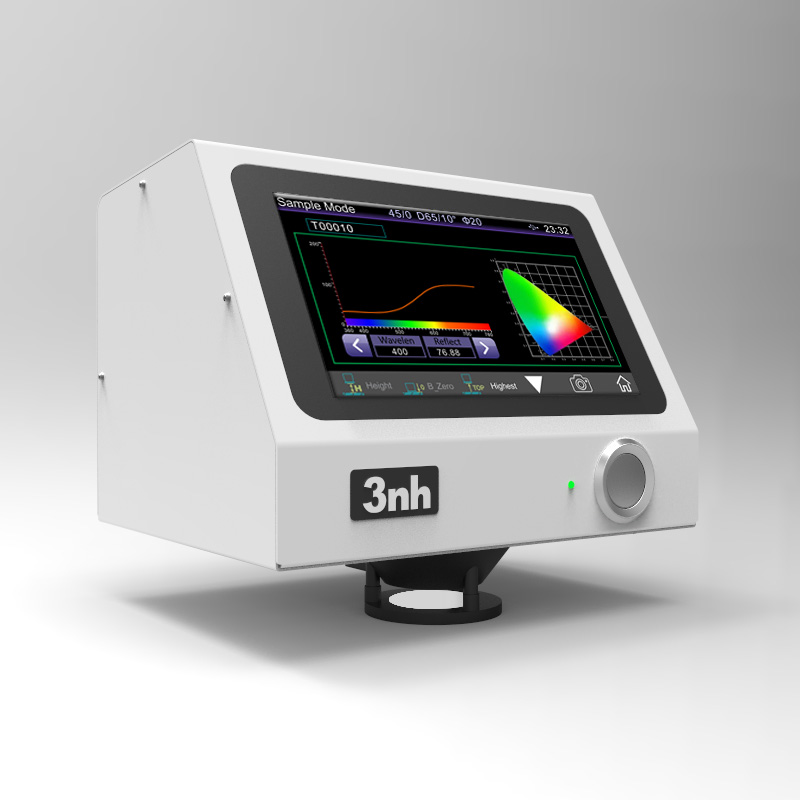
A spectrophotometer measures the full visible color spectrum (typically 400–700 nm). It offers significantly higher precision and enables detailed evaluations – including spectral curves, ΔE values, and color distance measurements. It is the preferred choice for demanding applications in labs or color development environments. learn more..
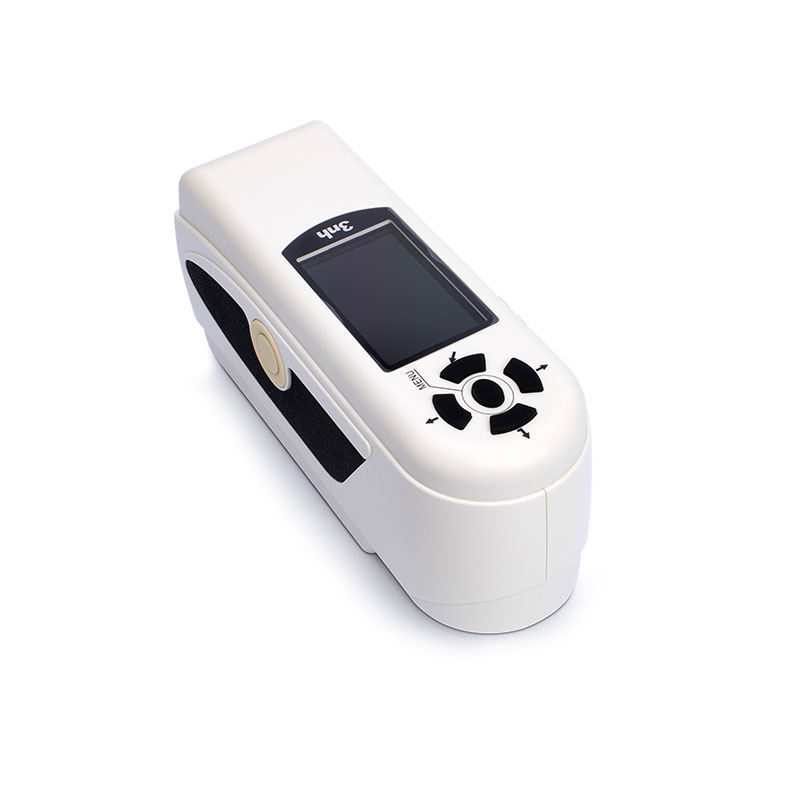
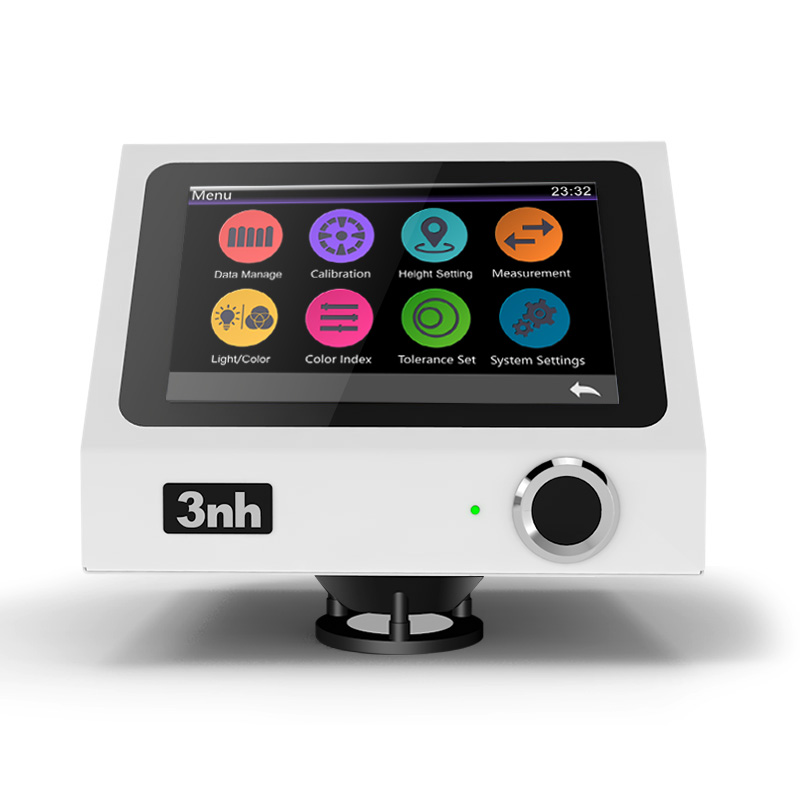
The core difference between a colorimeter and a spectrophotometer lies in their light measurement methods. A colorimeter measures color values based on the tristimulus method (e.g. LAB or RGB) and compares the sample to a reference. It's ideal for quick, repeatable measurements under consistent conditions – such as in production or incoming goods control.
Since part of the light will pass through the light-transmitting materials, the colorimeter is not suitable for color measurement of such kinds of materials; however, when place a pure color material with uniform texture under the light-transmitting material, we can measure the color difference between the standard and the sample.
Keep light booths clean, maintain the light source lamps, readjust the calibrated light source, and ensure that dust and fingerprints do not settle on the viewing area.
In the study of chemical reactions, calorimetry deals with changes in heat (energy and enthalpy). Spectrophotometry is the measurement of the light absorbance or light transmittance to determine the concentration or color of a solution. The first one monitors the thermal processes, whereas the second one addresses the aspects of light and color.
A colorimeter is sufficient for basic, routine color checks, while a spectrophotometer is needed for precise, comprehensive color analysis—here’s the clear breakdown:
Simple color matching needs: Ideal for checking if a sample matches a predefined standard (e.g., basic paint batches, plastic parts with solid colors).
Consistent lighting conditions: Works well when measurements are done under fixed, standard light sources (no need to account for varied light effects).
Cost-sensitive, high-volume tasks: Perfect for production lines requiring fast, low-cost color checks without advanced data analysis.
Precise color quantification: Necessary for measuring Lab values (lightness, red-green, yellow-blue axes) or detecting subtle color deviations (critical for automotive coatings, high-end textiles).
Complex color analysis: Required for metallic/pearlescent finishes, transparent materials, or samples with gloss/texture variations.
Compliance and documentation: Essential when precise color data (spectral curves) is needed for quality audits, regulatory compliance, or brand color standardization.
There are many factors that can influence accuracy such as surface roughness, temperature, substrate material, and calibration settings. For ferrous metals, external magnetic fields can also distort measurements. Proper calibration and preparation will help reduce the impact of these factors.
Yes. We can supply OEM and make customized design for any specific application. Our MOQ for OEM and ODM service is 5 pcs for one model. We can not only offer standard machines, but also customized machines. Don’t hesitate to tell us your requirement, we will try our best to meet your needs.