Call Now
Threenh Technology with excellent after sale service, Generally, Our warranty is one years(Additional support period of 3 years). Within the warranty period, we can offer technique support and parts to parts change, necessarily, our engineers may go to your place for better support. Our instrument have professional After-sales Dept. lf you have any technical problem or question with our goods welcome to contact us.
Replace when the total hours exceed rated life, decrease in brightness, or the color temperature shifts beyond tolerance.
At most of time, we have Spectrophotometer stock in the factory. Generally it is 1-3 working days after the payment confirmed. After shipped, we will email you the tracking number. You can check the shipping status of your order on the website. If you are in urgent need, we can consider making special arrangement for you.
Techniques of measuring color are visual color comparison, colorimetry (with colorimeters) and spectrophotometry (measuring spectral reflectance), and image analysis. Both techniques measure the reflection or absorption of light by materials and are commonly quantified. Therefore standardized in color spaces such as CIELAB or RGB.
When using a Pantone light box, each sample should be positioned flat and nearby the other samples, but not overlapping. Each one should also be in the middle of the light box, and the surfaces of the light box should be clean and non-reflective.
A coating thickness gauge measures film layers by identifying shifts in magnetic flux, eddy currents, or ultrasonic echoes as they penetrate the coating. The gauge calculates thickness based on the magnitude of these signals. This universally accepted approach results in quick, reliable, and non-invasive measurements.
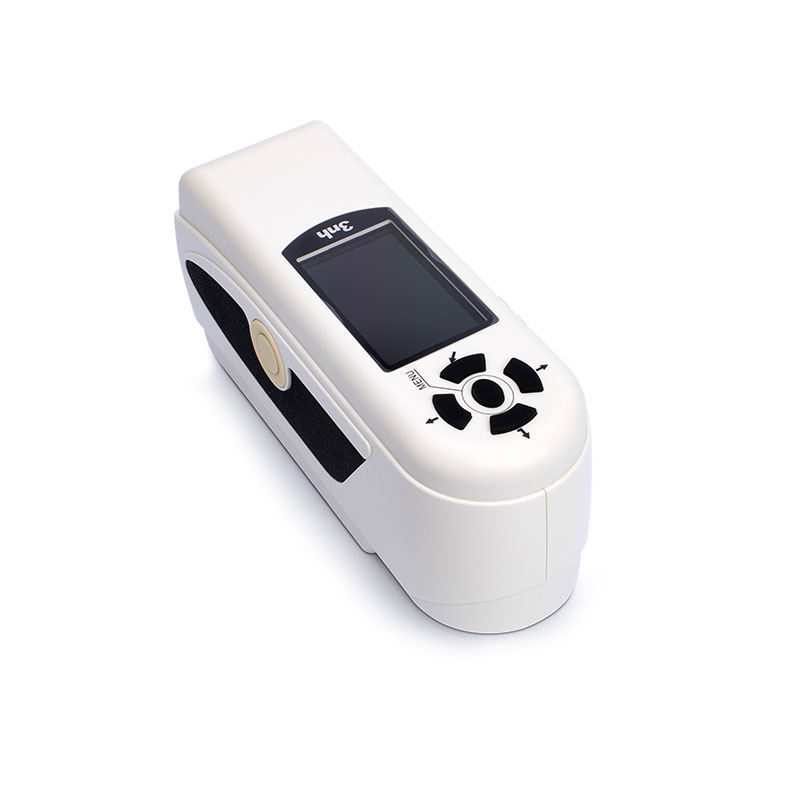
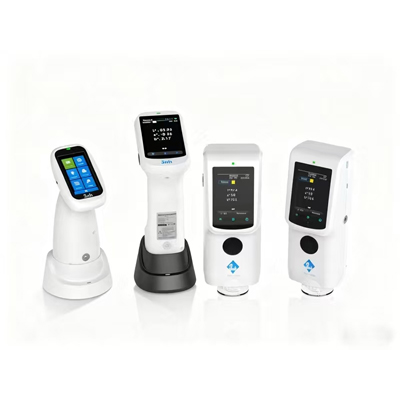
Threenh colorimters are used across various industries to measure, analyze, and control color accuracy and consistency:
Food and Beverages: Monitor color quality in food products to meet industry standards.
Plastics and Polymers: Ensure color uniformity in plastic components (e.g., casings, buttons, panels) during manufacturing.
Chemicals and Pharmaceuticals,Cosmetics: Industry-specific accessories to attain the highest safety protocols, Ensure uniform color in pharmaceutical products for quality and brand recognition;Develop and match colors for cosmetics (e.g., lipsticks, creams, powders) and ensure batch consistency.
Textiles and Apparel: Monitor color consistency in fabrics during dyeing, printing, or finishing processes; ensure color consistency in fabrics and garments.
Building materials, Paints, and Coatings: Detect color deviations in coatings on metal, wood, or plastic surfaces (e.g., automotive paints, furniture finishes). Maintain color accuracy in building materials, paints, and coatings.
Printing and Packaging: Validate color accuracy in printed materials (e.g., brochures, labels, packaging) against design proofs, maintain consistency across different printing technologies.
By addressing color-related quality control challenges, 3NH colorimeters help industries maintain brand consistency, meet regulatory standards, and enhance customer satisfaction.
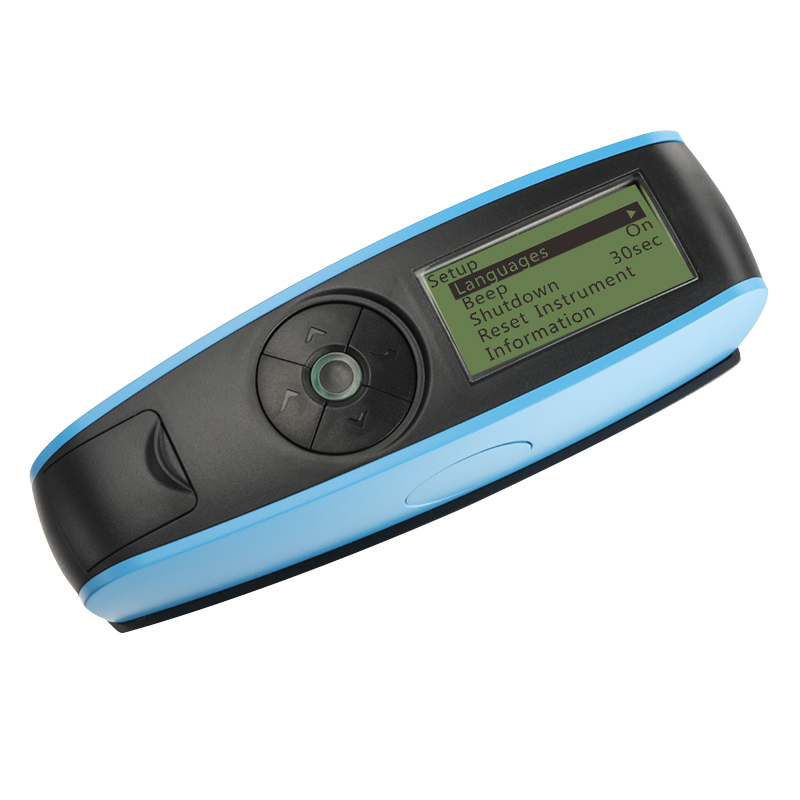
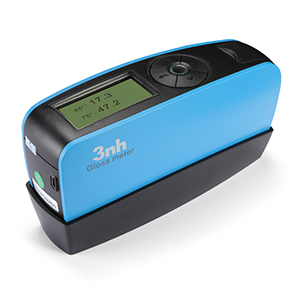
Gloss is a broad term to describe the reflectivity of a surface. Whereas high gloss is a specific term that has the highest reflectance (usually more than 70 GU). High gloss finishes are shiny, mirror-like, and exhibit more surface blemishes than lower gloss finishes.
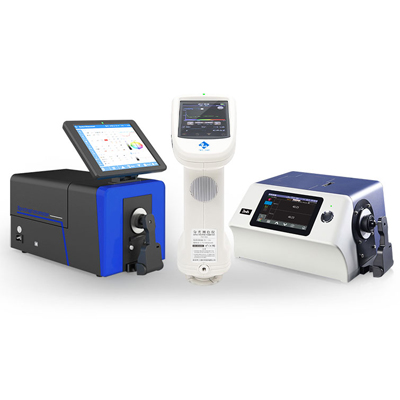
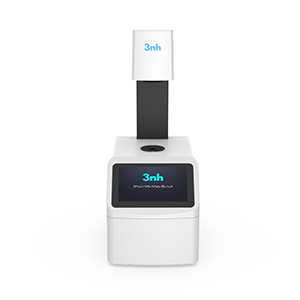
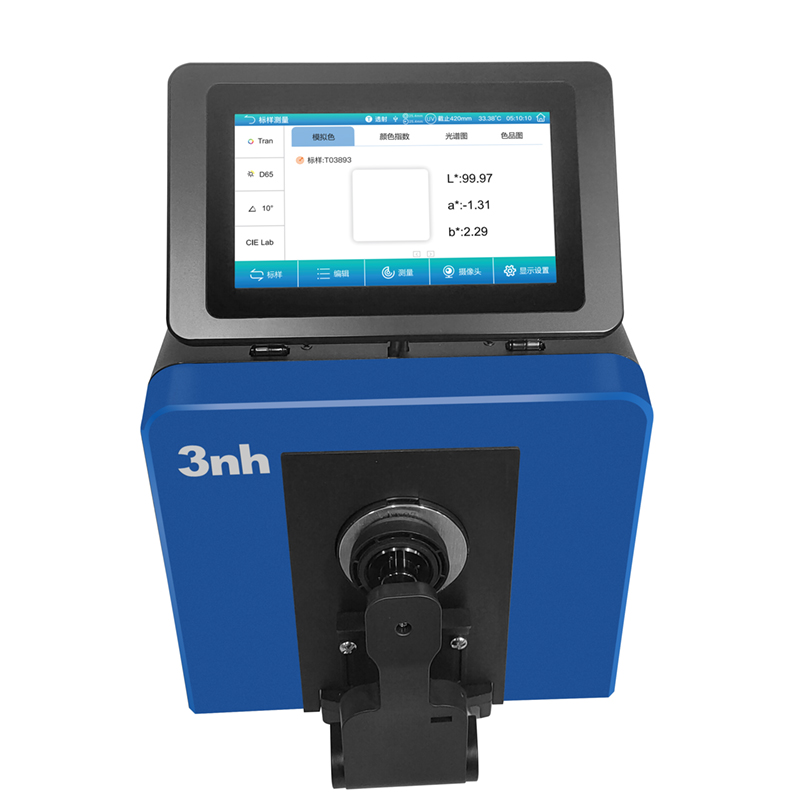
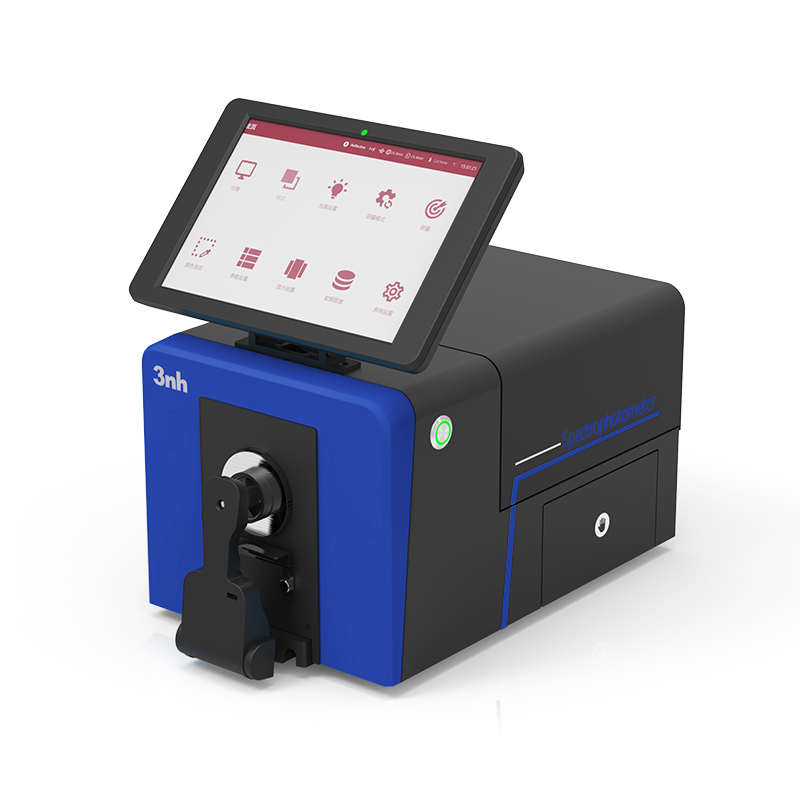
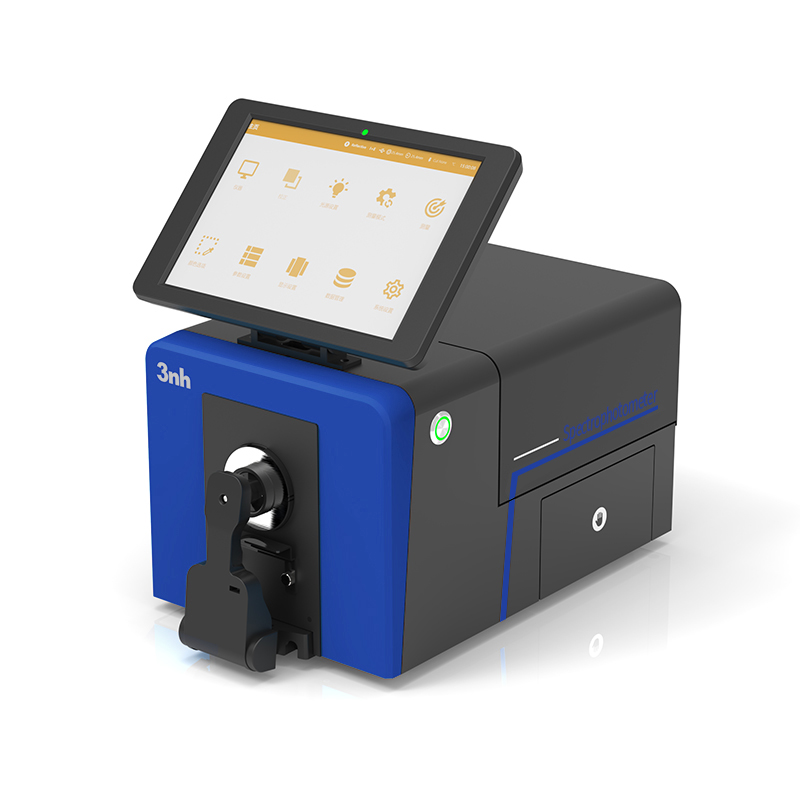
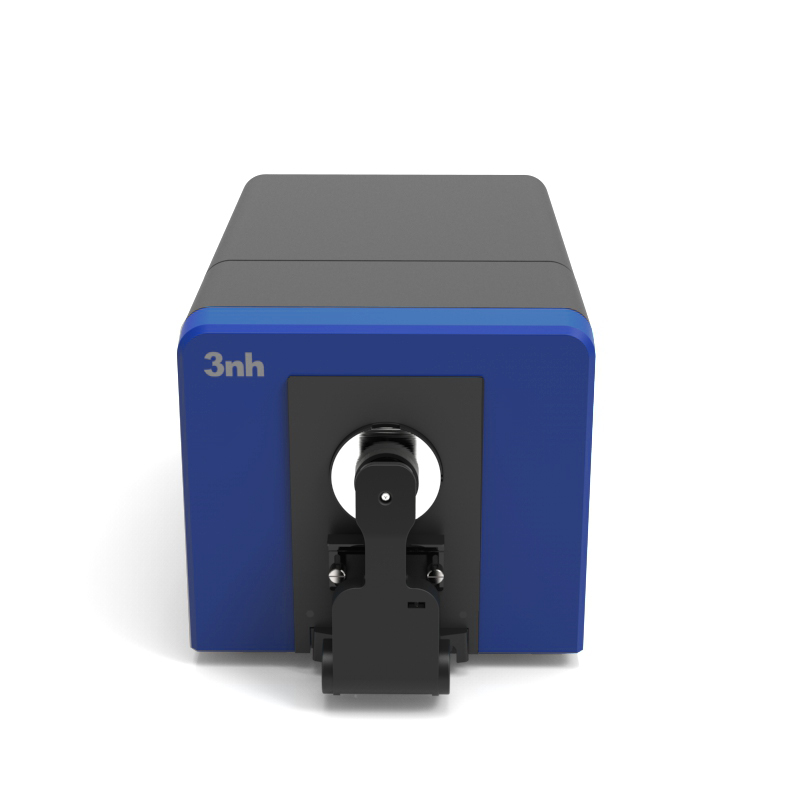
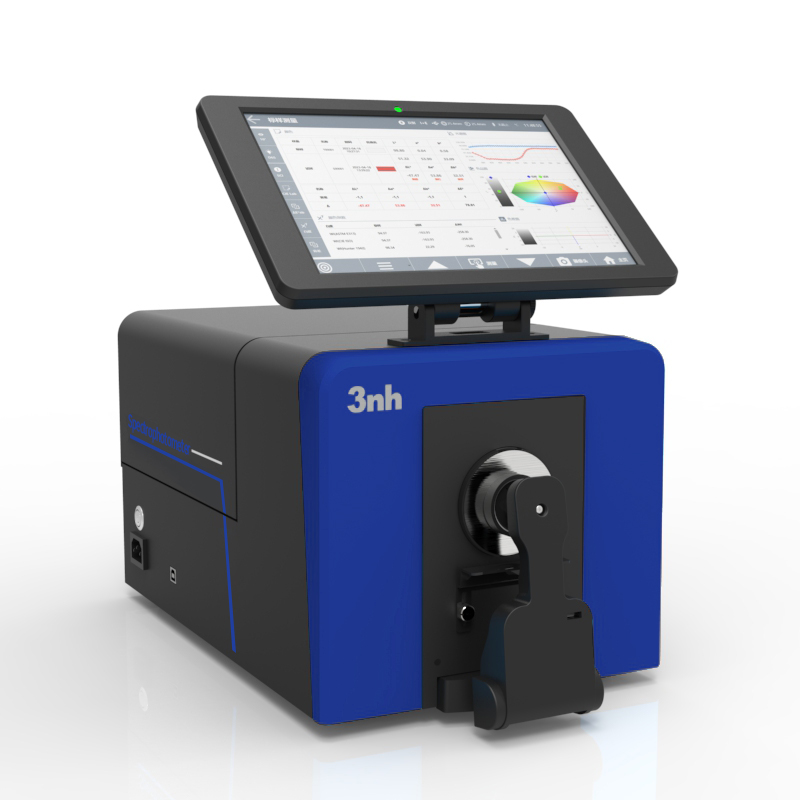
A spectrophotometer illuminates a sample with light or passes light through it and records the reflected or transmitted light over the wavelength range. It transforms this data into color coordinates (such as L*a*b*), allowing accurate color assessment as well as color comparison to standards.
Common sources like D65, TL84, and CWF mimic daylight, store, home, and fluorescent lighting, and are used to provide conditions for dependable color comparison.