icon

Call Now

86-755-26508999

icon

Email

tilo@3nh.com

icon

Time

8:00 AM - 5:30 PM (GMT+8)

Message

Consultation

About Us

3nh specializes in high-precision color measurement instruments, including colorimeters, spectrophotometers, and haze meters, serving industries like textiles, plastics, and coatings. With innovative R&D and global reach, we deliver reliable solutions for color management and quality control, trusted by customers in over 80 countries.

Products

Products Frequently Ask Questions

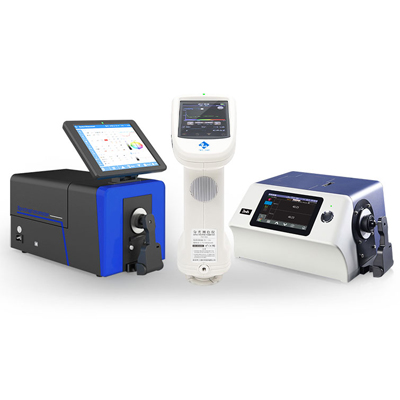
 A spectrophotometer illuminates a sample with light or passes light through it and records the reflected or transmitted light over the wavelength range. It transforms this data into color coordinates (such as L*a*b*), allowing accurate color assessment as well as color comparison to standards.


Colorimeter,Gloss meter,Coating thickness meter,window tint meter,UV meter, Leeb hardness tester, Ultrasonic thickness gauge. Threenh Technology company adheres to independent design, research and development, production and sales of various measuring instruments. 

At most of time, we have stock in the factory. Generally it is 1-3 working days after the payment confirmed. After shipped, we will email you the tracking number. You can check the shipping status of your order on the website. If you are in urgent need, we can consider making special arrangement for you.

Threenh Technology colorimeter is shipped with an operating instructions and video of English version.If you need an electronic version of the user manual, you can download it from our website download center

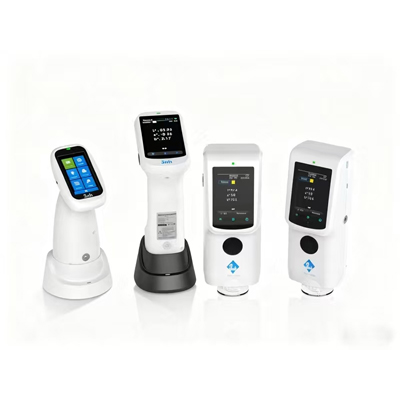
A spectrophotometer and colorimeter are certain instruments used by scientists to measure color by quantifying reflected or transmitted light. The results are presented in color spaces, such as L*a*b*, RGB, or XYZ. This enables the accuracy of comparison and tracking of the changes in color in chemical or material research.

Inconsistent results from a haze meter can stem from issues like calibration, dusty haze meter optics, inadequate power supply, and improper measurement technique. If you have any questions, you can contact our Haze measurement experts


In a Pantone light box, the tubes last around 2000 to 3000 hours, after which the brightness and color should be assessed for replacement.

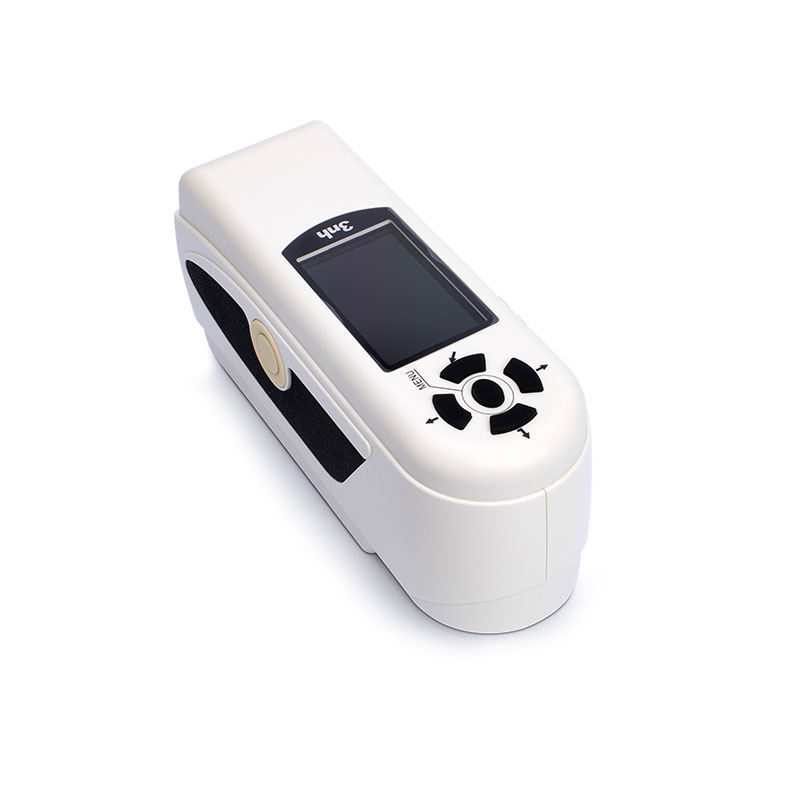
A colorimeter is sufficient when measuring similar materials or batches with stable conditions. Suitable for fast, low-cost color checks where high precision is not required. Quick quality control in plastics, paint batch consistency, food color grading (e.g., fruit ripeness), and basic printing checks.

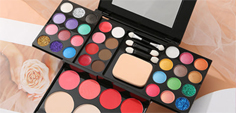
A spectrophotometer is recommended when you need professional, maximum color accuracy or when testing materials with variable surfaces – such as glossy or textured samples. Like textile dye formulation, cosmetic shade matching, medical device color calibration, high-end printing (e.g., packaging for luxury goods), and material spectral research. learn more Understanding Spectrophotometric Parameter Measurement


A colorimeter is sufficient for basic, routine color checks, while a spectrophotometer is needed for precise, comprehensive color analysis—here’s the clear breakdown:

When a Colorimeter is Sufficient

  1. Simple color matching needs: Ideal for checking if a sample matches a predefined standard (e.g., basic paint batches, plastic parts with solid colors).

  2. Consistent lighting conditions: Works well when measurements are done under fixed, standard light sources (no need to account for varied light effects).

  3. Cost-sensitive, high-volume tasks: Perfect for production lines requiring fast, low-cost color checks without advanced data analysis.

When to Use a Spectrophotometer

  1. Precise color quantification: Necessary for measuring Lab values (lightness, red-green, yellow-blue axes) or detecting subtle color deviations (critical for automotive coatings, high-end textiles).

  2. Complex color analysis: Required for metallic/pearlescent finishes, transparent materials, or samples with gloss/texture variations.

  3. Compliance and documentation: Essential when precise color data (spectral curves) is needed for quality audits, regulatory compliance, or brand color standardization.


To keep a neutral background, helping to reduce color distortion and bias.